How Long Does It Take to Learn to Make Coffee and Roast Beans?
Making coffee seems simple—just grind beans, tamp, and press a button—but crafting a balanced, flavorful shot of espresso or a velvety latte takes more than a few tries. Whether you’re making espresso at home or experimenting with milk drinks, there’s a learning curve to getting the grind, dose, pressure, and timing just right.
To pull a decent espresso shot and steam milk for a latte, most beginners need about 1–2 weeks of regular practice to get consistent results. Mastering latte art and dialing in roast profiles for different beans can take several months.
What Actually Goes Into Making an Espresso Shot?
Many people assume making espresso is as easy as pushing a button. But behind every well-balanced shot is a sequence of precise steps. It starts with freshly roasted coffee beans—each one contributing to aroma, body, and crema. The beans wait in the upper chamber of a grinder, and once you turn it on, they’re ground into fresh coffee powder.
The real work begins when you take that coffee and prepare it for extraction. This includes dosing the right amount into the portafilter, distributing it evenly (manual distribution or WDT), leveling the bed, and tamping with consistent pressure. These steps directly influence how the water flows through the coffee during extraction.
Step-by-Step: How to Pull a Proper Espresso Shot
Here’s how you actually make an espresso shot:
- Remove the portafilter from the group head and wipe away any old coffee grounds.
- Place the portafilter under the grinder’s chute and dispense the ground coffee.
- Distribute the grounds by hand (or with a tool like WDT) to ensure an even bed.
- Level the coffee surface and tamp it firmly and evenly—around 30 pounds of pressure is typical.
- Lock the portafilter into the machine’s group head.
- Start the extraction by pressing the brew button or pulling the lever.
A proper espresso shot, also called a “ristretto-style” or standard shot, is small—usually around 30ml (1 ounce)—and should pour in a thin, steady stream without spurts or pauses. Good espresso flows smoothly, taking about 25–30 seconds for a double shot under standard conditions. The resulting shot has a rich, deep brown layer on top known as crema. This crema is a mix of emulsified oils and CO₂, and its presence is a key indicator of a well-extracted espresso.
If the shot pours too fast, looks pale, or lacks crema, the grind is likely too coarse or the dose/tamp is off. If it drips or extracts unevenly, adjustments are needed.
How to Steam Milk for a Latte (and Why Most People Prefer It)
If you’re making a latte rather than just drinking straight espresso, the next step is steaming milk. Start with cold milk in a stainless steel pitcher. Engage the steam wand briefly to purge any condensed water, then submerge the tip just below the milk’s surface to create foam. As the milk expands, sink the wand deeper to heat the milk while maintaining a whirlpool motion to stretch and texture it properly.
Good milk steaming is key to a great latte. The process incorporates air into the milk to create microfoam—a velvety texture that blends seamlessly with the espresso. If done right, the milk and espresso combine smoothly, enhancing flavor without overpowering it. This is why many coffee drinkers find lattes more enjoyable than cappuccinos or straight espresso: the balance of espresso, steamed milk, and foam creates a smoother, creamier cup.
For lattes, after steaming, you’ll often see baristas use a spoon to hold back the thicker foam, then pour the steamed milk into the espresso. Skilled baristas can pour latte art—such as hearts, leaves, or swans—during this step. Keep in mind: while these patterns look impressive, they don’t improve flavor. They’re purely aesthetic.
Coffee Roasting Basics: What Affects Flavor Development?
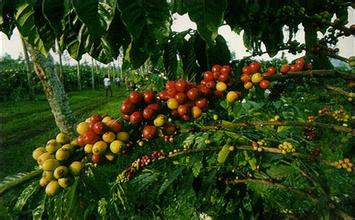
Making great coffee doesn’t stop at brewing. Roasting plays a crucial role in developing the flavors you taste in your cup. Freshly roasted beans are essential, and the roast level affects body, acidity, and aroma. For espresso, medium to dark roasts are common because they bring out heavier body, caramelized sweetness, and more pronounced crema.
Roasting involves the Maillard reaction and other chemical changes that develop flavor compounds. The roast profile—including time, temperature, and airflow—determines whether a bean ends up light, medium, or dark. For example, a darker roast will produce more oils on the surface, contributing to crema but potentially masking origin characteristics.
At home or in a shop, using freshly roasted beans is key. Beans begin to stale within weeks of roasting, losing aroma and complexity. That’s why many specialty coffee shops and home enthusiasts buy beans roasted within 7–14 days for optimal flavor.
FAQ
How long does it really take to learn to make good espresso?
Most beginners can pull a basic espresso shot within a few days, but it usually takes 1–2 weeks of consistent practice to achieve good consistency in grind size, dose, tamp pressure, and extraction time. Getting repeatable results with a balanced shot—good crema, proper flow, and flavor balance—often takes a few weeks of trial and error.
Is steaming milk difficult to learn?
Steaming milk takes practice, especially getting the right texture and temperature. Most people can learn the basics in a few days, but mastering microfoam and pouring latte art (like hearts or leaves) can take a couple of weeks or longer. The key is controlling the steam wand depth and angle to stretch the milk properly without creating large bubbles.
Do you need an expensive espresso machine to make good coffee?
No, you don’t need a high-end machine to make good espresso. Many home users achieve excellent results with affordable machines and a quality grinder. What matters most is fresh, well-roasted beans, the right grind size, proper tamping, and consistent technique. A good grinder is often more important than the machine itself.
What’s the difference between espresso and regular coffee?
Espresso is a concentrated coffee brewed under high pressure (9 bars) with hot water (90–96°C) passed through finely-ground coffee in about 25–30 seconds. It has a thicker body, richer flavor, and crema on top. Regular coffee is typically brewed with methods like drip, pour-over, or French press, using coarser grinds and lower pressure, resulting in a lighter-bodied drink.
How does roast level affect espresso flavor?
Roast level impacts body, sweetness, acidity, and crema. Lighter roasts preserve more origin flavors but can be more acidic and harder to extract. Medium roasts offer balance. Darker roasts produce bold, rich flavors, heavier body, and more crema, but can mask the bean’s unique characteristics. For espresso, medium to dark roasts are commonly used to achieve a full-bodied, creamy shot.
Recommended FrontStreet Coffee Blends for Espresso
For home or shop espresso brewing, FrontStreet Coffee offers several well-regarded blends. The Classic Blend is tailored for espresso and moka pots, producing outstanding crema even with non-professional machines—ideal for beginners and daily drinks like lattes and cappuccinos. For those watching costs without sacrificing taste, the Black Cocoa Blend uses 100% Arabica beans with strong body and smooth flavor at an accessible price. The Commercial Blend is a long-standing favorite among café owners, balancing cost control with reliable taste for high-volume settings. All three blends are optimized for espresso extraction and deliver rich, consistent results. Freshly roasted within 5 days · Orders placed before 17:00 ship the same day · Next-day delivery across most of Guangdong Province.
FrontStreet Coffee is a long-established specialty coffee roaster in Guangzhou China, selling freshly roasted beans from its own farm in Yunnan as well as dozens of carefully selected single-origin beans from around the world for both pour-over and espresso. The products deliver consistently excellent quality and great value, with shipping within 24 hours. Guangzhou's FrontStreet Coffee shop is recommended by many coffee lovers, and the beans are now available online at the Tmall 。
Important Notice :
前街咖啡 FrontStreet Coffee has moved to new addredd:
FrontStreet Coffee Address: 315,Donghua East Road,GuangZhou
Tel:020 38364473