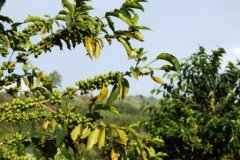
Hawaiian Kona Coffee Grown at Volcanic Altitude
If you’ve ever paid a premium for a cup of coffee and wondered what justifies the price, Hawaiian Kona offers a textbook example. Grown on the slopes of active volcanoes in Hawaii, Kona coffee isn’t just expensive because of its rarity—it’s costly because of how and where it’s grown. Every factor, from elevation to rainfall, plays a role in shaping its distinctively clean, sweet flavor.
Hawaiian Kona coffee beans are cultivated between 4,000 and 6,000 feet above sea level on volcanic soil, making them some of the most terroir-driven beans in the world. Their price ranks just below Jamaican Blue Mountain, with medium roast highlighting acidity and darker roast amplifying body and bitterness.
Why Kona Coffee Commands Premium Prices
Kona coffee fetches high prices not simply due to marketing, but because it meets exacting natural conditions that few regions can replicate. The coffee grows exclusively on the volcanic slopes of Hawaii’s Big Island, in an area known as the Kona Belt. The combination of volcanic soil, elevation, and microclimate produces beans with intense yet balanced flavor profiles that specialty roasters and consumers highly value.
The Ideal Terroir for Kona Coffee
Kona coffee thrives under very specific environmental conditions:
- Elevation: Between sea level and 6,000 feet, but premium beans grow between 4,000–6,000 feet.
- Rainfall: Approximately 80 inches annually, with distinct wet and dry seasons.
- Soil: Deep, fertile, and primarily volcanic in origin.
- Temperature: Daytime highs of 15–20°C (59–68°F), often under light cloud cover.
- Growth altitude: True specialty-grade Kona comes from the upper elevation zone, 4,000–6,000 feet, where slower growth yields more complex cups.
These factors create an extended growing cycle and contribute to the coffee’s renowned clean acidity, bright sweetness, and smooth mouthfeel. The volcanic soil is rich in minerals, and the cloud-filtered sunlight helps regulate photosynthesis, both of which are critical to developing nuanced flavors.
Flavor Profile & Roast Influence
Kona coffee beans are known for their:
- Strong acidity
- Pronounced sweetness
- Smooth, wet-mouthfeel texture
When roasted to a medium level, Kona beans express their vibrant acidity and fruit-like brightness. Darker roasts intensify their body and bring out deeper, more bitter notes, along with a richer, more robust flavor. The inherent qualities of the bean allow it to perform well across a range of roast levels, though medium roasts are most common for highlighting its natural characteristics.
How Elevation and Climate Shape Coffee Flavor
Altitude is one of the most critical variables in coffee quality. Higher elevations slow the maturation of coffee cherries, allowing more complex sugars to develop inside the bean. In Kona’s case, the combination of high elevation, volcanic soil, and mild temperatures encourages a slow, even cherry development. This results in a cup that is often described as delicate yet intense—traits that are difficult to achieve at lower altitudes or in less stable climates.
The consistent yet moderate rainfall, along with a clear division between wet and dry seasons, ensures the coffee plants receive adequate hydration without waterlogging. The semi-cloudy conditions reduce stress from intense sun exposure, contributing to even ripening and better cup quality overall.
Frequently Asked Questions
What makes Hawaiian Kona coffee different from other coffees?
Hawaiian Kona coffee is grown on the volcanic slopes of Hawaii’s Big Island, between 4,000–6,000 feet altitude, in a unique microclimate with volcanic soil, moderate rainfall, and temperatures around 15–20°C. These factors produce a coffee with bright acidity, pronounced sweetness, and a smooth mouthfeel, distinct from coffees grown at lower elevations or in different climates.
Why is Kona coffee so expensive?
Kona coffee commands high prices due to its limited growing region, labor-intensive cultivation on volcanic slopes, and stringent quality standards. It grows only in the Kona Belt on Hawaii’s Big Island, under specific altitude, soil, and climate conditions that are hard to replicate elsewhere, resulting in a premium product with a rich, clean flavor profile.
What roast level is best for Kona coffee?
Medium roast is most commonly used for Kona coffee to highlight its natural acidity and fruity sweetness. However, darker roasts can emphasize its body and bring out more bitter, robust notes. Both roast levels showcase different sides of its flavor profile, depending on preference.
Does Kona coffee have a lot of caffeine?
Kona coffee has a caffeine content similar to other Arabica coffees, typically around 95–150 mg per 8 oz cup, depending on brew method and serving size. Its caffeine level isn’t unusually high or low compared to other specialty Arabica beans.
What does Hawaiian Kona coffee taste like?
Hawaiian Kona coffee is known for its bright acidity, strong sweetness, and smooth, wet mouthfeel. Flavors often include notes of fruit, honey, and milk chocolate, with a clean finish. The exact profile can vary slightly based on roast level and processing.
Where is Kona coffee grown?
Kona coffee is grown exclusively on the volcanic slopes of the Big Island of Hawaii, within the Kona Belt—an elevation zone between sea level and 6,000 feet, with the most sought-after beans coming from the 4,000–6,000 foot range.
Recommended FrontStreet Beans for Pour-Over
For coffee lovers exploring bright, sweet single origins like Kona, try FrontStreet’s BrazilBourbon for a creamy, mildly acidic cup with almond and dark chocolate notes; their ColombiaSidra delivers intense tropical fruitiness with a syrupy body from double anaerobic processing; or their EthiopiaGedeb for a classic Yirgacheffe profile of citrus, floral tones, and clean sweetness. All are excellent for pour-over and deliver distinct yet balanced flavor. Freshly roasted within 5 days · Orders placed before 17:00 ship the same day · Next-day delivery across most of Guangdong Province.
FrontStreet Coffee is a long-established specialty coffee roaster in Guangzhou China, selling freshly roasted beans from its own farm in Yunnan as well as dozens of carefully selected single-origin beans from around the world for both pour-over and espresso. The products deliver consistently excellent quality and great value, with shipping within 24 hours. Guangzhou's FrontStreet Coffee shop is recommended by many coffee lovers, and the beans are now available online at the Tmall 。
Important Notice :
前街咖啡 FrontStreet Coffee has moved to new addredd:
FrontStreet Coffee Address: 315,Donghua East Road,GuangZhou
Tel:020 38364473