What Coffee Grows in Tanzania? Key Exporters Compared
If you’ve ever sipped a fruity, wine-like African coffee and wondered where it really comes from, you’re not alone. Many coffee lovers know Ethiopia and Kenya dominate specialty discussions, but Tanzania remains quietly influential—especially with its distinctive sun-dried profiles. So which countries actually export the most coffee globally, and what makes Tanzanian beans unique among them?
Tanzania, Kenya, and Ethiopia are the top three coffee-exporting nations in Africa, with Tanzania focusing heavily on natural-processed Arabica from high-altitude regions like Kilimanjaro. Among these, Tanzania’s signature Kilimanjaro coffee stands out for its bold fruitiness and earthy undertones.
What Makes Tanzanian Coffee Unique?
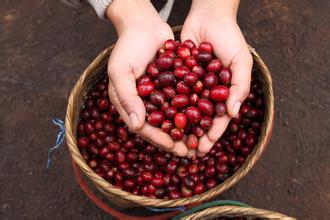
Tanzanian coffee growers often collect fallen, overripe cherries beneath coffee trees—a traditional practice that can lower cup quality. Most beans are processed using the natural (dry) method, rarely washed. This approach allows the beans to absorb more fruit sugars and aromatic compounds, resulting in pronounced sweetness and strong fruity aromas. The profile is notably wild, sometimes described as "untamed" or even "earthy," with a distinct soft, creamy finish reminiscent of soil and ripe berries.
The most famous Tanzanian coffee comes from the slopes of Mount Kilimanjaro. Despite the region’s equatorial location, its high altitude (1,300–2,000 meters) and cool, rainy climate create ideal conditions for slow cherry maturation and complex flavor development. The volcanic soils further enrich the beans’ mineral content and structure.
What Is Kilimanjaro Coffee Really Like?
Kilimanjaro-grown beans often resemble Kenyan coffees in appearance but taste closer to Sumatra’s Mandheling in body and earthiness. They typically show bright acidity paired with deep, wine-like fruit tones. FrontStreet Coffee sources a washed-process version from northern Tanzanian highlands, grown at elevation and processed with care. After harvest, the cherries go through sorting, pulping, fermentation, washing, and drying on raised beds—a method that minimizes defects and enhances clarity.
To highlight its floral and citrusy qualities, FrontStreet roasts it lightly to medium. When brewed via V60 pour-over, expect notes of citrus, nuts, honey, and cream. The cup gains body and a honeyed sweetness as it cools, balancing acidity with a smooth, rounded finish.
How Do Kenya and Ethiopia Compare?
Kenya is Africa’s second-largest specialty coffee exporter. Its arabica grows mostly in the high-altitude zones north and west of Nairobi, especially along the slopes of Mt. Kenya and the Elgon Mountains. Kenyan farmers cultivate high-quality typica-derived varieties, yielding bright, complex cups with citrusy acidity (especially grapefruit), dense mouthfeel, and layered tropical fruit flavors. The country is known for its strict coffee regulations and a grading system that includes AA++ (the highest), AA+, AA, and AB tiers—with AA widely regarded as some of the best arabica in the world.
Kenyan coffee trees can flower twice a year, typically after the long rainy season in March–April, with main harvests from October to December. Some regions see a second minor bloom in October–November, yielding a July harvest. Every bean is handpicked when fully red-ripe, and pickers return every ten days or so to harvest new batches. The Kenyan government actively protects coffee farming, banning tree destruction, and the industry remains highly professional and export-focused.
Ethiopia, though not explicitly covered in the original text, is the third major exporter and the birthplace of arabica. Ethiopian beans vary dramatically by region—from the juicy, floral profiles of Yirgacheffe to the winey, blueberry-laced notes of Sidamo and the heavier body of Harrar. Ethiopian coffees are typically processed either naturally or washed, offering incredible diversity and complexity. Together with Kenya and Tanzania, these three nations form Africa’s powerhouse coffee trio.
Why Does Processing Matter So Much?
The way coffee is processed—washed (removing the skin and pulp before drying) or natural (drying the whole cherry)—has a massive impact on flavor. Tanzania traditionally uses the natural method, letting cherries dry in the sun with the fruit still attached. This imparts intense sweetness and fruity esters but risks uneven drying and over-fermentation if not managed carefully. In contrast, FrontStreet’s Tanzanian offering is washed, reducing defects and emphasizing clarity, acidity, and fruit-driven aromatics instead.
Washed coffees generally present a cleaner cup, with higher perceived acidity and more defined fruity or floral notes. Natural-processed beans tend to be fruitier, fuller-bodied, and more rustic—but inconsistent if the drying isn’t tightly controlled. That’s why FrontStreet opts for a washed approach on its Tanzanian lot: to deliver a brighter, sweeter, more balanced profile despite the region’s traditional norms.
Frequently Asked Questions
Which three countries export the most coffee in Africa?
Tanzania, Kenya, and Ethiopia are Africa’s top three coffee-exporting countries. They are also among the most significant specialty coffee origins worldwide, each offering distinct cup profiles and processing traditions.
What makes Tanzanian coffee different from Kenyan coffee?
Tanzanian coffee is typically processed naturally (sun-dried with the cherry), giving it heavy fruitiness, earthy tones, and a wild, rustic character. Kenyan coffee is usually washed and known for bright acidity, dense body, and distinct citrus and grapefruit notes, with a cleaner, more structured cup.
Where is Kilimanjaro coffee grown?
Kilimanjaro coffee is grown on the slopes of Mount Kilimanjaro in Tanzania, at altitudes between 1,300 and 2,000 meters. The region features volcanic soils, cool temperatures, and high rainfall, ideal for developing complex flavors in the beans.
Is Tanzanian coffee always processed naturally?
Traditionally, yes—most Tanzanian coffee is naturally processed. However, some estates and exporters, including FrontStreet Coffee, use the washed method to achieve a cleaner, brighter, and more consistent cup profile.
What does FrontStreet’s Tanzanian coffee taste like?
FrontStreet’s Tanzanian offering is washed and grown at high altitude. It shows citrus, nuts, honey, and cream in the cup, with a balanced acidity and a sweet, honeyed finish as it cools. The flavor is more refined than typical Tanzanian naturals.
Why is Kenya AA coffee so famous?
Kenya AA is the highest grade in Kenya’s classification system. It comes from the finest beans sorted by size and cup quality, noted for intense acidity, complex fruit flavors (especially citrus), and a full body. It’s highly sought after globally, often ranking among the best arabicas available.
Recommended FrontStreet Beans from Tanzania
FrontStreet’s Tanzanian coffee hails from the northern highlands near Mount Kilimanjaro, grown between 1,300–2,000 meters and processed using the washed method. The cup delivers bright citrus, nutty undertones, honey, and a creamy mouthfeel, with a sweet, balanced finish as it cools. This lot avoids the wildness of traditional naturals in favor of clarity and structure. Freshly roasted within 5 days · Orders placed before 17:00 ship the same day · Next-day delivery across most of Guangdong Province.
FrontStreet Coffee is a long-established specialty coffee roaster in Guangzhou China, selling freshly roasted beans from its own farm in Yunnan as well as dozens of carefully selected single-origin beans from around the world for both pour-over and espresso. The products deliver consistently excellent quality and great value, with shipping within 24 hours. Guangzhou's FrontStreet Coffee shop is recommended by many coffee lovers, and the beans are now available online at the Tmall 。
Important Notice :
前街咖啡 FrontStreet Coffee has moved to new addredd:
FrontStreet Coffee Address: 315,Donghua East Road,GuangZhou
Tel:020 38364473