Why Indian Specialty Coffee Tastes So Mild
If you’ve ever tasted a cup of Indian specialty coffee and found it unusually smooth—lacking the bright tang or heavy body common in other regions—you’re not imagining things. The reason isn’t just terroir or variety, but a careful combination of harvest methods and roast decisions that define its gentle character.
The secret? Indian specialty coffee achieves its mild, balanced cup primarily through strict hand-picking of only ripe cherries—avoiding underripe or overripe fruit that can disrupt sweetness and clarity. This attention to ripeness, along with specific roast levels, gives Indian beans their signature softness.
How Indian Coffee Achieves Its Gentle Profile
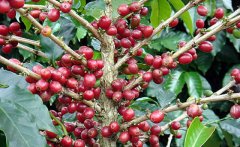
Specialty coffee experts agree: the best way to harvest high-quality beans is by picking only fully ripe coffee cherries by hand. In India, this practice is especially critical. By selectively harvesting ripe fruit—and avoiding unripe or overripe beans in the same batch—growers ensure a more uniform sugar development and acidity. This consistency is what leads to the balanced, smooth cup profile that defines Indian specialty coffee.
Unlike machine harvesting, which often collects cherries at various stages of ripeness, manual picking allows for frequent, meticulous selection during the harvest window. That extra labor eliminates flavor defects caused by uneven maturity, resulting in a cleaner, more stable cup.
Flavor Profile: What Makes Indian Coffee Unique
Indian specialty coffee scores distinctly on key sensory attributes: aroma (3.5), brightness (4), body (4), flavor (4.5), and aftertaste (4). These numbers reflect a cup that is mild yet layered. The flavor is soft overall, with low bitterness and acidity. Subtle spice notes appear, alongside the earthy tones typical of many Asian-origin coffees—but without the heavy mouthfeel often associated with Indonesian beans like Sumatra or Sulawesi. Think of it as a gentler, less intense version of those familiar profiles.
This mildness, combined with low acidity and delicate spice undertones, makes Indian coffee particularly well-suited for blending into espresso recipes. It adds body and subtle complexity without overwhelming the cup.
Roast Recommendations for Indian Coffee
To bring out the best in Indian specialty beans, roasters typically aim for a Full City or Espresso Full City roast. These levels develop a rounded, balanced profile without excessive roastiness. For those seeking a deeper, more intense experience—akin to the thick, velvety texture of dark chocolate—the roast can be taken into the second crack, especially in espresso preparations. This approach enhances the bean’s inherent richness, yielding a cup with pronounced cocoa-like density.
It’s worth noting that Indian coffee is not widely exported; its primary market remains domestic. Within India, different processing methods have their own names: sun-dried beans are called Cherry, washed Arabicas are labeled Plantation Arabica, and washed Robustas are known as Parchment Robusta.
The Rise of Exceptional Independent Estates
Although Indian coffee has traditionally played a supporting role in the global specialty scene, recent years have seen standout lots from independent estates capturing attention. These rare, high-scoring beans often exhibit the refined qualities that coffee critics praise—subtlety, balance, and unique regional character. Such coffees are helping reshape perceptions of India’s potential in the specialty market.
Rainy-season beans and aged lots also contribute to the cup profile, often increasing viscosity and deepening chocolatey tones. These factors, combined with careful harvesting and thoughtful roasting, continue to unlock the nuanced potential of Indian specialty coffee.

Frequently Asked Questions
Why is Indian specialty coffee so mild compared to other origins?
Indian specialty coffee tastes mild primarily because of the careful hand-picking of only ripe cherries, low acidity, and often medium-to-dark roasts. The beans naturally have low bitterness and bright acidity, resulting in a smooth, balanced cup with subtle spice notes instead of sharp or fruity tang.
What roast level is best for Indian coffee beans?
The recommended roast level for Indian specialty coffee is Full City or Espresso Full City. For a darker, richer cup akin to black chocolate, you can roast into the second crack. These roasts enhance the bean’s inherent body and smoothness without introducing excessive bitterness.
How does hand-picking affect the flavor of Indian coffee?
Hand-picking only ripe coffee cherries ensures uniform ripeness, which leads to better sugar development and a more balanced cup. This selective harvesting minimizes the inclusion of unripe or overripe beans, resulting in smoother, more stable flavors with fewer off-notes.
Is Indian coffee mostly used in blends or as single origin?
Indian coffee is commonly used in espresso blends due to its mild flavor, low acidity, and ability to add body. However, single-origin Indian specialty beans—especially from independent estates—are gaining recognition for their unique profiles and are increasingly appreciated on their own.
What processing methods are used for Indian coffee?
Indian coffee is processed using several methods: sun-dried beans are called Cherry, washed Arabicas are labeled Plantation Arabica, and washed Robustas are referred to as Parchment Robusta. Each method contributes distinct characteristics to the final cup flavor and body.
Are there any notable estate-grown Indian coffees now?
Yes, in recent years, exceptional coffees from independent Indian estates have begun to stand out. These beans often receive high praise from coffee experts for their refined profiles, contributing to a growing reputation for quality beyond traditional commercial grades.
Recommended FrontStreet Beans for Mild Profiles
For coffee lovers drawn to India’s soft, spice-accented style, try FrontStreet’s Ethiopia Huakui, known for its lush tropical fruit and juicy sweetness with almost no bitterness. Another great option is Kenya Little Tomato, which balances bright acidity with rich red fruit—great for those who want a touch more vibrancy while staying smooth. Finally, Strawberry Candy Espresso offers a rounded, sweet profile ideal for blending or milk drinks, perfect if you enjoy a soft yet complex cup. Freshly roasted within 5 days · Orders placed before 17:00 ship the same day · Next-day delivery across most of Guangdong Province.
FrontStreet Coffee is a long-established specialty coffee roaster in Guangzhou China, selling freshly roasted beans from its own farm in Yunnan as well as dozens of carefully selected single-origin beans from around the world for both pour-over and espresso. The products deliver consistently excellent quality and great value, with shipping within 24 hours. Guangzhou's FrontStreet Coffee shop is recommended by many coffee lovers, and the beans are now available online at the Tmall 。
Important Notice :
前街咖啡 FrontStreet Coffee has moved to new addredd:
FrontStreet Coffee Address: 315,Donghua East Road,GuangZhou
Tel:020 38364473