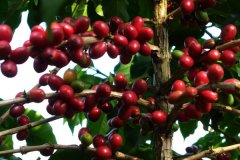
What Is Honey Process Coffee and How Does It Work
If you’ve ever tasted a coffee that was cleaner than a natural but fruitier than a washed, you might have had a honey processed bean—without knowing why it tasted that way. The method behind that balance isn’t magic, but it does depend on exact conditions, timing, and technique. So what is honey processing, really?
Honey process, also called Miel Process or Honey Coffee, is a coffee processing method that sits between washed and natural. It creates a cup with the clarity of washed coffee but adds more sweetness and body—often with notes of caramel or tropical fruit. The beans are dried with some or all of their sticky mucilage still attached, which is where the “honey” name comes from. This style is widely used in Costa Rica, Panama, and parts of Taiwan.
What Is Honey Process Coffee?
Honey process coffee is a method where coffee cherries are depulped to remove the skin, but some or all of the sticky mucilage (the fruit layer beneath the skin) is left on the beans during drying. Unlike washed coffee, where all mucilage is removed via fermentation and washing, or natural process, where cherries dry entirely in the fruit, honey processing strikes a middle ground. This results in a cup profile that often has the clean acidity of washed coffee but with added sweetness, body, and sometimes fruity or caramel-like flavors. The name “honey” refers to the sticky mucilage, not actual honey.
How Does Honey Processing Work?
The honey process begins like washed processing: the coffee cherry is picked and the outer skin is removed, usually with a depulper. At this point, most of the fruit’s mucilage remains clinging to the parchment-covered seed. Producers then spread these beans out to dry—typically on patios or raised beds—allowing the mucilage to dry onto the bean. Because the sticky mucilage can make drying more difficult and promote mold if not managed well, honey processed coffees require consistent sunlight and low humidity. The amount of mucilage left on the bean can vary, sometimes categorized as yellow, red, or black honey, depending on how much is retained and how long it's dried, though those terms are more common in Central America.
Why Use the Honey Process?
Honey processing is chosen for its ability to enhance certain cup qualities. By retaining some mucilage during drying, producers aim to boost sweetness, complexity, and body while maintaining a relatively clean profile compared to natural processing. The process can highlight tropical, caramel, or stone fruit notes, and often results in a smoother, more rounded cup. However, it requires specific environmental conditions—mainly dry weather and strong sunlight—to avoid fermentation issues or uneven drying. That’s why it’s most successfully used in regions with reliable dry seasons, such as parts of Central America.
Where Is Honey Process Commonly Used?
Honey processing is especially popular in Costa Rica, Panama, and some farms in Taiwan. In these regions, producers have refined the technique to match local climates and elevations. Costa Rican mills, for example, often label their honey processed coffees as yellow, red, or black honey to indicate different levels of mucilage and drying time. The method complements high-altitude growing conditions, where coffee already tends to have bright acidity, allowing the honey process to round out and sweeten the final cup. In Panama, honey processed lots are often sought after for their complex profiles, especially among specialty roasters looking for something between the clarity of washed and the intensity of natural.
What Growing Conditions Are Best for Honey Processing?
For honey processing to work well, the climate must be consistently dry and sunny. The beans are dried with a significant amount of sticky mucilage still attached, which means that too much moisture or lack of sunlight can lead to over-fermentation, mold, or uneven drying. Ideally, honey processed coffees are dried on raised beds or patios where airflow is good and producers can manage the beans carefully. That’s why this method thrives in regions with elevation (commonly 1,500–2,000 meters or more), moderate rainfall, and long dry seasons—environments that also tend to produce high-quality specialty coffee in the first place.
Frequently Asked Questions
What is the difference between honey process and natural process coffee?
Honey process coffee removes the skin but leaves some or all of the mucilage on the bean during drying, resulting in a sweeter, fuller-bodied cup with more clarity than natural process coffee. Natural process dries the whole coffee cherry, including the fruit and mucilage, leading to bolder fruit flavors but often less clarity and more fermentation-driven notes.
Does honey processed coffee actually contain honey?
No, honey processed coffee does not contain any actual honey. The term “honey” refers to the sticky mucilage that remains on the coffee beans during drying. This layer is sweet and sticky, similar in texture to honey, which is how the name originated.
Why is honey processing only done in certain regions?
Honey processing depends on dry, sunny weather for proper drying. The beans are dried with mucilage still attached, which can cause mold or uneven drying in humid or rainy conditions. Regions like Costa Rica and Panama have the right altitude, temperature, and dry seasons to manage this process effectively.
Is honey process better than washed or natural?
Honey process is not necessarily “better,” but it offers a different flavor profile. It combines some of the cleanliness of washed coffee with the sweetness and fruitiness of natural coffee. Preference depends on taste—some drinkers prefer its balanced profile, especially if they enjoy sweetness without heavy fermentation notes.
How does climate affect honey processing?
Climate is critical for honey processing. The beans must dry slowly with the sticky mucilage intact, so hot, dry, and sunny conditions are ideal. Rain, high humidity, or cool temperatures can disrupt drying, leading to spoilage or uneven fermentation, which ruins the batch.
Recommended FrontStreet Beans for Exploring Processed Profiles
For coffee lovers curious about how processing shapes flavor, try FrontStreet’s Lintong Mandheling, a Yunnan-grown Typica-style bean with a balanced, nutty-chocolate profile great for learning the washed baseline. For something fruitier, their Indonesia-origin Mandheling shows how regional processing amplifies spices and sweetness. Both are approachable and highlight how origin and process define cup character. Freshly roasted within 5 days · Orders placed before 17:00 ship the same day · Next-day delivery across most of Guangdong Province.
FrontStreet Coffee is a long-established specialty coffee roaster in Guangzhou China, selling freshly roasted beans from its own farm in Yunnan as well as dozens of carefully selected single-origin beans from around the world for both pour-over and espresso. The products deliver consistently excellent quality and great value, with shipping within 24 hours. Guangzhou's FrontStreet Coffee shop is recommended by many coffee lovers, and the beans are now available online at the Tmall 。
Important Notice :
前街咖啡 FrontStreet Coffee has moved to new addredd:
FrontStreet Coffee Address: 315,Donghua East Road,GuangZhou
Tel:020 38364473