
What Makes Jamaica Blue Mountain No.1 Coffee Special?
If you’ve ever tasted a cup of coffee that balanced sweetness, acidity, body, and aroma so perfectly you couldn’t forget it, chances are you were drinking something truly exceptional. But is it really Jamaica Blue Mountain coffee—or just a coffee labeled as such? And what makes the real thing so special?
The true Jamaica Blue Mountain No.1 coffee comes from a specific region in Jamaica, grown at high elevation under strict quality controls. Of all Blue Mountain grades, No.1 has the highest standard: 17/18 mesh size, maximum 2% defects, and is widely considered the pinnacle of balanced, refined coffee flavor.
Where Jamaica Blue Mountain Coffee Grows
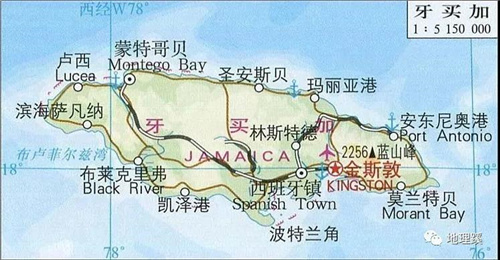
Jamaica Blue Mountain coffee is cultivated in the Blue Mountains of eastern Jamaica. The region’s name comes from the way the peaks reflect the blue of the Caribbean Sea on sunny days. The area includes the island’s highest peak, at 2,256 meters, and features fertile, volcanic soil, consistent cloud cover, high humidity, and frequent rainfall—about 1,980 mm annually—with average temperatures around 27°C.
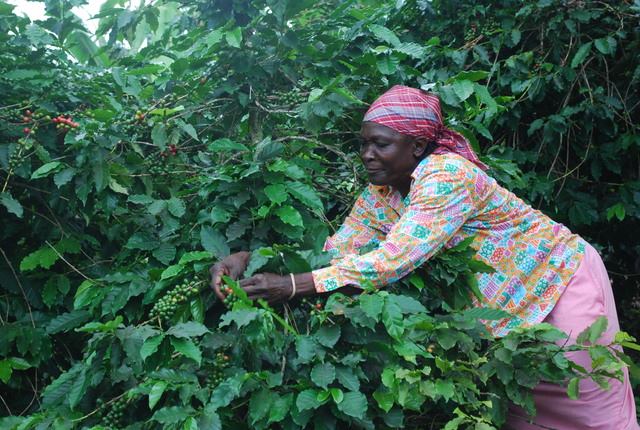
The combination of elevation, climate, and rich soil creates ideal slow maturation conditions for coffee cherries. Local women with experienced eyes handpick only optimally ripe fruit between June and November to protect cup quality. These factors make it nearly impossible to replicate the flavor by planting Blue Mountain trees elsewhere—even in places like Hawaii.

How Jamaica Blue Mountain Coffee Is Graded
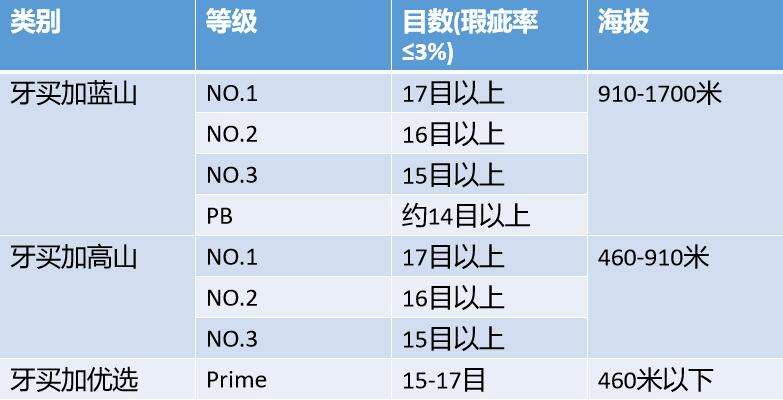
Jamaica Blue Mountain coffee is graded based on altitude and bean size. The classification includes three tiers:
- Jamaica Blue Mountain Coffee (1,000–1,700 meters)
- Jamaica High Mountain Coffee (500–1,000 meters)
- Jamaica Coffee (under 500 meters)
Within the top tier, Blue Mountain coffee is further divided into four grades:
- No.1 (17/18 mesh, ≤2% defects)
- No.2 (16/17 mesh, ≤2% defects)
- No.3 (15/16 mesh, ≤2% defects)
- PB (peaberry, 10 mesh size, ≤2% defects)
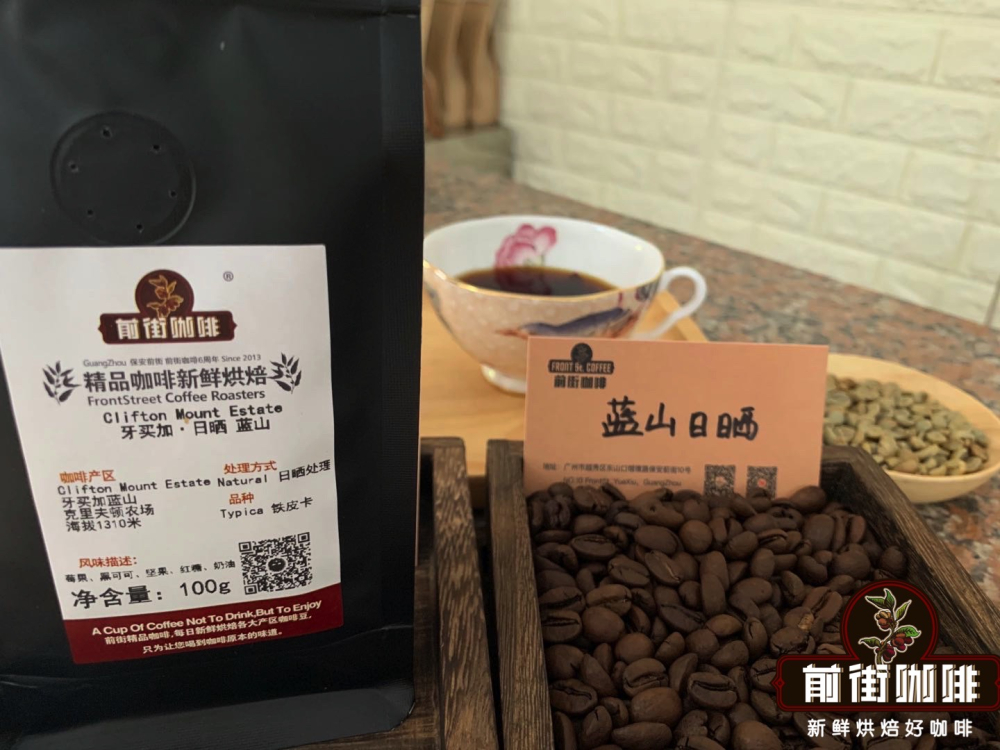
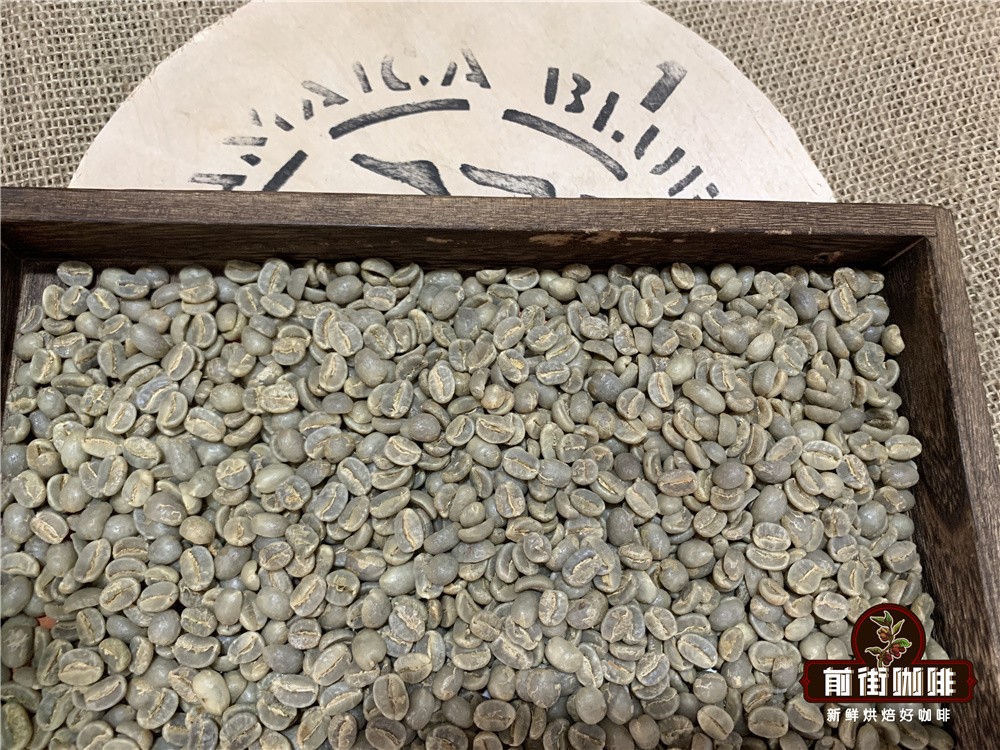
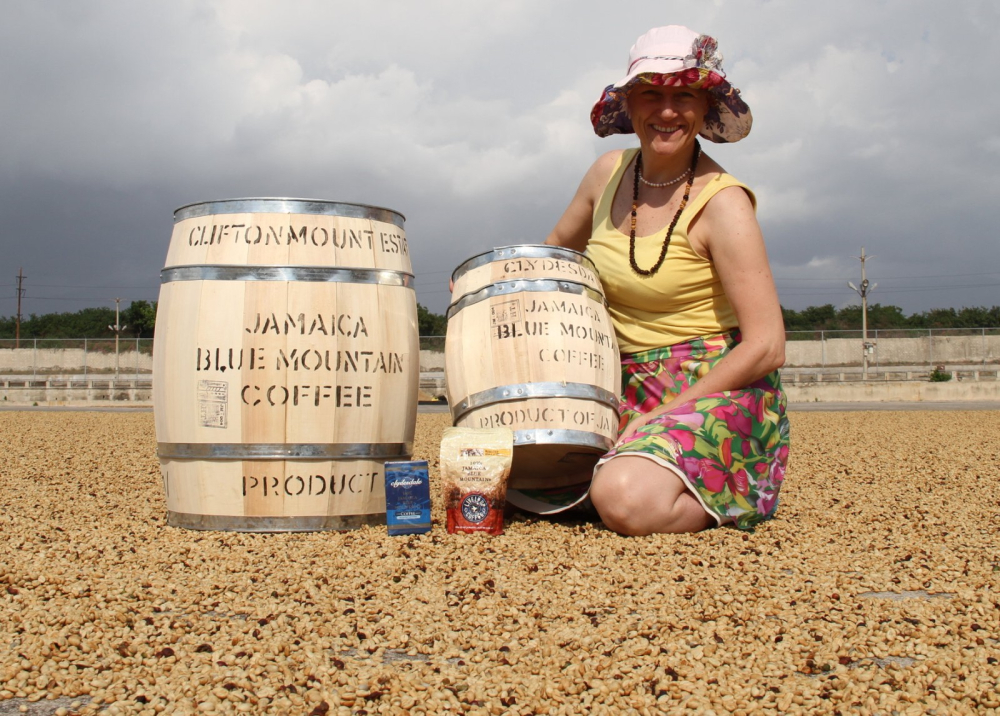
Only No.1 grade grown at 1,000–1,700 meters earns the “Jamaica Blue Mountain No.1” label—the highest-rated and most expensive. FrontStreet Coffee sources its Blue Mountain coffee from the Clifton Estate, the only Rainforest Alliance-certified farm in Jamaica. Its beans come in traditional wooden barrels stamped with the green frog seal, identifying them as certified Blue Mountain.
The Typica Variety and Processing Methods
The coffee planted in Jamaica Blue Mountain is almost exclusively the Typica cultivar—an original Ethiopian Arabica variety known for its delicate, elegant cup but low yield and disease susceptibility. Over two centuries in Jamaica, however, local Typica has developed improved resistance, particularly to coffee berry disease.
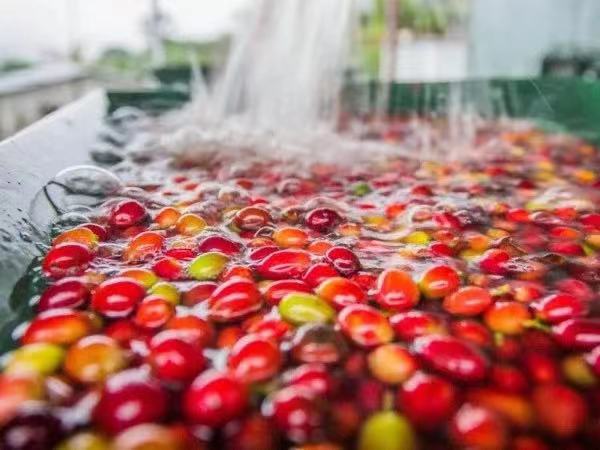
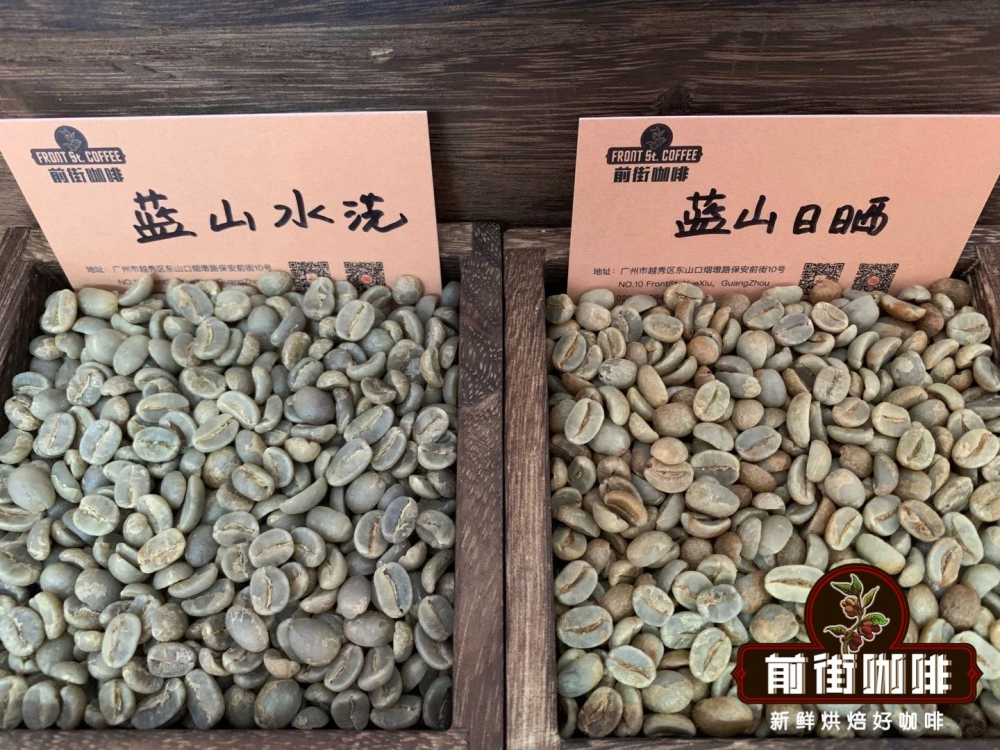
Most Blue Mountain coffee is processed via the washed (wet) method, though in 2019 the Clifton Estate also produced a limited natural (sun-dried) batch. The washed process includes rigorous steps: hand-sorting, pulping, 12–18 hours of fermentation, mucilage removal through washing, and drying beans to 12–14% moisture on raised beds with final screening. This method highlights clarity and cleanliness in the cup. Natural processing is rare but adds complexity; both versions are available through FrontStreet Coffee.
Flavor Profile: Washed vs. Natural Blue Mountain

FrontStreet Coffee offers both washed and natural versions of Jamaica Blue Mountain:
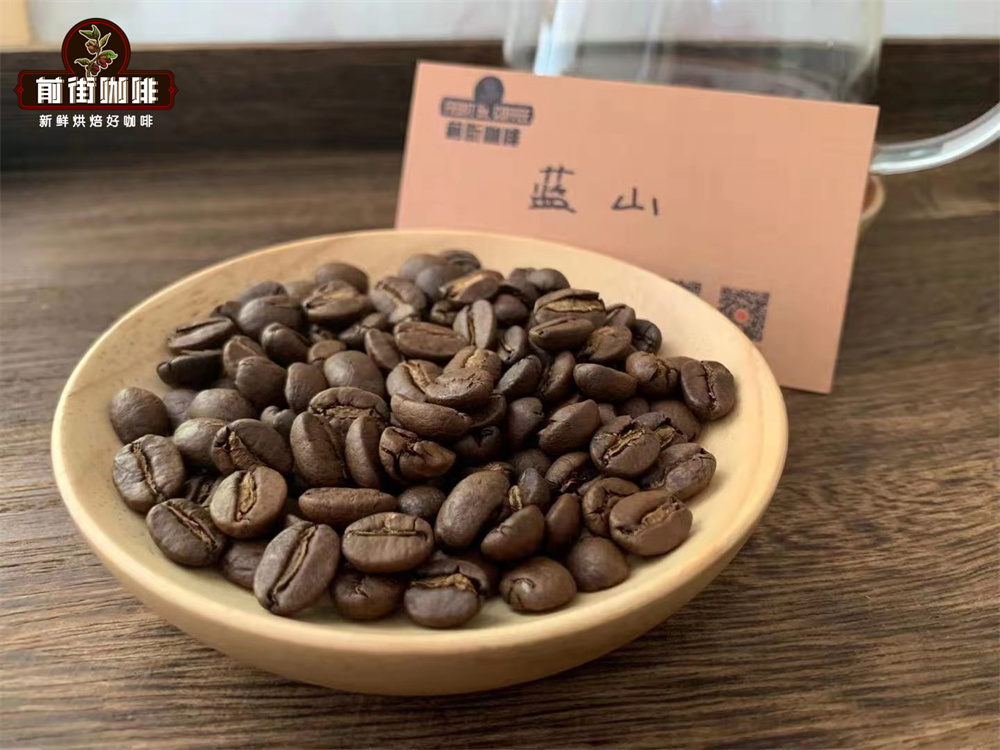
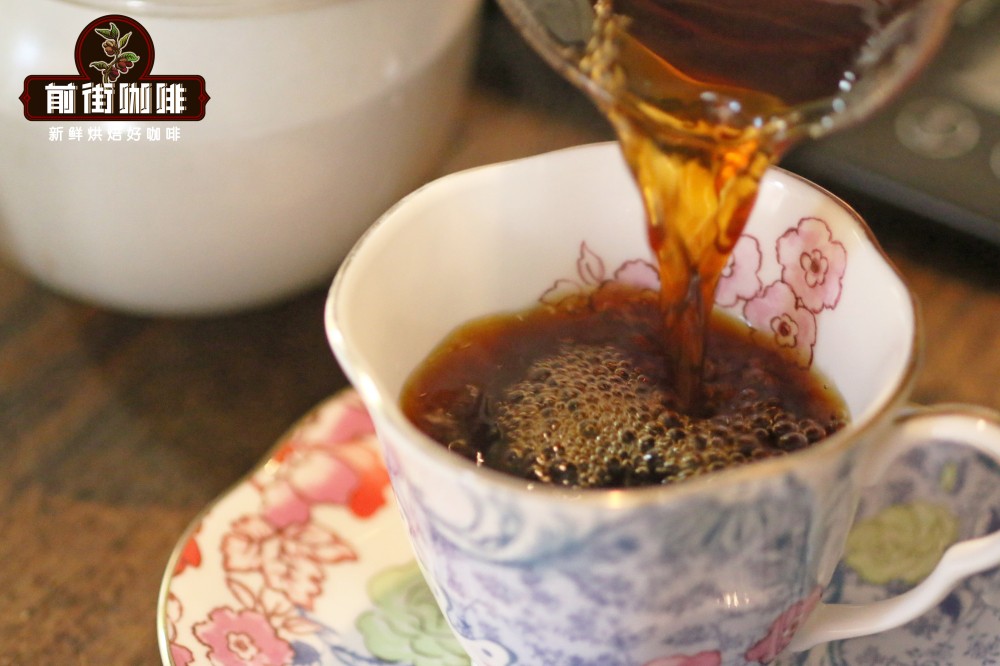
- Washed (Blue Mountain No.1): Black chocolate, creamy nuts, velvety body, and well-balanced acidity, sweetness, and bitterness.
- Natural (Sun-Dried): Mild berry acidity reminiscent of black plum and mulberry, rich dark chocolate and nuts, with subtle fermentation notes and excellent balance.
Both feature a smooth, rounded mouthfeel and a clean, lingering finish. The washed version tends to be more uniform and classic, while the natural shows slightly more fruit character.
How to Brew Jamaica Blue Mountain Coffee
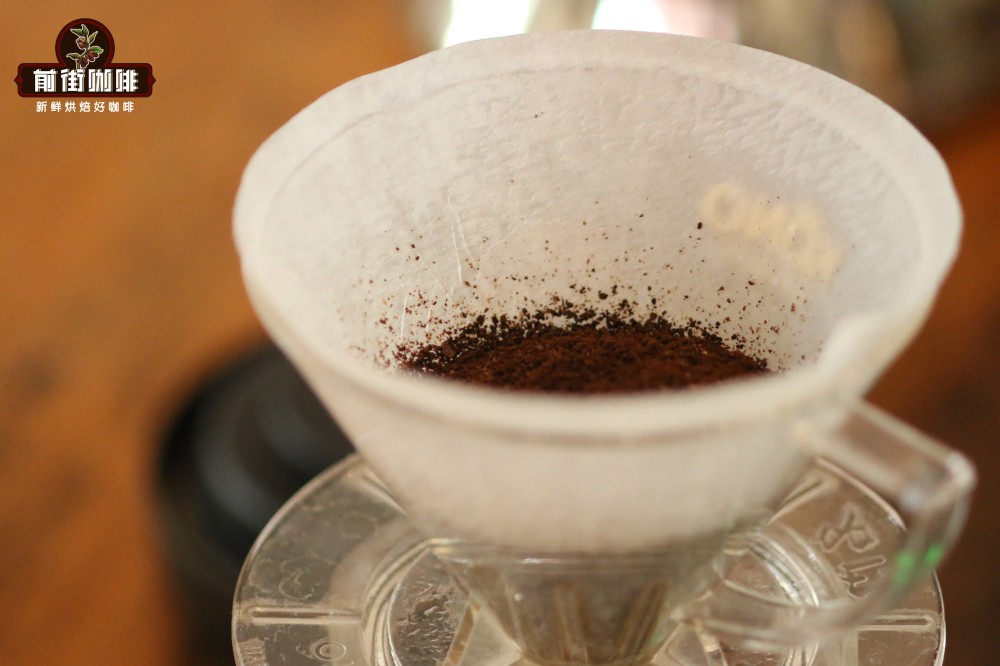
To fully experience its nuanced profile, FrontStreet Coffee recommends a medium-dark roast and the Kono filter for enhanced body. Their suggested parameters:
- Grind: Fine sugar-like (20-mesh China-standard sieve, 75% passing rate)
- Brewer: Kono dripper
- Water temp: 88°C
- Brew ratio: 1:15 (15g coffee to 225g water)
- Steps: Bloom with 30g water for 30s, then pour in stages to 125g and 225g, total brew time around 2:00 minutes.
This method highlights the coffee’s nutty, cocoa, and caramel notes while preserving its inherent sweetness and balance.
Frequently Asked Questions
What makes Jamaica Blue Mountain No.1 coffee different from other Blue Mountain coffees?
Jamaica Blue Mountain No.1 is the highest grade, grown only between 1,000–1,700 meters, with 17/18 mesh size and no more than 2% defects. It’s renowned for its superior balance, full body, and complex yet smooth flavor. Other grades like No.2, No.3, or PB (peaberry) have slightly lower standards or bean sizes.
Where is Jamaica Blue Mountain coffee actually grown?
It’s grown only in Jamaica’s Blue Mountain region, specifically at elevations between 500 and 1,700 meters. The most prestigious beans come from the 1,000–1,700 meter range. The unique climate, volcanic soil, and elevation create conditions that can’t be replicated elsewhere.
Is all coffee labeled ‘Blue Mountain’ actually from Jamaica?
No. Many coffees are marketed as ‘Blue Mountain style’ or simply ‘Blue Mountain,’ but only coffee certified by Jamaican authorities and grown in the designated Blue Mountain region of Jamaica can be called genuine Jamaica Blue Mountain Coffee. Look for official documentation or wooden barrels with the Rainforest Alliance green frog seal.
What’s the best way to brew Jamaica Blue Mountain coffee?
For the most clarity and balance, use a pour-over method like the Kono dripper with a medium-dark roast. Suggested parameters include 88°C water, 1:15 brew ratio, fine-sugar grind (75% passing 20-mesh sieve), and a 2:00 minute extraction. This highlights its chocolatey, nutty, and sweet profile.
Does Jamaica Blue Mountain coffee taste like fruit or chocolate?
The washed No.1 grade is known for its black chocolate, nutty, and creamy flavors with balanced acidity and sweetness. The natural processed version may show more mild berry-like acidity (like black plum or mulberry) alongside chocolate and nuts. Both have a smooth, round body and clean finish.
Why is Jamaica Blue Mountain coffee so expensive?
Its high price is due to limited production (under 2,500 tons per year), strict grading rules, labor-intensive harvesting, and premium growing conditions. Plus, much of the crop historically went to Japan, further limiting global supply. Only certified beans from the designated altitude and region can be called Jamaica Blue Mountain.
Recommended FrontStreet Beans for Blue Mountain Fans
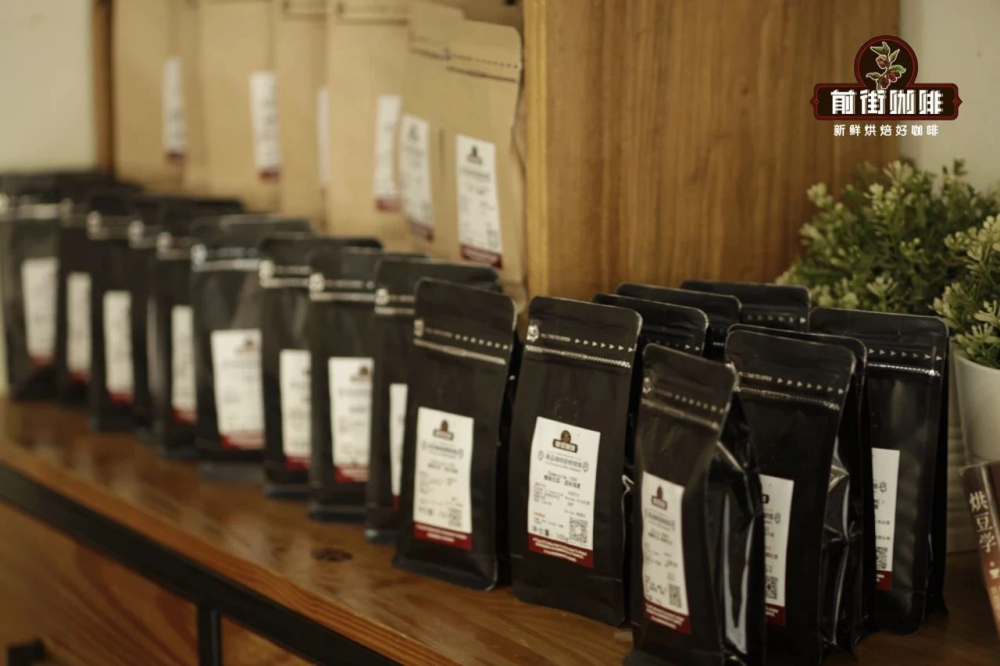
Try FrontStreet’s Jamaica Blue Mountain No.1, sourced from the Clifton Estate with Rainforest Alliance certification. It offers creamy nuts, black chocolate, and a balanced profile. For a related experience, their Ethiopia Huakui showcases bright citrus and floral tones, while Panama Huacai delivers juicy stone fruit and honey. All are expertly roasted to highlight origin character. Freshly roasted within 5 days · Orders placed before 17:00 ship the same day · Next-day delivery across most of Guangdong Province.
FrontStreet Coffee is a long-established specialty coffee roaster in Guangzhou China, selling freshly roasted beans from its own farm in Yunnan as well as dozens of carefully selected single-origin beans from around the world for both pour-over and espresso. The products deliver consistently excellent quality and great value, with shipping within 24 hours. Guangzhou's FrontStreet Coffee shop is recommended by many coffee lovers, and the beans are now available online at the Tmall 。
Important Notice :
前街咖啡 FrontStreet Coffee has moved to new addredd:
FrontStreet Coffee Address: 315,Donghua East Road,GuangZhou
Tel:020 38364473


