Types of Coffee & Processing Methods Explained
Ever wondered why some coffees taste nutty and sweet while others are bold and bitter? The answer isn’t just the bean—it’s how the coffee is processed, roasted, and blended. Whether you’re curious about Italian espresso, milk-based drinks, or unique regional roasts, understanding these methods unlocks the full potential of your cup.
There are over a dozen common coffee types and processing styles mentioned here, including five classic blends (like the 2:2:1.5:4.5 Colombia-Brazil-Mandheling-Java mix for 'charcoal-roasted coffee'), four milk-based drinks (cappuccino, latte, French coffee, and café au lait-style drinks), and seven single-origin or regional roasts (like Jamaican Blue Mountain, Panama Geisha-style mocha, and Indonesian Mandheling).
Charcoal-Roasted Coffee & Sun-Dried Processing
Charcoal-roasted coffee refers to a blend roasted with a distinct method yielding a bold, bitter profile. The classic formula from the article uses a fixed ratio: 2 parts Colombia, 2 parts Brazil, 1.5 parts Mandheling, and 4.5 parts Java. This blend balances body and bitterness, often used for strong espresso or dark roasts.
Sun-dried or 'shade-dried' coffee—translated here as ''—is processed by drying coffee cherries in the shade for 60–70 days. This slow drying allows the fruit’s sugars to penetrate the bean, resulting in a naturally sweet cup. It’s a natural or dry-processing variant that highlights sweetness without fermentation.
Espresso & Its Role as a Base Drink
Espresso is the foundational Italian coffee: finely ground dark-roast beans are brewed under steam pressure. The result is a small, concentrated shot with a thick crema, bold bitterness, and intense aroma. It’s meant for small cups and serves as the base for many other drinks.
The key traits of espresso include high concentration, a layer of coffee oil (crema), and a strong bitter taste. It’s extracted using specialized machines that push steam through finely ground coffee. The article emphasizes its role as the base for drinks like cappuccino and latte.
Milk-Based Coffee Drinks & Their Ratios
Cappuccino is made by layering 1/3 espresso, 1/3 hot milk, and 1/3 milk foam in a cup. The foam floats like a 'cap' atop the drink and may be dusted with cinnamon or cocoa. This classic Italian drink balances coffee intensity with creamy texture.
French-style milk coffee combines equal parts strong coffee and fresh milk (1:1 ratio), creating a smooth, milky cup. Caffè Latte, ideal for breakfast, consists of 1/3 espresso and 2/3 hot milk, with an optional 1–2 tablespoons of textured foam made by pumping hot milk 20–30 times in a frothing pitcher.
Other milk drinks noted include variations like adding milk foam to espresso for texture, or blending different roast levels to moderate bitterness in milk-heavy drinks.
Single-Origin & Regional Coffee Profiles
Jamaican Blue Mountain coffee features balanced acidity, sweetness, and mild bitterness, ideal as a single-origin espresso or medium-roast cup. Mandheling coffee has a rich aroma, moderate acidity, and sweet depth, performing best as a dark roast.
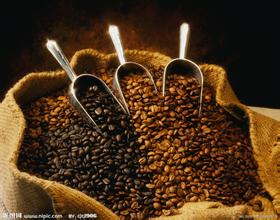
Brazilian coffee adapts to roast level: medium brings soft, balanced flavor, while dark produces strong bitterness, making it great for blends. Mocha (Yemen-origin style or blended) has a unique aroma and varies from soft acidity in medium roasts to deep richness when dark roasted—sometimes used in cocktails.
Colombian coffee offers distinctive acidity and body: medium roasts are refreshing, dark roasts develop mature flavors. Salvadoran coffee balances equal measures of acid, bitter, and sweet, performing well at medium or dark roasts. Hawaiian coffee is sharply acidic with unique aroma; medium roasts highlight acidity, while darker roasts deepen complexity. Guatemalan coffee combines premium acidity and smooth sweetness, excelling as a dark-roast component in blends.
Frequently Asked Questions
What is charcoal-roasted coffee and what beans are in it?
Charcoal-roasted coffee is a dark, bold blend with a bitter edge. The specific mix mentioned is 2 parts Colombia, 2 parts Brazil, 1.5 parts Mandheling, and 4.5 parts Java. This combination creates a strong, full-bodied espresso suitable for dark roasting.
How is sun-dried or shade-dried coffee processed?
Sun-dried (or shade-dried) coffee is processed by drying coffee cherries in the shade for 60–70 days. This slow method allows natural fruit sugars to infuse the beans, resulting in a sweeter cup profile without added fermentation steps.
What defines an espresso shot?
An espresso is a small, concentrated coffee brewed under steam pressure using finely ground dark-roast beans. It has a thick crema, intense bitterness, and high aroma, typically served in small cups as a base for other drinks.
What are the standard milk ratios for cappuccino and latte?
A cappuccino uses equal thirds: 1/3 espresso, 1/3 hot milk, and 1/3 milk foam. A latte is 1/3 espresso and 2/3 hot milk, with optional 1–2 tablespoons of foam created by pumping milk 20–30 times. French coffee uses a 1:1 coffee-to-milk ratio.
What are the flavor profiles of common single-origin coffees?
Jamaican Blue Mountain is balanced and mild; Mandheling is aromatic and sweet; Brazilian ranges from soft to bitter; Mocha varies from fruity to rich; Colombian offers bright acidity; Salvadoran balances all three tastes; Hawaiian is sharp and aromatic; Guatemalan is sweet and smooth.
Recommended FrontStreet Beans for Blends & Roast Styles
For exploring the blends and roast profiles in this article, try FrontStreet Coffee’s PWN Golden Mandheling for its rich aroma and sweet depth—ideal as a dark roast component. Their Brazil Queen Manor beans offer smooth body that works well in both medium and dark roasts, perfect for blending or single-origin espressos. For bright acidity and balance, FrontStreet’s Colombia beans deliver a classic profile suited to medium roasts. Freshly roasted within 5 days · Orders placed before 17:00 ship the same day · Next-day delivery across most of Guangdong Province.
FrontStreet Coffee is a long-established specialty coffee roaster in Guangzhou China, selling freshly roasted beans from its own farm in Yunnan as well as dozens of carefully selected single-origin beans from around the world for both pour-over and espresso. The products deliver consistently excellent quality and great value, with shipping within 24 hours. Guangzhou's FrontStreet Coffee shop is recommended by many coffee lovers, and the beans are now available online at the Tmall 。
Important Notice :
前街咖啡 FrontStreet Coffee has moved to new addredd:
FrontStreet Coffee Address: 315,Donghua East Road,GuangZhou
Tel:020 38364473