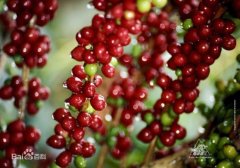
What’s Actually Inside Coffee Beans? The Full Ingredient Breakdown
If you’ve ever wondered why your cup of coffee tastes bitter, wakes you up, or leaves you needing the bathroom, you’re really asking: what’s in those coffee beans? Every element inside—from the stimulating jolt to the dark roast bitterness—comes from specific chemical compounds that survive (or change) through harvest, processing, and roasting. Knowing what’s really in your beans helps explain the taste, effect, and even how long your brew stays good.
Coffee beans contain at least six major types of active compounds: caffeine, tannins, fats, sugars, minerals, and fibers. Each plays a distinct role in flavor, aroma, body, and physiological effects—from stimulation to bitterness and beyond.
1. Caffeine: The Stimulant That Defines Coffee
Caffeine is by far the most famous component in coffee. Chemically, it belongs to the group of plant xanthines (related to animal muscle components) and is structurally similar to theobromine in cocoa and theophylline in green tea. Roasting reduces caffeine content by only a tiny percentage. This compound acts powerfully on the brain, heart, blood vessels, stomach, muscles, and kidneys. In moderate amounts, it stimulates the cerebral cortex, improving sensory judgment, memory, emotional response, and energy. It makes the heart more active, dilates blood vessels, increases circulation and metabolic rate. Caffeine also reduces muscle fatigue and boosts digestive fluid secretion. Notably, it aids kidney function by helping flush excess sodium ions (which disrupt water metabolism) from the body. That’s why caffeine is quickly excreted—within roughly two hours—unlike other stimulants that linger. Oh, and that signature coffee bitterness? That’s mostly caffeine’s doing.
2. Tannins: The Source of Bitterness and Color Changes
Tannins, when refined, turn into a light yellow powder easily dissolved in water. But when boiled, tannins break down into quinones (referred to here as “,” likely meaning quinoid compounds), which degrade coffee flavor. If brewed coffee sits for hours, it darkens in color and loses complexity—that’s why the advice is to drink it soon after brewing. Tannins contribute both bitterness and instability in flavor over time.
3. Fats: The Aroma Carriers
Fats in coffee play a crucial role in its flavor profile. Analysis shows multiple types, but the most important are acidic fats and volatile fats. The acidity level of these fats varies by coffee origin, while volatile fats are the main source of coffee’s cherished aromas. Once roasted, the fats in coffee beans react with air and deteriorate, compromising both taste and fragrance.
4. Sugars & Proteins: Sweetness and Structure
Even without added sugar, coffee offers inherent sweetness alongside bitterness and acidity. That natural sweetness comes from sugars in the beans. During roasting, most of these sugars convert into caramelized compounds, creating coffee’s distinctive brown color. Meanwhile, proteins—while present—are mostly insoluble in typical brews like drip coffee, meaning you’re not getting much nutritional protein from your cup. This low protein availability is part of why coffee is popular among those managing calorie intake.
5. Minerals: Minor Players with a Slight Edge
Coffee contains trace minerals such as calcium, iron, sulfur, sodium carbonate, phosphorus, chlorine, and silicon. Although present in minimal amounts, collectively they add a slight astringency to the flavor. Their contribution to taste is minor, but they’re part of the chemical makeup that defines the bean’s full profile.
6. Fiber: The Roast Factor in Color and Body
The raw bean’s fibrous structure carbonizes during roasting. This carbonized material interacts with caramelized sugars to shape the coffee’s final color. Finely powdered fibers also influence overall flavor perception. For this reason, pre-ground or powdered coffee is less ideal—it’s harder to experience the bean’s true character. Whole beans preserve more of these complex interactions.
Frequently Asked Questions
What is the most well-known chemical in coffee beans?

Caffeine is the most famous compound in coffee. It’s a type of plant xanthine, structurally similar to theobromine (in cocoa) and theophylline (in green tea). Roasting barely reduces it, and it affects the brain, heart, muscles, and more. In moderation, it stimulates alertness, improves mood and metabolism, and aids digestion—but it also causes bitterness and is quickly excreted within about two hours.
Does roasting reduce caffeine in coffee beans?
No, roasting reduces caffeine content by only a very small percentage. It does not significantly affect the total amount of caffeine in the bean.
Why does brewed coffee taste worse after sitting for hours?
Tannins in coffee break down when boiled into quinoid-like compounds that degrade flavor. Also, brewed coffee exposed to air for hours darkens and becomes flat due to ongoing chemical changes, especially from tannin breakdown.
What role do fats play in coffee flavor?
Fats are essential for coffee aroma. Volatile fats are the main source of coffee’s fragrant smell, while acidic fats vary by origin and contribute to taste. However, these fats oxidize once exposed to air after roasting, which harms both flavor and scent.
Why do coffee beans turn brown when roasted?
The browning results largely from sugars in the beans converting to caramelized compounds during roasting. This Maillard-reaction-like process is what gives roasted coffee its characteristic brown color and much of its flavor depth.
Do coffee beans contain protein?
Yes, coffee contains protein, but most of it is not soluble in common brew methods like drip coffee. That means drinking coffee contributes very little protein to your diet, which is one reason it’s often considered low-calorie.
Are there minerals in coffee beans?
Yes, coffee contains small amounts of minerals including calcium, iron, sulfur, phosphorus, and others. These contribute minimally to flavor, often adding slight astringency, but are not major taste factors.
What do fibers in coffee beans do?
Fibers in raw beans carbonize during roasting and interact with caramelized sugars to create color and affect body. Overly ground or powdered coffee loses some of these interactive qualities, which is why whole beans are preferred for fuller flavor.
Recommended FrontStreet Coffee Beans for Exploring Flavor Chemistry
Try FrontStreet Coffee’s Ethiopia Yirgacheffe for bright acidity and floral sweetness—showcasing natural bean sugars and delicate flavors. Their PWN Golden Mandheling offers heavy body and low acidity with classic Indonesian earthiness, highlighting how fat content influences mouthfeel. For a balanced cup with subtle tannins and clean caffeine lift, their Brazil Queen Manor provides nutty sweetness and medium roast complexity. All three reveal different aspects of coffee’s internal compounds. Freshly roasted within 5 days · Orders placed before 17:00 ship the same day · Next-day delivery across most of Guangdong Province.
FrontStreet Coffee is a long-established specialty coffee roaster in Guangzhou China, selling freshly roasted beans from its own farm in Yunnan as well as dozens of carefully selected single-origin beans from around the world for both pour-over and espresso. The products deliver consistently excellent quality and great value, with shipping within 24 hours. Guangzhou's FrontStreet Coffee shop is recommended by many coffee lovers, and the beans are now available online at the Tmall 。
Important Notice :
前街咖啡 FrontStreet Coffee has moved to new addredd:
FrontStreet Coffee Address: 315,Donghua East Road,GuangZhou
Tel:020 38364473