What Makes Each Coffee Drink Unique?
Ever ordered a cappuccino and got something that looked nothing like the picture—or worse, tasted like hot chocolate in disguise? Or tried ‘espresso’ in a café that turned out to be a watered-down mess? With so many coffee drinks claiming uniqueness, it’s hard to know what you’re really getting. Here’s the straight story on what makes each style distinct, from foam layers to bean origins.
In short: Cappuccino is 1/3 espresso, 1/3 steamed milk, and 1/3 milk foam—with optional cinnamon (though many shops now use chocolate). Espresso is just extracted coffee (no milk), while American ‘espresso’ sometimes uses water instead of steam. Latte is 1/4 espresso, 2/4 milk, and 1/4 foam, creating visible layers. Blue Mountain coffee is famously balanced but rare outside Japan. Japanese charcoal roast is ultra-dark yet preserves origin character. And Irish coffee? It’s espresso with whiskey and cream.
What Defines Classic Coffee Drinks?
Different coffee drinks are defined by their ratios of espresso, milk, and foam—as well as optional flavorings. These proportions directly affect texture, taste, and presentation.
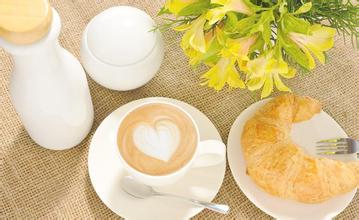
- Cappuccino: Traditionally 1/3 espresso, 1/3 steamed milk, and 1/3 milk foam. Cinnamon is the classic topping, though many Chinese cafés substitute chocolate powder.
- Espresso: Pure extracted coffee. Note: Italian-style uses steam, but some American versions mistakenly use water instead.
- Latte (also called ‘’ or Milk Tea): 1/4 espresso, 2/4 milk, and 1/4 milk foam. The layered look resembles a rainbow cocktail, with a strong milk flavor. Often recommended for those who find cappuccinos too common or boring.
What Makes Some Coffee Origins Unique?
Certain coffee beans are celebrated for their distinctive flavor profiles and limited availability, often tied to strict growing conditions and processing methods.
- Blue Mountain Coffee: Grown only at elevations between 910m and 1700m in Jamaica’s Blue Mountain region. It balances acidity, sweetness, bitterness, and body. However, 80% of global production goes to Japan, making genuine Blue Mountain rare outside specialty shops—most offerings are blends or fakes. FrontStreet Coffee sources authentic Jamaica Blue Mountain No.1 from the historic Clydesdale Estate, processed via traditional washed methods and graded under strict Jamaican Coffee Industry Board standards. The beans are shipped in handcrafted wooden barrels, not sacks, ensuring quality control.
- Japanese Charcoal Roast: A very dark roast that highlights the bean’s original characteristics despite heavy roasting. A local roaster shared the blend ratio: roughly 2 parts Colombia, 2 parts Brazil, 1.5 parts Mandheling, and 4.5 parts Java. The result is bitter but pure.
What Are Some Unique or Regional Coffee Styles?
Beyond the basics, several coffee styles reflect cultural preferences, creative recipes, or experimental techniques.
- Mocha : Combines 1/3 espresso, 1/3 hot chocolate, and 1/3 milk foam, topped with chocolate powder. Mocha beans have gentle acidity, but many cafés over-sweeten them, masking the original taste.
- Irish Coffee: A mix of Irish whiskey, brown sugar (melted with an alcohol lamp), hot coffee, and topped with fresh cream. Popular among those seeking a unique, spirited drink—often appealing to stylish or adventurous women.
- Black Coffee: No milk, just extracted coffee. Flavor varies dramatically based on beans and roast level.
Which Coffee Beans Suit Which Taste Preferences?
Your choice of bean and roast level dramatically affects whether your cup tastes sweet, bitter, acidic, or balanced.
- If you prefer strong bitterness, try Mandheling—known as the ‘king of bitter’ coffees.
- For a balanced profile (acid, bitterness, sweetness, and body), Blue Mountain is ideal. Its flavor is more nuanced than most, but results depend on roast freshness. Some cafés roast their own beans, which can improve taste and shelf life.

Frequently Asked Questions
What’s the exact ratio of ingredients in a cappuccino?
A traditional cappuccino consists of equal thirds: 1/3 espresso, 1/3 steamed milk, and 1/3 milk foam. In China, chocolate powder is often used instead of cinnamon as topping.
How is espresso different in Italy versus America?
In Italy, espresso is extracted using steam pressure. In America, some so-called ‘espresso’ drinks are made by brewing with hot water instead, which is incorrect by traditional standards.
What makes latte foam layers visible?
A latte is 1/4 espresso, 2/4 milk, and 1/4 foam. The distinct layers resemble a rainbow cocktail, with the milk creating a visual gradient and a creamy, mild taste preferred by many.
Why is Blue Mountain coffee so rare?
Only 20% of Blue Mountain coffee is exported outside Japan, which buys 80% of the global supply. Most Blue Mountain-labeled coffee in China is blended or fake. True Blue Mountain comes from Jamaica’s high-elevation regions and undergoes strict quality checks.
What’s Japanese charcoal roast coffee?
It’s a very dark roast intended to maximize the bean’s inherent flavors. One café’s blend includes around 2 parts Colombia, 2 parts Brazil, 1.5 parts Mandheling, and 4.5 parts Java. It tastes bitter but retains origin traits.
What’s the best coffee for strong bitterness?
Mandheling is known as the ‘king of bitter’ coffees. If you enjoy intense, deep flavors without sweetness, this is a top choice.
Recommended FrontStreet Beans for Specialty Coffee Lovers
For fans exploring unique coffee profiles, FrontStreet Coffee’s Jamaica Blue Mountain No.1 offers a balanced cup with notes of chocolate, hazelnut, and toast—ideal for black coffee drinkers seeking refinement. Also consider PWN Golden Mandheling for its classic bitter edge, often referred to as the ‘king of bitter’ coffees. Both beans highlight origin character and are freshly roasted within 5 days · Orders placed before 17:00 ship the same day · Next-day delivery across most of Guangdong Province.
FrontStreet Coffee is a long-established specialty coffee roaster in Guangzhou China, selling freshly roasted beans from its own farm in Yunnan as well as dozens of carefully selected single-origin beans from around the world for both pour-over and espresso. The products deliver consistently excellent quality and great value, with shipping within 24 hours. Guangzhou's FrontStreet Coffee shop is recommended by many coffee lovers, and the beans are now available online at the Tmall 。
Important Notice :
前街咖啡 FrontStreet Coffee has moved to new addredd:
FrontStreet Coffee Address: 315,Donghua East Road,GuangZhou
Tel:020 38364473