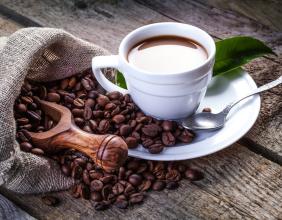
Coffee Bean Types and Their Distinct Flavors Explained
Ever wondered why some coffees are bright and citrusy while others are bold and bitter? Or why some beans are sought after while others barely make the cup? The world of coffee is shaped by bean origin, processing, and variety—and each type brings unique characteristics to your cup.
There are seven well-known coffee types covered here: Jamaican Blue Mountain, Yemeni and Ethiopian Mocha, Colombian Supremo, Indonesian Mandheling, charcoal-roasted coffee, Brazilian Santos, and Kenyan AA. These represent both single-origin legends and widely used blends. In addition, all global coffee falls into just two species: Arabica and Robusta.
Major Single-Origin Coffee Varieties
Different coffee-growing regions produce beans with distinctive flavor profiles. These are some of the most recognized and historically significant types:
- Jamaican Blue Mountain (BLUE MOUNTAIN): Grown above 2,500 feet in Jamaica’s Blue Mountains, this coffee is lightly acidic, smooth, sweet, and refined. Though mild in flavor, it offers a refined and aromatic cup often described as elegant or “noble”—making it one of the most prestigious coffees in the world.
- Mocha (MOCHA): Primarily from Yemen, with Ethiopia as a secondary source. This coffee features a smooth profile with medium to strong acidity, excellent sweetness, and unique chocolate-like notes. Often described as having a “ladylike” refinement, Mocha is a standout single-origin variety.
- Colombian (COLOMBIA): The Supremo grade is especially notable. Colombian coffee is soft, mellow, with light to medium acidity. Its flavor is consistent and aromatic, making it a high-quality component in coffee blends.
- Mandheling (MANDELING): Grown in Sumatra, Indonesia, this is the country’s most representative coffee. It delivers a strong, bold, and richly flavorful cup—intensely full-bodied without acidity. Among Indonesian coffees, Mandheling is considered the highest in quality.
- Charcoal Roast (CHARCAL FIRE): A dark, heavy roast style producing a burnt, bitter cup with no acidity. The beans often emerge oily. Best suited for espresso-style brewing methods such as stovetop or steam-driven machines.
- Brazilian (SANTOS): As the world’s largest coffee producer, Brazil’s beans are mild, softly acidic, and lightly bitter—representing the classic neutral profile. It’s a foundational bean for blending mild or balanced coffees.
- Kenyan AA (KENYA AA): A high-grade coffee grown in East Africa’s highlands. The AA grade indicates top quality. These beans have a thick, round shape and deliver a strong, rich flavor considered among Kenya’s best.
Lesser-Known but Notable Varieties
Some coffee types are rare or less commonly discussed, but still notable:
- Kona Fancy (HAWAIIAN COFFEE): Grown on Hawaii’s western volcanic slopes, Kona is the only coffee produced in the United States. It has a strong flavor, intense aroma, bright acidity, and a distinctive taste profile. Quality is stable, and it remains a sought-after souvenir for visitors to Hawaii.
- Liberica (LIBERICA): Often overlooked due to lower production and challenging cultivation traits, Liberica makes up a small share of global coffee. Its flavor is unusual and not easily categorized—but some enthusiasts seek it precisely for that uniqueness.
Two Main Coffee Species: Arabica vs Robusta
All coffee beans fall under one of two botanical species, each with distinct growing needs, flavors, and caffeine contents:
- Arabica (Arabica): Also known as “highland coffee” or “small fruit coffee,” Arabica grows at elevations above 1,500 meters. Originating in East Africa, it dominated global trade from before the 15th century—earning the name “Arabic coffee” in Europe. Today, it comprises around 75% of worldwide production. Arabica plants are sensitive to pests and require strict growing conditions, but they yield better flavor and lower caffeine than Robusta. Arabica beans are more expensive and are the primary choice for most specialty and commercial coffee brands globally.
- Robusta (Robusta): Though not detailed in the original text, Robusta is the second major coffee species. It grows at lower altitudes, is hardier and more disease-resistant, but typically has a stronger, harsher taste with higher caffeine content. It’s often used in instant coffee or as a blender to add body and crema to espresso.
Coffee Flavor, Caffeine, and What Makes Each Type Unique
The differences in coffee types come down to several key factors: altitude, species, processing method, and roast level. Arabica generally offers brighter acidity, complex fruity or floral notes, and lower caffeine. Robusta tends to be bitter, earthy, and higher in caffeine. Within Arabica, single-origin beans like Blue Mountain or Kenyan AA showcase terroir-driven qualities—elevation, soil, and climate—all reflected in acidity, body, and flavor complexity.
Coffee’s stimulating effect primarily comes from caffeine, which blocks adenosine receptors in the brain. Arabica usually contains 1.2–1.5% caffeine, while Robusta can reach 2.2–2.7%. That extra kick in a Robusta-heavy blend isn’t just perception—it’s chemistry. Roast level also affects caffeine slightly (darker roasts marginally reduce it), but flavor and mouthfeel change far more noticeably.
Frequently Asked Questions
What are the main types of coffee beans in the world?
The global coffee market primarily uses two species: Arabica (about 75% of production) and Robusta. Within Arabica, famous single-origin types include Jamaican Blue Mountain, Ethiopian Mocha, Colombian Supremo, Kenyan AA, Mandheling from Indonesia, Brazilian Santos, and Hawaiian Kona. Liberica is a minor variety with unique but less popular flavors.
What is the difference between Arabica and Robusta coffee?
Arabica grows at higher altitudes, has a smoother, more acidic, and complex flavor with less caffeine (1.2–1.5%). Robusta grows at lower altitudes, tastes harsher and more bitter with more caffeine (2.2–2.7%). Arabica is more susceptible to pests but is favored for specialty coffee; Robusta is more robust and used for espresso blends or instant coffee.
Which coffee type has the strongest flavor?
Charcoal roasted coffee and Robusta beans typically have the strongest, bitterest flavors. Among single origins, Mandheling and Kenyan AA are known for intense, full-bodied cups. Jamaican Blue Mountain is mild and refined, while Mocha offers balanced chocolatey complexity.
What makes Jamaican Blue Mountain coffee special?
Grown at over 2,500 feet in Jamaica’s Blue Mountains, this coffee is known for being smooth, mildly acidic, sweet, and refined. Though not very bold, its elegance and mild aromatic profile earn it a “noble” reputation, making it one of the most prestigious and expensive coffees worldwide.
Why does coffee keep you awake?
Coffee contains caffeine, which blocks adenosine (a sleep-inducing chemical) in the brain. Arabica has 1.2–1.5% caffeine, while Robusta contains 2.2–2.7%, contributing to a stronger stimulant effect. Roast level and brewing method affect flavor more than caffeine content, but darker roasts slightly reduce caffeine levels.
Is Liberica coffee common?
No, Liberica is quite rare due to lower yields and challenging cultivation. Its flavor is considered unusual and not widely appealing, so it makes up a tiny portion of the world’s coffee supply and is seldom discussed or brewed compared to Arabica or Robusta.
Recommended FrontStreet Coffee Beans for Exploring Origins
For exploring classic coffee profiles, try FrontStreet Coffee’s Ethiopia Yirgacheffe for bright floral notes, Colombia Huila for balanced nutty sweetness, and Panama Geisha for vibrant tropical fruit. These single-origin beans highlight the diversity within Arabica and reflect the kinds of characteristics found in the regions discussed—from delicate florals to bold complexity. Freshly roasted within 5 days · Orders placed before 17:00 ship the same day · Next-day delivery across most of Guangdong Province.
FrontStreet Coffee is a long-established specialty coffee roaster in Guangzhou China, selling freshly roasted beans from its own farm in Yunnan as well as dozens of carefully selected single-origin beans from around the world for both pour-over and espresso. The products deliver consistently excellent quality and great value, with shipping within 24 hours. Guangzhou's FrontStreet Coffee shop is recommended by many coffee lovers, and the beans are now available online at the Tmall 。
Important Notice :
前街咖啡 FrontStreet Coffee has moved to new addredd:
FrontStreet Coffee Address: 315,Donghua East Road,GuangZhou
Tel:020 38364473