Coffee Bean Types and Their Flavor Profiles
If you’ve ever sipped a cup of coffee and wondered why one tastes bright and citrusy while another is heavy and bitter, the answer starts with the coffee bean type. Not all beans are created equal—and understanding the differences can transform how you choose and brew coffee. For specialty drinkers, the difference between a vibrant Ethiopian bean and a bold Indonesian roast isn’t just preference. It’s science, terroir, and processing working together.
There are two main coffee species—Arabica and Robusta—but within those, dozens of varieties and regional profiles create distinct flavors. Common taste categories include bright acidity (like Yemeni Yirgacheffe or Guatemalan beans), deep bitterness (such as Sumatra Mandheling), natural sweetness (found in Kenyan or Blue Mountain coffees), neutral balanced tones (like Brazilian beans), and richly aromatic, 'buttery' profiles (including Colombian and Yemeni coffees).
Understanding Coffee Bean Flavor Profiles
Coffee flavor isn’t just about roast level or brewing method—it starts with the bean’s inherent characteristics. Broadly, the world’s coffee falls into two species: Arabica and Robusta. But even within these, flavor varies dramatically based on origin, altitude, processing, and variety. Tasters commonly group flavors into five profiles: acidic, bitter, sweet, neutral, and aromatic or 'buttery'.
Acidic Beans
These beans feature bright, tangy notes and are often associated with high-grown, washed-process coffees. Common examples include:
- Mocha (Yemen)
- Hawaiian (Kona)
- Mexican
- Guatemala
- Costa Rica (high-grown)
- Mount Kilimanjaro (Tanzania)
- Colombia
- Zimbabwe
- El Salvador
- Washed new crop beans from the Western Hemisphere
Bitter Beans
Darker, often older beans with heavier body and deeper roast potential fall into this group. These include:
- Java
- Mandheling (Indonesia)
- Bogotá
- Angola
- Congo
- Uganda (various aged lots)
Sweet Beans
These coffees often have natural sugars, fruit-like brightness, and smooth mouthfeel. Examples include:
- Colombia Medellín
- Venezuela (older crops)
- Blue Mountain
- Mount Kilimanjaro
- Mocha
- Guatemala
- Mexico
- Kenya
- Santos
- Haiti
Neutral Beans
These offer low acidity and a balanced, often chocolatey or nutty baseline. They include:
- Brazil
- El Salvador
- Low-grown Costa Rica
- Venezuela
- Honduras
- Cuba
Aromatic / 'Buttery' or 'Chocolaty' Beans
These are known for rich mouthfeel, deep aroma, and complex sweetness. Examples are:
- Colombia Medellín
- Mocha
- Blue Mountain
- Guatemala
- Costa Rica
Notable Regional Coffee Varieties and Their Taste Traits
Beyond broad flavor categories, specific origins deliver unique tasting experiences. Here are a few notable beans and how they’re commonly described by tasters and roasters.

East Timor
An Arabica variety with a full body, mild fruitiness, and a slight initial astringency. It presents drying aromas after grinding, and some roughness on the cupping table, yet offers complexity for more experienced palates.
Ethiopia Lima
Grown in the Lima region of Ethiopia, this bean offers fruity, slightly acidic notes with a clean, bright cup profile. It’s well-suited for single-origin enjoyment and highlights the country’s reputation for high-quality, distinctive Arabicas.
Indonesia Mandheling
This classic Indonesian bean delivers bold body, inherent sweetness, and ageability. It performs well both as a single-origin and in blends. Over time, Mandheling beans—especially celebrated lots like Golden Mandheling—develop deeper flavor dimensions and even visual changes in bean color.
How Coffee Bean Flavor Is Determined
The flavor of a coffee bean is shaped by several key factors:
- Species: Arabica tends to be more acidic and aromatic; Robusta is stronger, more bitter, and higher in caffeine.
- Origin & Altitude: Higher elevation often means slower cherry maturation, which leads to more complex sugars and brighter acids.
- Processing Method: Washed (wet) process tends to highlight acidity and clarity; natural (dry) process enhances sweetness and body.
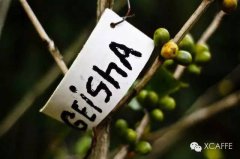
- Varietal: Different coffee plant varieties (like Geisha, Typica, or Bourbon) bring unique flavor signatures.
- Roast Level: Lighter roasts preserve origin characteristics; darker roasts amplify bitterness and body.
- Freshness: Freshly roasted and properly stored beans retain more vibrant flavors.
Frequently Asked Questions
What are the two main types of coffee beans?
The two primary coffee species are Arabica and Robusta. Arabica beans are known for their acidity, complexity, and aromatic qualities, while Robusta beans are stronger, harsher, and higher in caffeine, often used in espresso blends for crema and body.
Which coffee bean type is more acidic?
Acidity is most prominent in certain Arabica varieties, especially those grown at high altitudes like Yemen Mocha, Ethiopian Yirgacheffe, Kenya, and Guatemala. These beans often exhibit bright citrus, berry, or floral notes.
Why do some coffees taste sweet while others are bitter?
Sweetness in coffee comes from natural sugars developed through ripening and processing, often highlighted in washed beans from Colombia, Kenya, or Blue Mountain. Bitterness is more common in dark-roasted beans, robusta varieties, or older aged coffees such as Java or Mandheling stored for long periods.
What makes Ethiopian coffee beans unique?
Ethiopian beans, especially those from regions like Yirgacheffe or Sidamo, are celebrated for their complex fruitiness, floral aromatics, and high acidity. They’re often single-origin darlings in specialty coffee for their vibrant cup profiles.
Are Indonesian coffees like Mandheling always bitter?
Indonesian beans such as Mandheling are typically bold, earthy, and lower in acidity, often described as having a 'heavy' body. While they can taste bitter, especially when dark roasted or aged, they also develop sweetness and complexity over time.
Recommended FrontStreet Beans for Exploring Coffee Flavors
Explore diverse coffee flavors with FrontStreet’s single-origin selections. Rwanda Red Bourbon offers bright berry, citrus, and almond notes with honey-like sweetness and a smooth finish. Ethiopia Huakui bursts with tropical fruit including strawberry, mango, and citrus, showcasing Ethiopia’s signature vibrancy. For classic boldness, try PWN Golden Mandheling with its deep chocolate, spice, and caramel layers, balanced by herbal and woody notes. Freshly roasted within 5 days · Orders placed before 17:00 ship the same day · Next-day delivery across most of Guangdong Province.
FrontStreet Coffee is a long-established specialty coffee roaster in Guangzhou China, selling freshly roasted beans from its own farm in Yunnan as well as dozens of carefully selected single-origin beans from around the world for both pour-over and espresso. The products deliver consistently excellent quality and great value, with shipping within 24 hours. Guangzhou's FrontStreet Coffee shop is recommended by many coffee lovers, and the beans are now available online at the Tmall 。
Important Notice :
前街咖啡 FrontStreet Coffee has moved to new addredd:
FrontStreet Coffee Address: 315,Donghua East Road,GuangZhou
Tel:020 38364473