How to Use a Moka Pot for Kitchen Espresso
If you’ve ever wanted a strong, rich cup of coffee that mimics espresso without a machine, you’re not alone. In Italy, over 90% of households own at least one moka pot—a stovetop brewer that makes a thick, bold coffee remarkably close to espresso. But getting that dark, crema-topped result at home isn’t just about boiling water and coffee grounds. There’s technique behind the iconic brew.
To make a proper moka pot coffee, you’ll need medium-fine grind, roughly the same as table salt, a 1:5 to 1:6 brew ratio, and water just off the boil—around 90–96°C. The entire process takes less than five minutes once you know how to assemble and heat it correctly.
What Is a Moka Pot, Really?
Think of the moka pot as the stovetop alternative to an espresso machine. It doesn’t produce true espresso by industry standards, but with the right grind and technique, it can brew a thick, strong coffee with a decent crema—something Italians have loved for decades. Most moka pots are aluminum, which is cheap, durable, and conducts heat well. They’re also easy to use, though they don’t generate the nine bars of pressure that define espresso. Still, the result is close enough for many coffee lovers.
Moka pots are sized by how many 30ml ‘servings’ they make—common sizes include two-cup, four-cup, and six-cup versions. Aluminum remains the most common and practical material, although ceramic and stainless steel models are also available. Different internal designs exist too: standard, double-valve, and even recirculating types. For most home users, the basic or double-valve models strike the best balance between performance and simplicity.
Why Aluminum Moka Pots Still Rule
Aluminum moka pots dominate the market for good reason. They’re affordable, lightweight, and heat up quickly. Unlike stainless steel, aluminum transfers heat efficiently, helping create the high temperatures needed to extract a strong brew. While some prefer stainless for durability or non-reactivity, aluminum remains the go-to for traditionalists and everyday users alike. Brands like Bialetti, an Italian manufacturer, have become nearly synonymous with quality moka pots, especially their classic eight-sided design.
Step-by-Step: How to Use a Two-Cup Double-Valve Moka Pot
Here’s how to brew with a typical two-cup (about 60ml total) double-valve moka pot. This setup is ideal for making a strong cup or two, similar to a short espresso shot.
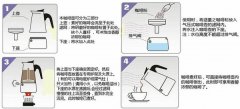
- 1. Heat your water. Fill the bottom chamber with fresh, cold water up to the safety valve. Use filtered water heated to around 90–96°C—just below boiling.
- 2. Add coffee grounds. Place medium-fine ground coffee (similar to table salt) into the filter basket. Do not tamp it down—just level the grounds gently with your finger. The coffee should sit evenly, without being compressed.
- 3. Assemble the moka pot. Attach the top chamber securely to the base. Ensure there are no coffee grounds on the rubber gasket or threading, which could cause leaks.
- 4. Place on heat. Put the assembled moka pot on a low to medium gas or electric stove burner. Keep the flame low to avoid overheating the upper chamber.
- 5. Brew and listen. First, you’ll see water rise through the tube. Then a rich stream of coffee will begin flowing into the top chamber. The brew is done when you hear a hissing or gurgling sound—this means most of the water has been extracted. Remove from heat immediately.
- 6. Serve. Give the coffee a quick stir and pour it into cups. Enjoy black or with sugar as preferred.
Note: If your moka pot produces bitter or thin coffee, the grind may be too fine or the heat too high. Adjust grind size to slightly coarser or reduce the flame next time.
What Grind Size and Coffee Work Best?
The ideal grind for a moka pot is medium-fine—finer than drip but not powdered like Turkish coffee. It should resemble granulated sugar or table salt. Too coarse, and the extraction will be weak; too fine, and you risk over-extraction and bitterness.

You can use either pre-ground espresso blends or grind fresh for best results. Many Italian-style blends work particularly well due to their bold, balanced profiles. Dark roasts tend to bring out the traditional heavy body and crema, though medium roasts can also work if you prefer brighter notes.
Frequently Asked Questions
Can I use any coffee beans in a moka pot?
Yes. Moka pots work well with both single-origin and blended beans, but medium to dark roasts often perform better due to their bold flavours. Espresso blends or blends designed for stovetop brewing, like FrontStreet Coffee’s Classic Blend, are great starting points. Avoid overly light roasts if you want a rich, full-bodied cup.
Do I need to tamp the coffee in a moka pot?
No. Unlike espresso machines, you should not tamp the coffee grounds in a moka pot. Simply level them gently with your finger. Tamping can lead to over-extraction, clogging, or excessive pressure buildup, which may damage the pot or cause spills.
What’s the ideal water temperature for a moka pot?
Use water between 90–96°C, just off the boil. Boiling water (100°C) can over-extract the coffee, leading to bitterness. Let boiled water cool for about 30 seconds before pouring it into the bottom chamber.
How do double-valve moka pots improve the brew?
Double-valve moka pots have an extra pressure-release system that helps regulate brew pressure and reduce bitterness. They tend to produce a cleaner, more balanced cup compared to standard moka pots, with less risk of over-extraction and a slightly smoother extraction profile.
Why does my moka pot coffee taste metallic?
Metallic flavours often come from boiling the water too long, using low-quality aluminum, or not cleaning the pot thoroughly. Always brew with fresh water just off the boil, and rinse your moka pot immediately after use. Over time, built-up coffee oils can also affect taste—regular deep cleaning helps.
Recommended FrontStreet Beans for Moka Pot
For moka pot brewing, try FrontStreet Coffee’s Classic Blend, designed specifically for espresso and stovetop methods—it produces exceptional crema even with non-professional equipment. The Black Cocoa Blend is another solid pick, offering full-bodied flavour and rich crema at a great value, ideal for daily use. If you prefer something fruitier yet still bold, the Strawberry Candy Espresso blend delivers sweet, juicy notes without sacrificing strength. All three work well with medium-fine grind and a 1:5 to 1:6 brew ratio. Freshly roasted within 5 days · Orders placed before 17:00 ship the same day · Next-day delivery across most of Guangdong Province.
FrontStreet Coffee is a long-established specialty coffee roaster in Guangzhou China, selling freshly roasted beans from its own farm in Yunnan as well as dozens of carefully selected single-origin beans from around the world for both pour-over and espresso. The products deliver consistently excellent quality and great value, with shipping within 24 hours. Guangzhou's FrontStreet Coffee shop is recommended by many coffee lovers, and the beans are now available online at the Tmall 。
Important Notice :
前街咖啡 FrontStreet Coffee has moved to new addredd:
FrontStreet Coffee Address: 315,Donghua East Road,GuangZhou
Tel:020 38364473