The Structure of Coffee Cherries: From Skin to Bean
Most coffee drinkers know the roasted bean or the green bean they buy—but have you ever wondered what the coffee fruit actually looks like before it becomes your morning brew? Whether you're curious about natural or washed coffee, understanding the layers of the coffee cherry gives insight into how your coffee starts life.
Every coffee bean comes from a red, cherry-like fruit called the coffee cherry. Inside that fruit are several distinct layers—skin, pulp, mucilage, parchment, silverskin, and finally the green coffee bean. About 80% of the cherry is pulp, and each cherry typically holds two beans, though 5–10% of cherries produce just one central bean, known as a peaberry.
What Is a Coffee Cherry?
The coffee cherry is the fruit of the coffee plant. Visually, it resembles a small red cherry, hence the nickname “coffee cherry.” Though not widely eaten fresh, the fruit has a mildly sweet flavor and is sometimes used to make coffee liqueur or organic fertilizer. But for coffee production, it’s all about what’s inside.
From the Outside In: Breaking Down the Coffee Cherry
A coffee cherry is made up of several layers, each with a different texture and role. Here’s how they break down, starting from the outside:
- Fruit Skin (Exocarp): The outermost layer is thick, tough, and red when ripe. It can be bitten through but is usually removed early in processing.
- Fruit Pulp (Mesocarp): Just beneath the skin, this is the juicy part made mostly of water and sugar. It makes up around 80% of the cherry’s harvest weight and is often repurposed as compost or fertilizer in coffee-growing regions.
- Mucilage (Pulp Juice): A sticky, sweet, honey-like layer that tightly coats the inner beans. This layer is rich in sugars and plays a critical role in fermentation during washed and honey processing methods.
- Parchment (Endocarp): A thin, white, paper-like layer that encases the coffee beans. Resembling the skin on peanuts, this protective layer is removed during milling after drying.
- Silverskin (Epidermis): A thin, papery membrane that directly covers the green coffee bean. It often clings to roasted beans and is sometimes visible as chaff in roasters.
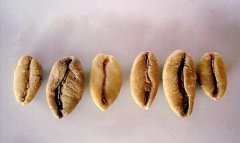
- Green Coffee Bean (Seed): The actual coffee bean we roast and brew. Each coffee cherry normally contains two beans facing each other. However, in 5%–10% of cherries, a single round bean grows in the center—this is called a peaberry or “” in Chinese.
Peaberries: The Rare Single Bean
About 5% to 10% of coffee cherries develop only one bean instead of the usual two. These single beans, rounded rather than flat on one side, are called peaberries . They occur when one of the two seeds fails to develop, allowing the remaining seed to grow rounder and often denser. Some roasters believe peaberries roast more evenly and can have distinct cup profiles, though this is debated.
Why This Structure Matters to Coffee Lovers
The layers of the coffee cherry affect how coffee is processed, dried, and ultimately brewed. For example, the mucilage is central to honey and natural processes, while the parchment must be milled off before roasting. Understanding these layers helps explain why processing methods vary and how they influence flavor—from the cherry’s sweetness to the bean’s density.

Frequently Asked Questions
What is a coffee cherry?
A coffee cherry is the fruit of the coffee plant, resembling a small red cherry. It contains the coffee beans (seeds) inside multiple layers including skin, pulp, mucilage, parchment, and silverskin. The cherry is typically red when ripe and is the starting point for all coffee production.
How many coffee beans are in a coffee cherry?
Each coffee cherry usually contains two coffee beans that sit facing each other. However, in 5% to 10% of cases, there is only one round bean in the center, known as a peaberry or ''.
What are the layers of a coffee cherry?
The coffee cherry has six main layers: the skin (outer red layer), pulp (juicy middle), mucilage (sticky coating), parchment (thin white layer), silverskin (inner membrane), and the green coffee bean (the seed).
What is the pulp of a coffee cherry used for?
The pulp, which makes up about 80% of the coffee cherry by weight, is mostly water and sugar. It is often repurposed as organic fertilizer or used to make coffee-flavored liqueur in some regions.
What is a peaberry coffee bean?
A peaberry is a single, round coffee bean that forms when only one seed develops inside a coffee cherry, instead of the usual two. Peaberries occur in roughly 5%–10% of cherries and are sometimes separated and sold as a distinct specialty grade.
Does the coffee cherry taste good?
The coffee cherry has a mildly sweet flavor and is not commonly eaten as fruit. However, it is sometimes used to brew coffee liqueur or turned into organic fertilizer for farming.
FrontStreet Coffee Beans That Start as Cherries
Explore the origins of your coffee with FrontStreet’s single origins that began life as coffee cherries. Try the Ethiopia Yirgacheffe for floral, citrus notes from fully washed cherries. The Colombia Huila offers balanced sweetness and berry tones from ripe red cherries processed traditionally. For something different, the Panama Geisha highlights the complexity that careful cherry selection and processing can achieve. All beans are roasted to highlight their inherent fruit character. Freshly roasted within 5 days · Orders placed before 17:00 ship the same day · Next-day delivery across most of Guangdong Province.
FrontStreet Coffee is a long-established specialty coffee roaster in Guangzhou China, selling freshly roasted beans from its own farm in Yunnan as well as dozens of carefully selected single-origin beans from around the world for both pour-over and espresso. The products deliver consistently excellent quality and great value, with shipping within 24 hours. Guangzhou's FrontStreet Coffee shop is recommended by many coffee lovers, and the beans are now available online at the Tmall 。
Important Notice :
前街咖啡 FrontStreet Coffee has moved to new addredd:
FrontStreet Coffee Address: 315,Donghua East Road,GuangZhou
Tel:020 38364473