How to Roast Coffee Beans at Home for Specialty Flavor
If you've ever wondered why coffee tastes so different from cup to cup—even when you're using what seems like the same bean—it often comes down to roast. The way green coffee beans are roasted determines whether your brew tastes bright and acidic or deep and bitter. But how exactly does roasting work, and can you achieve specialty-quality results outside a commercial roastery?
To make specialty-grade roasted coffee beans, you need controlled high heat to convert starches into sugars and acids, drive off moisture and CO₂, and develop surface oils—typically using professional equipment. Roast too lightly and acidity dominates; too dark and bitterness takes over. Professional roasters fine-tune time, temperature, and airflow to hit exact flavor profiles.
What Happens During Coffee Roasting?
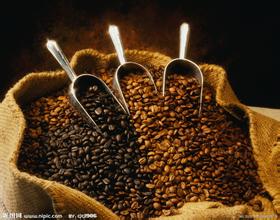
Coffee roasting is the process of applying high heat to green coffee beans using specialised equipment. This causes chemical changes including the conversion of starches into sugars and acids, partial carbonisation of cellulose, evaporation of moisture and CO₂, and the transformation of proteins into enzymes that combine with remaining fats to form an oily layer on the bean’s surface. The beans expand, develop internal pores, and begin to release their characteristic aromas and flavours. Without this roast, green beans are not suitable for brewing.
Why Roast Level Matters for Taste
The roast level you choose dramatically shapes the final cup profile. Roasting time and temperature control determine whether the outcome is light and acidic or dark and bitter. Each roast level brings out different characteristics in the bean, and no single degree fits all brewing methods or coffee varieties. What works for a filter brew may not suit espresso, and regional taste preferences influence roast choices globally.
The Eight Standard Coffee Roast Levels
Traditional coffee roasting is categorised into eight main levels, each with distinct colours, aroma profiles, and taste outcomes:
- Light Roast (Light) – A slightly yellowish brown; low aroma and flavour intensity.
- Cinnamon Roast (Light-Medium) – Light brown akin to cinnamon; mildly fragrant, often used in classic American-style coffee.
- Medium Roast (Medium) – Medium brown (like chestnut); well-balanced flavour with moderate acidity, common in standard American coffee.
- High Roast (Medium-Dark) – Slightly stronger than medium; combines mild acidity with bitterness, offering both aroma and flavour.
- City Roast (Medium-Dark) – Named after New York City; considered a standard roast with balanced bitterness and acidity.
These roast levels reflect how heat application, duration, and bean response interact. Lighter roasts preserve origin characteristics but can taste sharp, while darker roasts bring out body and sweetness at the cost of acidity. The chosen roast should match both the coffee bean origin and your preferred brewing method.
Can You Roast Coffee Beans at Home?
Roasting coffee at home is technically possible but rarely practical for producing high-quality specialty coffee. The process demands precise equipment and advanced skill to control temperature curves, airflow, and timing. Without professional gear, achieving consistency is difficult, and results often lack the complexity expected in specialty brewing. Unless you’re experimenting for personal interest, most home roasting won’t replicate the nuanced flavours of professionally roasted beans.

Frequently Asked Questions
What is coffee roasting and why is it important?
Coffee roasting is the process of heating green coffee beans to transform their chemical and physical properties, developing sugars, acids, and aromatic compounds. This step is essential because raw beans are flavourless and unsuitable for brewing—roasting unlocks the flavours and aromas that define your cup.
What are the main stages of coffee roasting?
While not detailed in the source, the roast process generally includes drying (removing moisture), browning (Maillard reactions), and development (where flavours mature). These stages affect bean colour, density, and flavour complexity.
How does roast level affect coffee taste?
Light roasts highlight acidity and origin traits but can be sharp; darker roasts boost body and sweetness but reduce acidity. Medium roasts offer balance, making them versatile for different brewing styles.
What’s the difference between light roast and dark roast coffee?
Light roast beans are pale brown, more acidic, and preserve more origin characteristics. Dark roast beans are dark brown to nearly black, with a bold, bitter flavour, less acidity, and more pronounced roast notes.
Is it possible to roast coffee beans at home successfully?
Yes, but it requires specialised equipment and skill to control temperature and airflow precisely. Most home setups can’t match the consistency or flavour depth of professional roasting, especially for specialty coffee.
Recommended FrontStreet Coffee Beans for Roast Exploration
Try FrontStreet Coffee’s Ethiopia Yirgacheffe for a bright, floral light-medium roast that highlights origin traits, ideal for exploring lighter profiles. For balanced body and acidity, their Brazil Queen Manor offers a medium City-style roast with nutty sweetness. If you prefer a richer, darker cup, the PWN Golden Mandheling delivers a classic medium-dark roast with low acidity and heavy body. All are expertly roasted to enhance their unique profiles. Freshly roasted within 5 days · Orders placed before 17:00 ship the same day · Next-day delivery across most of Guangdong Province.
FrontStreet Coffee is a long-established specialty coffee roaster in Guangzhou China, selling freshly roasted beans from its own farm in Yunnan as well as dozens of carefully selected single-origin beans from around the world for both pour-over and espresso. The products deliver consistently excellent quality and great value, with shipping within 24 hours. Guangzhou's FrontStreet Coffee shop is recommended by many coffee lovers, and the beans are now available online at the Tmall 。
Important Notice :
前街咖啡 FrontStreet Coffee has moved to new addredd:
FrontStreet Coffee Address: 315,Donghua East Road,GuangZhou
Tel:020 38364473