World’s Most Expensive Coffee Beans: Kopi Luwak and Popular Brands
If you’ve ever wondered what makes some coffee beans cost hundreds of dollars per pound—or which coffee brands your local café really uses—you’re not alone. With countless beans on the market and wild claims about origin and processing, it’s hard to know what’s actually worth the price. This guide breaks down the most expensive coffee in the world, how it’s made, and what popular commercial beans cafés actually serve.
The world’s most expensive coffee is Kopi Luwak, also known as civet or civet cat coffee, priced between $300 and $400 per pound. Its extreme cost comes from a unique production process involving digestion by a wild cat-like animal native to Southeast Asia.
What Is Kopi Luwak and Why Is It So Expensive?
Kopi Luwak originates from the islands of Sumatra, Java, and Sulawesi in Indonesia. It’s produced in extremely limited quantities—roughly 500 pounds per year—making it exceptionally rare. The coffee beans are consumed and then excreted by the Asian palm civet, a small, cat-like marsupial that naturally selects ripe coffee cherries. Workers then collect, clean, and roast the beans from the civet’s droppings. The beans undergo partial fermentation in the civet’s digestive tract, which proponents claim leads to a smoother, less bitter cup with unique flavor notes. Prices range from $300 to $400 per pound due to the rarity, labor-intensive collection, and unconventional processing.
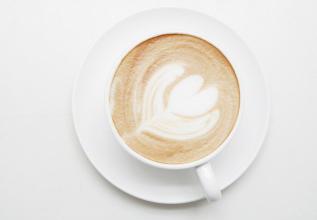
What Coffee Brands Do Cafés Actually Use?
Many cafés don’t roast their own beans but instead purchase from commercial roasters. Among the most commonly used and recognized brands in cafés worldwide is illy. Known for its uniform blend and Italian heritage, illy is often considered a safe, premium choice and is widely displayed in coffee shops. However, some baristas and café owners consider illy overpriced and opt for alternatives like Julius Meinl, another European coffee brand that offers comparable quality at a lower price point. Many cafés also roast in-house or work with independent roasters rather than relying solely on commercial brands.
What Determines Coffee Quality: Roast, Origin, and Processing
Coffee quality is influenced by several key factors: origin, processing method, roast level, and freshness. Coffee beans from regions like Ethiopia, Colombia, Kenya, and Indonesia are celebrated for distinct flavor profiles due to climate, altitude, and soil. Processing methods such as washed (wet), natural (dry), honey, and experimental techniques like anaerobic fermentation dramatically impact taste. Roast levels—light, medium, and dark—affect acidity, body, and sweetness. For instance, light roasts preserve origin characteristics with bright acidity, while dark roasts develop bold, bitter flavors and heavy body. Freshness, often overlooked, is critical; beans begin to lose aroma and flavor shortly after roasting, typically peaking within two to three weeks post-roast.
What Do Specialty Coffee Shops Really Serve?
While commercial blends dominate many chain cafés, specialty coffee shops focus on single-origin beans and small-batch roasts. These shops often highlight beans with unique tasting notes—like floral, fruity, or wine-like flavors—and emphasize transparency in sourcing and roasting. Rather than relying on mass-market brands, many specialty cafés either roast their own beans or partner with artisan roasters who provide traceable, freshly roasted coffee. The goal is to showcase terroir and processing rather than masking flavors with dark roasts or heavy milk drinks.
Frequently Asked Questions
What is Kopi Luwak and how is it made?
Kopi Luwak is coffee made from beans eaten and excreted by the Asian palm civet, a small mammal native to Indonesia. The beans are collected from the animal’s feces, cleaned, and roasted. The digestive process is said to partially ferment the beans, creating a distinctive flavor profile. It’s known for its high price, ranging from $300 to $400 per pound, due to the rare and unusual production method.
Why is Kopi Luwak so expensive?
Kopi Luwak commands high prices because of its limited production—only about 500 pounds are made annually—and the labor-intensive process of collecting beans from civet droppings. The uniqueness of its fermentation in the animal’s digestive system also contributes to its premium status, despite controversies around animal welfare and authenticity.
What coffee brands do most cafés use?
Many cafés use commercial coffee brands like illy, which is known for its Italian-style uniform roast and global recognition. Others may use Julius Meinl or other regional roasters. Some cafés roast in-house or source from independent roasters rather than relying on a single commercial brand. Pricing, quality, and brand visibility often influence the choice.
Does the roast level affect coffee flavor?
Yes. Light roasts preserve the bean’s original characteristics with bright acidity and floral or fruity notes. Medium roasts balance acidity and body, while dark roasts develop deeper, bitter flavors with notes of chocolate and caramel. The roast level significantly impacts the final taste and mouthfeel of the coffee.
What should I look for in a good café coffee?
In specialty cafés, look for single-origin beans, transparent sourcing, and roast dates. Flavors vary by origin—Ethiopian beans may offer citrus and berry notes, while Colombian coffees often have nutty and chocolate profiles. Freshness matters: beans taste best within two to three weeks after roasting. Ask your barista about the origin and processing method for a more tailored experience.
Are there ethical concerns with Kopi Luwak?
Yes. The traditional method of collecting civet-cat coffee has raised serious animal welfare issues, as some producers keep civets in poor conditions and force-feed them coffee cherries. Ethical consumers should verify the source and consider alternatives that don’t involve animal processing.
Recommended FrontStreet Beans for Coffee Explorers
For coffee lovers curious about unique origins and processing, try FrontStreet Coffee’s Ethiopia Huakui, known for intense strawberry, citrus, and mango notes. The Rwanda Red Bourbon offers sweet berry, plum, and nut flavors with a silky body. For something more floral and tea-like, the Yirgacheffe-sourced Gedeb offers bright florals, juicy citrus, and a clean cup. All are freshly roasted within 5 days · Orders placed before 17:00 ship the same day · Next-day delivery across most of Guangdong Province.
Recommended FrontStreet Beans for Coffee Explorers
For coffee lovers curious about unique origins and processing, try FrontStreet Coffee’s Ethiopia Huakui, known for intense strawberry, citrus, and mango notes. The Rwanda Red Bourbon offers sweet berry, plum, and nut flavors with a silky body. For something more floral and tea-like, the Yirgacheffe-sourced Gedeb offers bright florals, juicy citrus, and a clean cup. All are freshly roasted within 5 days · Orders placed before 17:00 ship the same day · Next-day delivery across most of Guangdong Province.
FrontStreet Coffee is a long-established specialty coffee roaster in Guangzhou China, selling freshly roasted beans from its own farm in Yunnan as well as dozens of carefully selected single-origin beans from around the world for both pour-over and espresso. The products deliver consistently excellent quality and great value, with shipping within 24 hours. Guangzhou's FrontStreet Coffee shop is recommended by many coffee lovers, and the beans are now available online at the Tmall 。
Important Notice :
前街咖啡 FrontStreet Coffee has moved to new addredd:
FrontStreet Coffee Address: 315,Donghua East Road,GuangZhou
Tel:020 38364473