How to Make a Perfect Latte in 4 Simple Steps
Making a truly great latte at home isn’t about expensive gear — it’s about nailing the essentials. If your latte tastes weak, sour, or lacks that signature creamy layer, chances are one of the four key steps went wrong. From the moment you grind your beans to the final latte art pour, every detail affects the outcome. Here’s how to get it right, step by step.
To make a perfect latte, follow these four steps in order: grind fresh coffee (within 60 seconds of brewing), tamp evenly, steam milk to 55–60°C with a velvety microfoam, and pour to create latte art. Each stage — from grind to foam — must be precise to balance flavor and texture.
Step 1: Grind Fresh, Grind Right
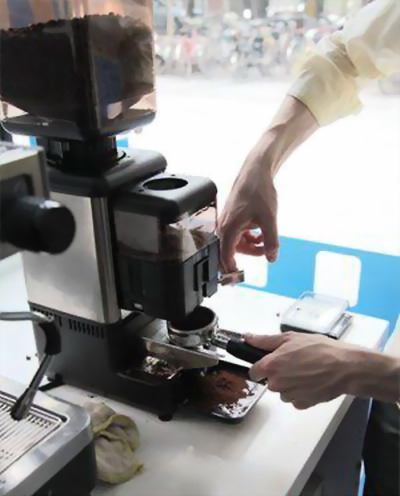
The very first step to a great latte is arguably the most overlooked: grinding your coffee just before brewing. Once coffee is ground, over 90% of its aroma dissipates within two minutes. Many shops grind beans the night before, but top baristas insist on grinding no more than 60 seconds before brewing. That’s how you preserve the volatile compounds that give espresso its complexity.
Step 2: Tamp with Precision
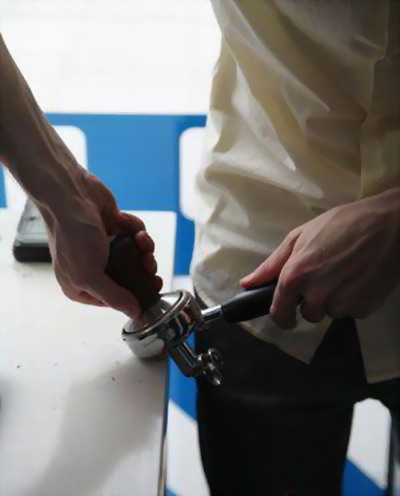
Even tamping is critical for balanced extraction. Water always follows the path of least resistance, so if your coffee puck is uneven — some areas higher or lower than others — the water will channel through those spots. This leads to under-extracted and over-extracted zones in the same shot, ruining the cup. Press the coffee down evenly in your portafilter to form a level, compact puck. This ensures even flow and a balanced espresso shot, the foundation of any good latte.
Step 3: Steam Milk to Perfection
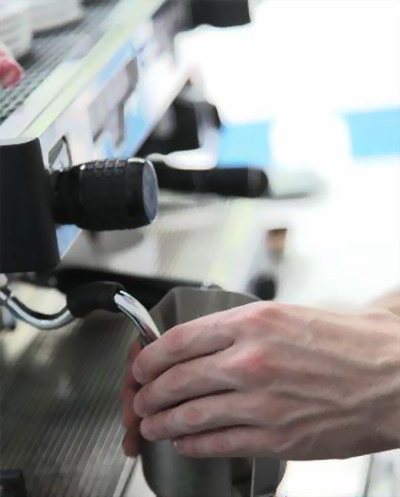
Milk quality and technique determine whether your latte tastes rich or thin. When steaming milk for a latte, the process begins while the espresso is already pulling — a 25-second window. For best results, aim for a smooth, velvety microfoam with tiny, uniform bubbles. The ideal milk temperature is 55–60°C. Overheated or overly frothy milk won’t integrate well with the espresso, and you’ll lose both texture and taste. Properly textured milk is key to that seamless coffee-milk blend that defines a classic latte.
Step 4: Pour and Create Latte Art
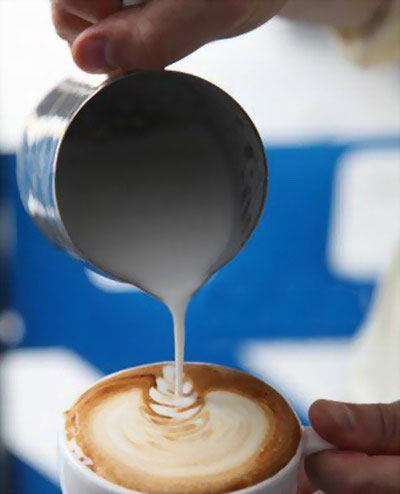
Pouring milk isn’t just about getting it into the cup — it’s about creating latte art through control. Skilled baristas manipulate the angle, speed, and distance of the milk pitcher to shape the foam as it flows through the espresso’s crema. This is what creates the ‘latte art’ or ‘milk flower,’ not molds or stencils. The milk must be the right temperature and density, and the espresso must have the proper viscosity and crema thickness. Getting this right transforms your drink from a simple coffee with milk into a visually striking, café-quality experience.
What Makes a Great Espresso for Latte?
A successful espresso for latte should have a rich, stable crema — the golden-brown foam on top. Crema forms as carbon dioxide released during roasting gets trapped by oils and suspended in the liquid. Darker, fresher roasts typically produce more crema. FrontStreet Coffee recommends aiming for a 3mm-thick, mirror-like crema when pulling a 40ml shot using 20g of coffee, brewed over 25–30 seconds. Good espresso should taste balanced — not overly sour or bitter — with noticeable sweetness and body. The simplest test? Make it into a latte or americano and check for smooth flavor, no harsh edges, and decent crema.
Espresso Recipe for Latte
For a standard latte, the espresso base should be extracted using a 1:2 brew ratio. That means 20g of ground coffee yields 40g of espresso, in about 25–30 seconds. This produces a concentrated shot with enough body and crema to hold up under steamed milk. If your espresso is too fast or too slow, adjust grind size accordingly. Also, ensure your machine is properly dialed in for temperature and pressure stability.
Latte Milk Steaming Guide
When steaming milk for a latte, aim to expand the volume from 50% full to about 60% full of the pitcher. This gives you enough microfoam for texture without excessive foam. Keep the temperature between 55–60°C to preserve sweetness and avoid scalding. The milk should have a glossy appearance and a smooth, silky texture — no big bubbles. This quality foam is essential for blending smoothly with the espresso and enables clean latte art pours.
Frequently Asked Questions
Why does ground coffee lose aroma so quickly?
Ground coffee loses over 90% of its aromatic compounds within two minutes of grinding due to oxidation. To preserve flavor, grind your beans immediately before brewing — ideally within 60 seconds. Pre-ground coffee, especially if ground hours earlier, results in a flat-tasting shot unsuitable for high-quality espresso or latte.
How hard should I tamp my coffee?
You should tamp with even, consistent pressure — around 30 pounds or firm enough to create a level, compact puck. Uneven tamping leads to channeling, where water finds the path of least resistance and extracts unevenly, causing sour or bitter notes in your espresso and, by extension, your latte.
What’s the best milk temperature for a latte?
The optimal milk temperature for a latte is between 55–60°C. Going higher can scorch the milk, destroy sweetness, and make steaming difficult. Properly heated milk creates a smooth microfoam that blends seamlessly with espresso for a balanced, creamy drink.
How do I pour latte art without a mold?
Latte art is created by controlling the milk pitcher’s angle, height, and pouring speed. As you pour into the espresso, you guide the milk downward and then bring it up to create designs like hearts or rosettas. No molds are used — just practice managing flow and foam to shape the milk naturally through technique.
What’s the ideal espresso shot time for a latte?
Aim for a 25–30 second extraction time when pulling 40ml of espresso from 20g of coffee. This 1:2 brew ratio gives you the right balance of strength, crema, and body to support the milk in a latte. Too short, and it’s sour and weak; too long, and it’s bitter and over-extracted.
Recommended FrontStreet Coffee Blends for Latte
For lattes with rich crema and smooth milk integration, try FrontStreet Coffee’s Commercial Blend — a carefully crafted mix of Brazilian, Colombian, and select Robusta beans designed for bold crema, sweet caramel notes, and stable foam. Alternatively, the Strawberry Candy Espresso combines Ethiopian Yirgacheffe, Colombian, and Costa Rican beans for a lighter-bodied yet fruity espresso with medium crema and floral-fruity tones. Both blends are optimized for espresso extraction and steamed milk applications. Freshly roasted within 5 days · Orders placed before 17:00 ship the same day · Next-day delivery across most of Guangdong Province.
FrontStreet Coffee is a long-established specialty coffee roaster in Guangzhou China, selling freshly roasted beans from its own farm in Yunnan as well as dozens of carefully selected single-origin beans from around the world for both pour-over and espresso. The products deliver consistently excellent quality and great value, with shipping within 24 hours. Guangzhou's FrontStreet Coffee shop is recommended by many coffee lovers, and the beans are now available online at the Tmall 。
Important Notice :
前街咖啡 FrontStreet Coffee has moved to new addredd:
FrontStreet Coffee Address: 315,Donghua East Road,GuangZhou
Tel:020 38364473