What Are Coffee Beans? Types, Effects, and How to Choose Them
If you’ve ever wondered what those small, hard beans in your coffee bag really are—where they come from, why they taste the way they do, and whether you’re buying quality—you’re not alone. Most coffee drinkers never think about the bean itself until something tastes off. But knowing your coffee beans is the first step to better brewing.
Coffee beans start yellow or dark green when raw, then turn dark brown after roasting, developing a distinct aroma and slightly bitter, astringent flavor. Roasted beans contain 1.3% caffeine along with other compounds that deliver both stimulation and potential digestive benefits.
What Are Coffee Beans?
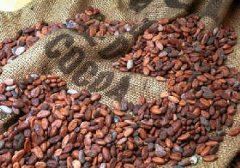
Coffee beans are the seeds of the Coffea plant, commonly processed, roasted, and brewed to make coffee. When unroasted (green), they appear yellow or dark green. Once roasted, they turn a deep brown color and emit a rich, characteristic aroma. These roasted beans carry the flavors and compounds that define your cup of coffee.
What Does Coffee Do? Effects and Benefits
Coffee’s primary active compound is caffeine, present at around 1.3% in roasted beans. Caffeine is a bioactive stimulant known for its effects on the central nervous system. It can promote alertness, temporarily sharpen focus, and boost energy levels. Additionally, caffeine stimulates the breakdown of liver glycogen, raising blood sugar. This makes coffee useful for combating fatigue, especially post-exercise. Roasted coffee also contains cafestol, which may offer mild digestive aid. However, moderation is important: overconsumption can lead to side effects such as tremors, muscle tension, rapid heartbeat, and nausea.
How to Identify Fresh, High-Quality Coffee Beans
Fresh coffee beans look uniform in color without spots or discoloration. They have a strong, pleasant aroma and produce a crisp, audible snap when bitten. Good beans feel solid, have a full shape, and come in well-sealed packaging that prevents air exposure. If your beans smell stale or off, they are likely past their prime and should not be used. Visual and sensory checks are key indicators of bean freshness.
Coffee Bean Preparation: What to Watch Out For
While moderate coffee consumption is generally safe, excessive intake can cause negative physical reactions. Too much caffeine may lead to vomiting, muscle spasms, increased heart rate, trembling, and rapid breathing. These symptoms reflect the stimulant’s impact on the nervous and muscular systems and are signs you’ve exceeded a healthy dose.
Coffee Bean Consumption: Who Should Avoid It?
Certain individuals are advised to limit or avoid coffee. People with cardiovascular conditions, gastric disorders, or vitamin B1 deficiency, as well as pregnant women, older women, and cancer patients, may experience worsened symptoms with caffeine intake. Sensitivity varies, but for these groups, decaffeinated alternatives or abstention is often recommended.
Frequently Asked Questions
What color are raw coffee beans?
Unroasted (green) coffee beans are typically yellow or dark green in color. Their hue depends on the variety and processing stage, but they lack the brown tone associated with roasted beans.
What does roasted coffee smell like?
Roasted coffee beans have a strong, distinctive aroma that develops during the roasting process. This scent is often rich, nutty, or sometimes fruity, depending on roast level and origin.
How much caffeine is in coffee beans?
Roasted coffee beans generally contain around 1.3% caffeine by weight. This is the compound responsible for coffee’s stimulating effects.
How can I tell if coffee beans are fresh?
Fresh coffee beans have a uniform color, no spots, a bold aroma, and a crisp sound when bitten. Stale beans lose fragrance or develop off odors and should not be used.
Is it bad to drink too much coffee?
Yes. Excessive coffee intake can cause vomiting, muscle tremors, rapid heartbeat, and other symptoms due to overstimulation from high caffeine levels.
Who should avoid drinking coffee?
People with heart disease, stomach issues, vitamin B1 deficiency, pregnant or older women, and cancer patients are often advised to limit or avoid coffee.
Recommended FrontStreet Coffee Beans for Exploration
For those looking to explore quality coffee beans, FrontStreet Coffee offers several single origins ideal for learning about origin flavor. Their Ethiopia Humbera features bright citrus and floral notes, while Brazil Queen Manor presents a nutty, chocolatey profile great for espresso. Both showcase how roast level and origin affect taste. Freshly roasted within 5 days · Orders placed before 17:00 ship the same day · Next-day delivery across most of Guangdong Province.
FrontStreet Coffee is a long-established specialty coffee roaster in Guangzhou China, selling freshly roasted beans from its own farm in Yunnan as well as dozens of carefully selected single-origin beans from around the world for both pour-over and espresso. The products deliver consistently excellent quality and great value, with shipping within 24 hours. Guangzhou's FrontStreet Coffee shop is recommended by many coffee lovers, and the beans are now available online at the Tmall 。
Important Notice :
前街咖啡 FrontStreet Coffee has moved to new addredd:
FrontStreet Coffee Address: 315,Donghua East Road,GuangZhou
Tel:020 38364473