
Coffee Farm
Latest articles, industry insights and brewing guides

What Makes Rwandan Coffee Beans Special?
Rwandan washed Arabica beans deliver bright, clean flavors with grassy notes. Learn their unique profile and pricing as specialty-grade African coffee.

Kenya Coffee Beans: Price, Flavor, and Why They're Special
Kenya AA coffee is famed for balanced acidity and fruity complexity. Learn why it's prized by roasters and what affects its price.

Why Kenyan Coffee Tastes Like Fruit
Kenyan coffee offers a bright, fruity profile with blackberry and grapefruit notes—here’s why it stands out, especially as an iced brew.

What Makes Kenyan Coffee Beans So Special?
Kenyan coffee is prized for its intense aromatics, balanced acidity, and rich fruit flavors—here’s why it’s considered one of the world’s finest.
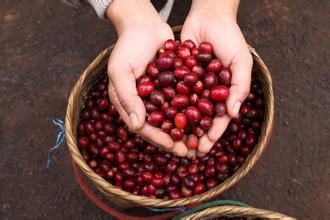
Where Does Ethiopian Coffee Come From? Origins & Key Regions
Explore Ethiopia’s role as the birthplace of coffee, its wild-growing varieties, and the unique highland regions producing world-renowned beans.

What Makes Ethiopian Coffee Beans Unique?
Learn why Ethiopian coffee stands out, from its wild origins and unique flavor to its ideal growing altitudes and brewing tips.
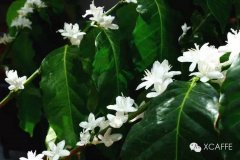
How Kenya Produces Its Famous Specialty Coffee Beans
Kenya’s strict coffee regulations, elite buyers, and consistent auctions ensure high-quality beans. Discover how it maintains excellence.
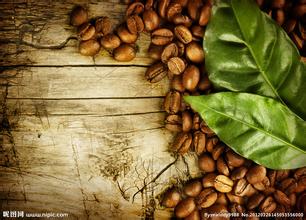
Colombian Coffee Beans: Origins, Flavor & Production
Learn why Colombia is the world’s second-largest coffee producer, famed for its balanced washed Arabica and ideal high-altitude growing regions.
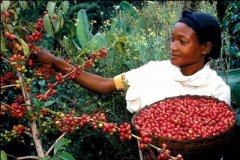
The Origins of Kenyan Coffee and How It’s Grown
Learn how Kenyan coffee began in the early 1900s, where it grows, and why smallholder farmers deliver such high-quality washed beans.
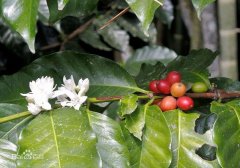
Kenya Nyeri Gatugi AA Washed Coffee Beans
Kenya Nyeri Gatugi AA offers floral, blackcurrant, and cranberry notes. Grown at 1600–2300m by smallholders, processed at Gatugi with SL28 & SL34.

Colombian Coffee Beans: How They’re Grown and Brewed
Learn how Colombia became the world’s second-largest coffee producer, its unique growing regions, and why its washed beans stand out globally.

Colombian Coffee Beans: Origins and Specialty Profile
Learn how Colombia became the world’s second-largest coffee producer, its key regions, and what makes its beans globally prized.
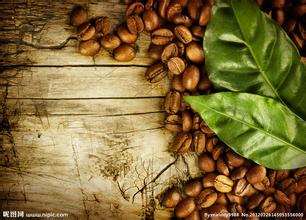
What Makes Colombian Coffee Beans Special?
Colombia is the world’s second-largest arabica producer, known for balanced washed beans with smooth, sweet profiles and year-round harvests.
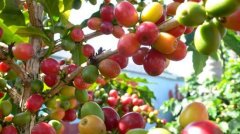
Kenyan Coffee Flavor from High-Altitude Beans
Kenyan coffee grows at 1500–2100m altitude, harvested twice yearly, known for bright citrus fruitiness, winey flavors, and balanced acidity.

High-Grown Panamanian Coffee Beans Explained
Panamanian coffee grows best in high-altitude zones, producing bright, balanced beans—most exported to France and Finland.
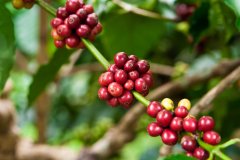
What Is Aged Mandheling Coffee?
Aged Mandheling coffee develops a sweet, smooth profile as acids mellow over time—learn how it transforms from sharp to silky.
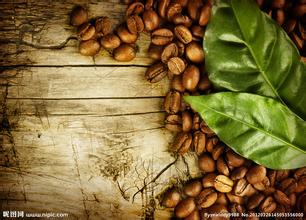
What Makes Panamanian Coffee Beans Special?
Discover why Panamanian coffee is known for its smoothness, acidity, and unique origin flavors, especially from high-altitude regions.

What Is Kopi Luwak and How Is It Made?
Learn how civet coffee is produced, why it costs hundreds per pound, and whether its legendary flavor justifies the price.
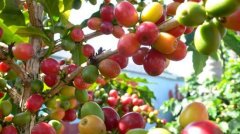
How Brewing Method Changes Indonesian Coffee Flavor
Explore how drip, immersion, pressure, and rapid brewing affect the taste of Indonesian Mandheling coffee, with grind and timing details.

What Is Kopi Luwak Coffee and Why Is It So Expensive?
Kopi Luwak, or civet coffee, is made from beans excreted by civets. Learn how it’s produced, why it costs hundreds per pound, and what it really tastes like.