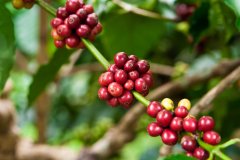
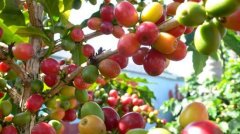
High-Grown Panamanian Coffee Beans Explained
If you've ever wondered why Panamanian coffee tastes so distinctly bright, balanced, and floral, the answer starts with elevation. Unlike lower-grown beans, those cultivated at altitude develop slower, concentrating flavors and acids into a more complex cup. But not all Panamanian coffee is created equal—and much of the very best still doesn’t make it to local markets.
In short: Panama’s finest coffee is grown above 6,500 feet in volcanic soil, especially around Boquete and Volcán Barú, where cool air and microclimates create ideal conditions. The best lots are small, handpicked, and mostly exported to France and Finland—especially during the first November harvest.
Why Elevation Matters in Panamanian Coffee
Panama’s top-tier coffee comes from high-altitude farms, typically 1,500 to over 2,000 meters (roughly 5,000 to 6,500 feet) above sea level. At these heights, cooler temperatures slow the coffee cherry’s maturation, allowing more complex sugars and acids to develop. This results in a cup that’s lighter in body, higher in acidity, and layered with delicate fruit and floral tones. These qualities define the country’s reputation in specialty coffee.
Where the Best Panamanian Coffee Is Grown
The prime coffee-growing regions lie in the northwestern part of Panama, close to the border with Costa Rica and facing the Pacific Ocean. The Chiriquí province, particularly the Boquete district, is internationally recognized for producing standout lots. Other notable areas include David, Remacimeinto, Bugaba, and Tole districts. The volcanic soils here—especially around the Barú volcano—are rich in nutrients, contributing to the distinct aromatic complexity of the beans. <

The Rise of Panamanian Geisha and Key Varieties
Although early Panamanian coffee had little global presence, the rise of the Geisha variety—originating from Ethiopia’s Gori Gesha forest—changed everything. Grown almost exclusively to high standards in Panama, Geisha shot to fame for its unique jasmine, tropical fruit, and honey-like profiles, especially under light roasting. Though Geisha is now planted in many countries, Panama remains the only region where it consistently wins global cupping competitions. The 1994 Volcán Barú coffee, though not Geisha, was an early high-elevation success, producing 2,000 bags that year—1% of the national output.
Frequently Asked Questions
Where in Panama is the best coffee grown?
The best Panamanian coffee comes from the high-altitude regions in the northwest, especially Boquete and areas near Volcán Barú in Chiriquí province. Other notable districts include David, Remacimeinto, Bugaba, and Tole. These areas benefit from volcanic soil and cool microclimates created by altitude.
What makes Panamanian coffee different?
Panamanian coffee is known for being smooth, light-bodied, and balanced with bright acidity. Its uniqueness comes from high elevation farming, volcanic soils, and a focus on specialty-grade processing—especially for varieties like Geisha, which develop intense floral and fruity notes.
When is Panamanian coffee harvested?
The first harvest of Panama’s highest-quality coffee typically begins in November. These early lots are often the most sought-after and are usually exported quickly, mainly to markets like France and Finland.
Why is elevation important for coffee flavor?
Higher elevations mean cooler temperatures, which slow the growth of coffee cherries. This extended growing period allows cherries to develop more sugars and acids, resulting in a more complex, flavorful, and aromatic cup—key traits in specialty coffee.
Is Volcán Barú coffee still produced today?
Yes, coffee from the Volcán Barú region is still produced, though it may no longer account for just 1% of national output as it did in 1994. The region remains one of Panama’s key high-altitude coffee zones, known for quality and unique microclimates.
Recommended FrontStreet Coffee Beans from Panama
For a true taste of Panama’s high-altitude terroir, try the FrontStreet Panama Boquete Geisha—renowned for its juicy profile, with notes of mango, bergamot, and honeysuckle. For something more classic yet complex, the FrontStreet Panama Huacai offers bright citrus, brown sugar, and almond, grown in the volcanic-rich Boquete area. Both beans highlight the floral and fruit-forward characteristics Panama is famous for. Freshly roasted within 5 days · Orders placed before 17:00 ship the same day · Next-day delivery across most of Guangdong Province.
FrontStreet Coffee is a long-established specialty coffee roaster in Guangzhou China, selling freshly roasted beans from its own farm in Yunnan as well as dozens of carefully selected single-origin beans from around the world for both pour-over and espresso. The products deliver consistently excellent quality and great value, with shipping within 24 hours. Guangzhou's FrontStreet Coffee shop is recommended by many coffee lovers, and the beans are now available online at the Tmall 。
Important Notice :
前街咖啡 FrontStreet Coffee has moved to new addredd:
FrontStreet Coffee Address: 315,Donghua East Road,GuangZhou
Tel:020 38364473