
Coffee Farm
Latest articles, industry insights and brewing guides
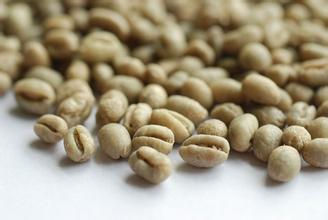
The China Coffee Network recommends the washing treatment of Kaddura and Tibica in the Millennium Manor of Colombian coffee beans.
The history of Colombian coffee dates back to 1808. A priest brought coffee to Colombia for the first time from the French Antilles via Venezuela. The suitable climate in Colombia provides a real natural pasture for coffee. Since then, coffee trees have taken root in this country. The country has also become the second largest coffee producer after Brazil and the world's largest Arabica coffee.
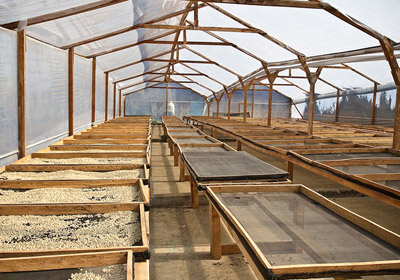
China Coffee Network recommends Royal Coffee Black Coffee from St. Roman processing Plant in Tarazu, Costa Rica.
The best coffee in Costa Rica seems to come from small processing plants, spread across several major coffee producing areas, including Tarazu and the western valley. This so-called coffee revolution originated 15 years ago and has greatly changed the way bean baking experts and importers think about Costa Rican coffee. Take the processing plant as the center, collect coffee beans from the surrounding small farms for processing, most of these farms are small societies

American Coffee Recommended Hawaii Kona Boutique Coffee Kona Coffee Introduction Kona Coffee Taste
The world famous Hawaiian Kona is a sweet and sour coffee bean. The unique growth and climate create the perfect taste of Hawaiian Kona: Hawaiian beach, monsoon and volcanic flavor. Hawaiian Kona Coffee The world famous Hawaiian Kona is a mellow and sour coffee bean. The unique growth and climate create the perfect taste of Hawaiian Kona: Hawaiian sand
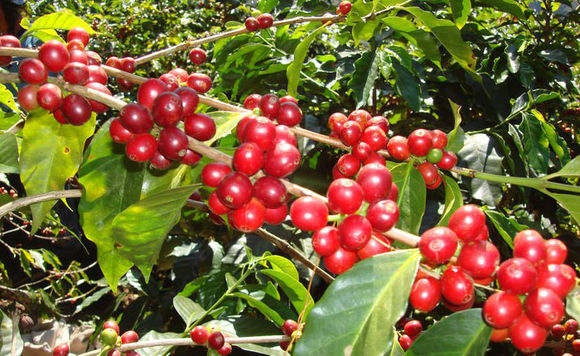
China Coffee Network recommends Colombia Huilan diamond estate yellow bourbon high quality coffee beans
Colombia coffee dates back to 1808. Coffee was first brought to Colombia by a priest from the French Antilles via Venezuela. Colombia's favourable climate provides a truly natural pasture for coffee. Since then, coffee trees have taken root in this country. The country also became the second largest coffee producer after Brazil and the world's largest Arabica coffee producer.
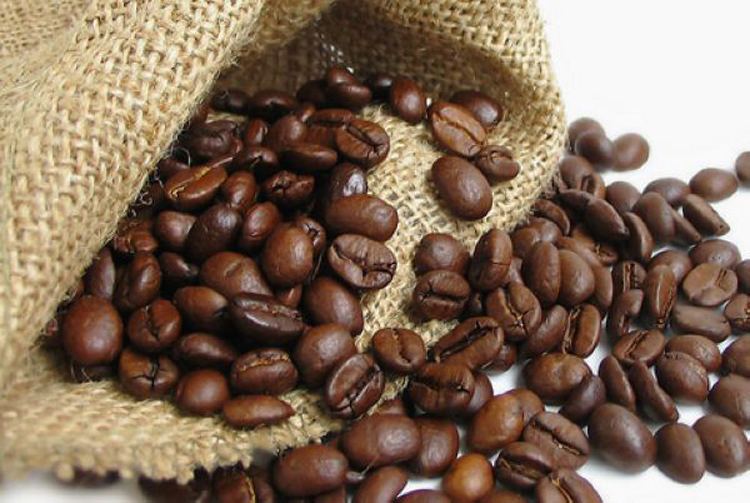
China Coffee Network recommends Panama Poquet Caesar Louis Manor washed fine coffee cooked beans
Coffee was introduced to Panama in 1780, when Europeans brought in the first Typica species. After this mysterious and strange drink conquered the senses of Panamanians, the locals began to cultivate it. Casa Ruiz, S.A. The estate, founded in 1920, is located in the Boquete region of Baru Volcano.

Coffee beans American coffee Guatemala Antigua coffee recommended by China Coffee Network
The second coffee producing area in Guatemala: Antigua coffee. Antigua Coffee (Guatemala wbrAntigua wbrCoffee) Antigua Valley (Antigua Valley) is the oldest and most well-known coffee producing area in Guatemala. Volcanoes and extremely shallow groundwater tables form a dry microclimate with low humidity, plenty of sunshine and cool nights

Introduction to Coffee Bean producing areas-- characteristics of Honduran Coffee from Honduras in South America
Well-known representative coffee: Honduran coffee seems strange to many coffee drinkers. When it comes to coffee production, the geographical conditions of Honduras are no less than those of neighboring coffee-producing countries such as Guatemala and Nicaragua. However, in the past, Honduras was more well-known in the consumer market because it did not have strong support in the handling and transportation of raw beans.

Introduction to Coffee Bean producing areas-- Panamanian Fine Coffee from South America
Famous representative coffee: Panama Panama is bordered by Costa Rica to the west and Colombia to the east of South America. Most of its coffee is grown in the mountains near Costa Rica to the west. Panamanian coffee has a medium and uniform flavor and texture, with a blue mountain temperament, so it is said that Panamanian coffee is often used to imitate the high-priced Hawaiian Kona or the Jamaican Blue Mountains. But Ba

Introduction to Coffee Bean producing areas-- characteristics of Mexican Fine Coffee in South America and Mexico
Well-known representative coffee: Mexico (Mexico) Malaggippe Mexico is close to the United States to the north. Its coffee production ranks fourth in the world, mainly produced in the southeast adjacent to the Vivette Nango highlands of Guatemala. Brother Mo, about 70% of his coffee is exported directly to the United States, which is washed and divided into three grades according to their height. Generally speaking, the evaluation of Mexican coffee is moderate.

Introduction to coffee bean producing areas-- South America Peruvian boutique coffee Peruvian coffee characteristics Peruvian coffee mouth
Well-known representative coffee: Peru (Peru) Peru is one of the major coffee producing countries in South America, and coffee is Peru's largest export agricultural product, which has grown greatly in recent years. It can be seen from the map that the Andes mountains run parallel to the coast in Peru. More than 90% of Peruvian coffee is grown in the north, in the valleys east of the capital Lima, and in the slopes of the Andes.

Introduction to coffee bean producing areas-- characteristics of Ecuadorian fine coffee in South America
Well-known representative coffee: Galapagos is between Colombia and Peru, and Ecuador, which passes through the equator, is one of the few countries in South America that produces both Arabica and Robastian coffee. In fact, Ecuador means the Spanish equator. Due to the use of old-fashioned traditional harvesting and handling methods, Ecuadorian coffee has not been
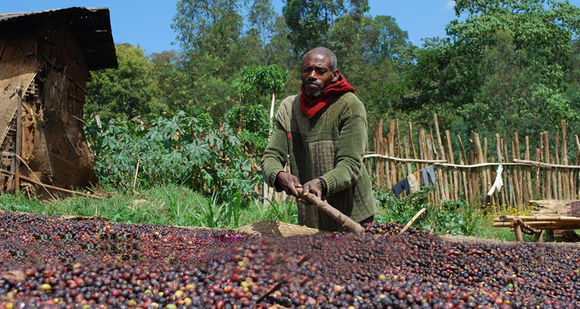
Fine American Coffee Guatemala New Oriental Region Guava Plain Manor Wine Fragrance Solarization SL28
Guatemala is one of the most important coffee-producing countries in Central America. The mountains in Guatemala extend for a long time, and the regional climate varies from one place to another. Therefore, eight coffee-producing areas in Guatemala are created. They are all located on the highland terrain with subtropical climate. The rainfall is abundant and stable. The fertile volcanic ash soil is the perfect environment for coffee trees to grow. Plan del Guayabo is located next to Volcn de Suchitn
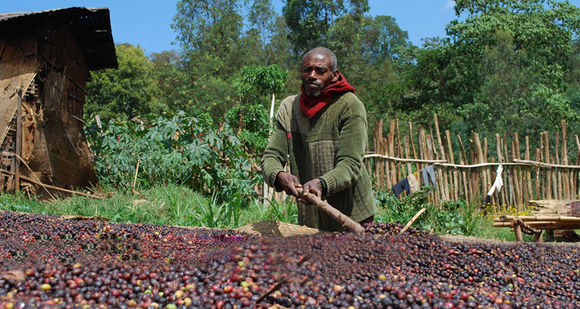
SL28 species recommended by Coffee Network for wine sun treatment in guava plain manor in Guatemala New Oriental region
Guatemala is one of the most important coffee producing countries in Central America, with long mountains and different regional climates, thus creating eight major coffee producing areas in Guatemala, all located on the highland topography of the subtropical climate, with abundant and stable rainfall and fertile volcanic ash soil is an excellent environment for coffee trees to grow. Plan del Guayabo is located next to the Volcn de Suchitn volcano.
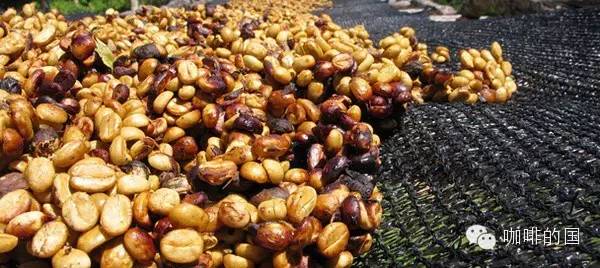
Coffee Network recommends that Nicaraguan Jim Molina Manor Honey treat Red bourbon Fine Coffee
Nicaragua is mainly divided into four major producing areas, namely, Bosnia and Herzegovina Sub-region (Segovias), Madaguelba / Henodeka region (Matagalpa/Jinotega), Borgo region (Boaco) and Pacific Coast region (Pacific). The highest planting height in Bosnia and Herzegovina is about 1500 2000, and the coffee produced is the highest SHG (Strictly High Grown). All over
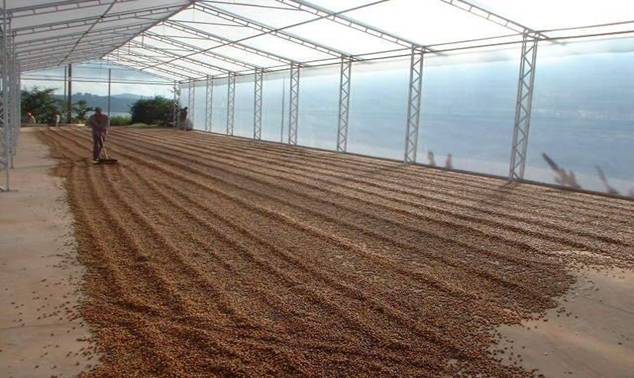
Coffee Network recommends Monsalot Columbia Black Coffee beans Fine cooked beans Kaddura Tibica Water washing
Monsalot is located in the southwest of the Colombian province of Ulla, and most of its farmers grow on a small scale, treating coffee as a staple agricultural product in exchange for cash. A few years ago, the New Millennium Farmers' Association (Grupo Asociativo Productores del Nuevo Milenio) was established to improve the quality of coffee and expect to sell births at higher prices.
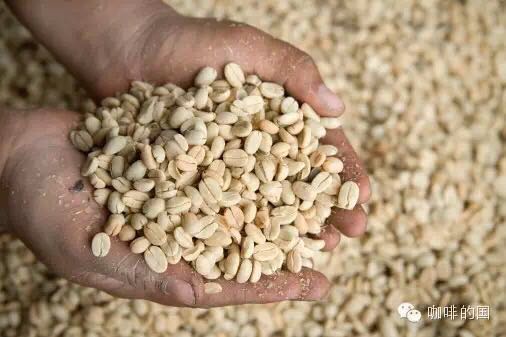
Panama Love Saint Manor Washed Rose Summer Geisha Aristar Poquete Baru Volcano
The Estates of Love covers an area of about 12.5 hectares, a miniature estate in Panama. According to the owner's dictation, 8.5 hectares of it are planted with varieties ranging from common typica, Red Catuai and Pacamara. Since 2008, Geisha coffee has been grown in a small number of areas, and now accounts for nearly half of the total.
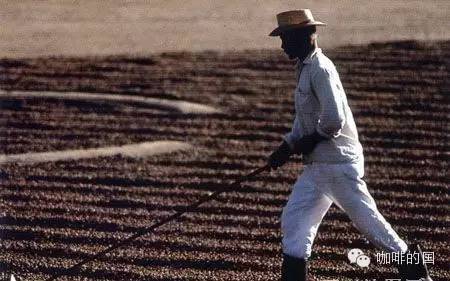
The coffee network recommends that the Shumawa Manor in the western valley of Costa Rica be treated by the sun to treat the strange species of Vera sa.
Costa Rica is located in the Central American isthmus, and is simultaneously regulated by Pacific and Atlantic currents and sea breezes. There are many towering volcanoes up to 2000 meters above sea level in Costa Rica. Coffee berries grow slowly in the fertile volcanic ash soil and cool environment at high altitude, giving birth to coffee beans with complete and rich flavor. Costa Rica began to grow coffee two hundred years ago, the earliest
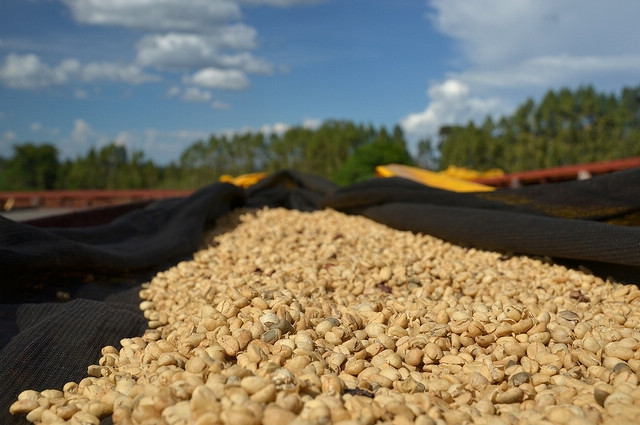
The coffee network recommends that Costa Rica's Tara Pearl Diamond Villa wash SHB Kaddura boutique coffee beans.
Costa Rican coffee plants were imported from Cuba in 1779 and exported for the first time in 1820. There are now about 32000 coffee farmers, with an average of less than 10000 yuan per farmer. Costa Rica has a population of 410 million (2006), an active coffee planting area of 82500 square meters, an annual output of 1.7 million bags (60kgs per bag), and an annual consumption of 38 million bags in China.
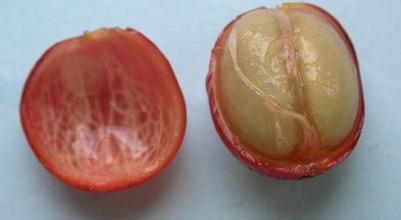
The coffee network recommends Guatemala Vivetnam fruit producing area Guatemalan coffee origin list beans.
Guatemala, which is famous for its highland topography, has a unique flavor of high-altitude hard beans that perform well in all-inclusive coffee producing areas and produce high-quality coffee with eye-catching performance. Guatemalan coffee has rich flavor changes and strong acidity, and sometimes can feel some changes in spices, from medium to full consistency, high complexity, is the best representative of complex style.
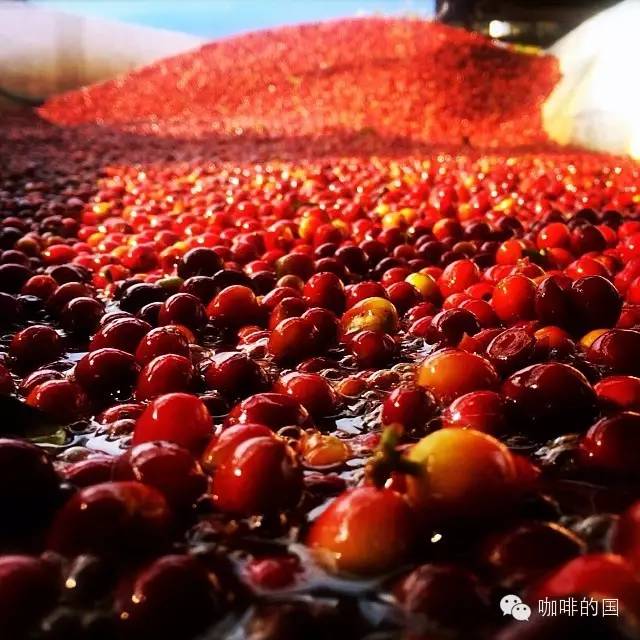
American Coffee from Costa Rica Starica Coffee Variety Fire Phoenix Manor Red Honey
Arrazu, from Costa Rica, is one of the major coffee producing areas in the world. The coffee produced by Tarasu has a light and pure flavor and pleasant aroma. Costa Rica, with its fertile volcanic soil and good drainage, is the first country in Central America to grow coffee and bananas for commercial value. Coffee and bananas are the country's main exports. Costa Rica with extra hard beans and high quality