
Coffee Farm
Latest articles, industry insights and brewing guides
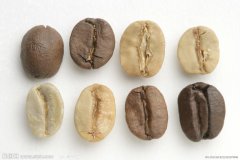
Mount Elgon’s Double-Fermented Kenyan Coffee
Explore the unique double-fermented washed SL28 coffee from Mount Elgon in Kenya, grown over 2,300m with volcanic soil and rich tropical rainfall.

Kenya IYEGO Cooperative AA Washed Coffee Beans
Kenya IYEGO Cooperative produces high-scoring AA-grade washed coffee with vibrant acidity and fruity complexity, grown at 1500–1800m in Kangema.

Kenyan Coffee from SASINI Estate Near Mount Kenya
Discover the unique profile of Kenyan coffee from SASINI Estate in Kiambu, grown at 1500–2000m with SL28 beans and a signature double fermentation process.

Volcanic San Marcos: Guatemala’s Hottest Coffee Region
San Marcos is Guatemala’s warmest and wettest coffee-growing region, with over 2,000mm of rain annually and early flowering due to its unique climate.
Smallholder Coffee from Guatemala’s New Oriente Region
Explore New Oriente, Guatemala’s historically remote coffee zone now thriving thanks to smallholder farms with rich volcanic soils.
Guatemala’s Highland Huehue: Non-Volcanic Coffee at Altitude
Highland Huehue in Guatemala is the driest and highest non-volcanic coffee region, growing beans up to 2000m with a bold, winey cup profile.
Guatemala’s Highland Huehue: Non-Volcanic Coffee Gem
Discover Highland Huehue, Guatemala’s highest and driest non-volcanic coffee region, where coffee thrives up to 2000m with a bold, winey profile.
Guatemala’s Fraijanes Plateau Natural Process Coffee
Discover why Guatemala’s Fraijanes Plateau produces exceptional 100% natural processed coffee, with bright acidity, rich fruitiness, and thick body.
Rainforest Cobán Coffee: Flavor & Growing Conditions
Explore the cool, foggy highlands of Cobán, Guatemala, where unique microclimates shape the bright, fruity cup profile of Rainforest Cobán coffee.
Traditional Atitlán: Guatemala’s Volcanic Coffee Gem
Discover why Traditional Atitlán coffee stands out among Guatemala’s volcanic regions with its rich soils and vibrant cup profile.
What Makes Guatemalan Antigua Coffee Unique?
Antigua coffee grows in volcanic soil, cool nights, and low humidity. Learn how this terroir shapes its bright, sweet, and balanced cup profile.

What Is Kopi Luwak Coffee and Why Is It So Expensive?
Learn what makes kopi luwak, or civet coffee, uniquely rich and expensive, from its wild fermentation to its controversial production methods.
Guatemala’s Acatenango Valley Coffee: What Makes It Special?
Explore Guatemala’s Acatenango Valley coffee region—high-altitude, volcanic, and known for bright acidity and complex flavor. Learn what defines its profile.
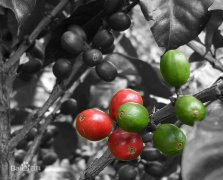
Ghimbi Ethiopian Coffee: Balanced Body and Long Aftertaste
Ghimbi coffee from western Ethiopia offers a complex, balanced cup with a long aftertaste, making it a favorite base for espresso blends.
Djimmah: Ethiopia’s Overlooked High-Volume Coffee Bean
Djimmah makes up around 50% of Ethiopia’s annual coffee production. Grown at 4,400–6,000 feet, it’s often exported as G5/G4 and used in blends—but quality varies widely.
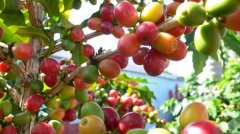
Harar Coffee: Ethiopia’s Wild, Spiced Classic
Learn why Harar coffee offers wild, fermented complexity with classic Ethiopian mocha spice—grown high in Ethiopia’s dry eastern highlands.

Where Papua New Guinea Coffee Beans Come From
Discover the origins of PNG coffee: 75% comes from small farms at 1300–1800m altitude with unique organic growing conditions.

What Makes Papua New Guinea Coffee Beans Unique
Papua New Guinea (PNG) grows high-altitude, mostly organic Arabica, mainly Typica. Learn its flavor profile, quality history, and market price grade shifts.
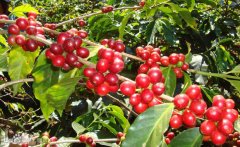
Sidamo Coffee: Ethiopia’s Classic 'Old-School' Flavor
Sidamo is a sweet, aromatic Ethiopian coffee with floral and fruity notes. Grown near Yirgacheffe, it shares traits with that famed region but offers its own distinct profile.
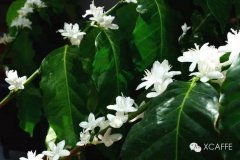
What Coffee Grows in Ethiopia’s Famous Coffee Regions?
Explore the key Ethiopian coffee-growing areas like Yirgacheffe, Sidamo, and Harrar, and discover how their unique environments shape distinct flavors.