
Coffee Farm
Latest articles, industry insights and brewing guides
Tanzania Coffee Beans: Origins and What Makes Them Special
Discover the origins of Tanzanian coffee, especially near Kilimanjaro, and why these high-altitude beans offer bright acidity and rich aroma.

What Makes Rwandan Coffee Beans So Special?
Rwandan coffee is known for its bright citrus acidity, clean washed profile, and stable quality due to high-altitude, volcanic soil conditions.

What Makes Kenyan Coffee Beans So Special?
Discover why Kenyan coffee is prized for its bright acidity, winey depth, and intense fruit flavors—plus how it’s grown, processed, and sold.

Where Ethiopian Coffee Beans Originate
Ethiopia is the birthplace of coffee, with wild trees still producing distinctive beans. Learn about its origins, key regions, and why it rarely suits dark roasts.
Kopi Luwak: Origin, Production, and Controversy of Civet Coffee
Learn where civet coffee comes from, how it’s made, and why much of what’s sold today isn’t what it claims to be.

Colombian Coffee Origins and Specialty Bean Regions
Learn how Colombia became the world’s second-largest coffee producer, famed for its high-quality washed Arabica beans grown in diverse microclimates.

Where Does Ethiopian Sidamo Coffee Come From?
Explore the origins of Sidamo coffee, including Yirgacheffe — a high-altitude Ethiopian region known for world-class washed Arabica beans.

Brazil Coffee Beans: What Makes Them Unique?
Brazil produces the most coffee globally, mostly low-elevation Arabica and Robusta. Learn how elevation, variety, and roast impact its mild, sweet profile.

Where Honduras Coffee Comes From and What Makes It Special
Learn how Honduran coffee earned its reputation, the altitudes that define its grades, and why it’s a key player in specialty blends.
Why Nicaraguan Coffee Has No Sharp Acidity
Nicaraguan coffee is known for being the only Central American origin without sharp acidity. Learn why and how best to roast and brew it.

What Makes Guatemalan Coffee Beans Unique?
Discover why Guatemalan specialty coffee stands out, from its high-altitude growing regions to unique bean characteristics like full body and balanced acidity.

Salvadoran Coffee Beans: Flavor, Origins, and Grading
Discover Salvadoran coffee’s balanced flavor profile, key regions, and how post-war challenges shaped today’s premium beans.

Costa Rica Coffee Origins: Tarrazú and High-Altitude Beans
Discover the unique flavors and high-altitude origins of Costa Rican coffee, especially from the Tarrazú region, known for bright acidity and clean profiles.
Why Salvadoran Coffee Beans Are Gaining Global Recognition
Salvadoran coffee offers bright acidity, fruity notes, and a heavier body. Learn why it’s rising in specialty coffee markets.

What Makes Papua New Guinea Coffee Beans Special?
Discover the unique flavor, growing conditions, and quality evolution of PNG coffee beans—plus how they compare to other origins.

What Makes Indonesian Coffee Beans Unique?
Discover the unique profiles of Indonesian coffee beans, from Mandheling’s spice tones to Java’s syrupy sweetness, and why they’re prized globally.
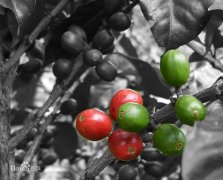
Guatemalan Specialty Coffee: Regional Flavor Profiles
Discover how Guatemala’s volcanic highlands produce some of the world’s most complex coffees, from Antigua’s smoky notes to Huehuetenango’s bright fruit.

What Makes Mocha Coffee Beans Unique?
Mocha coffee beans are small, round, and complex—often compared to peaberries—with high acidity, spice, and subtle chocolate notes.

What Makes Tanzanian Coffee Beans Special?
Tanzanian coffee offers bright acidity, floral notes, and a smooth cup—especially from the high-altitude slopes near Kilimanjaro. Learn what sets it apart.
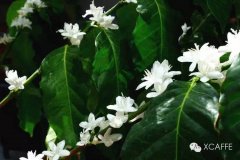
Costa Rican Coffee Roast Guide & Flavor Profile
Find the ideal roast level for Costa Rican coffee to highlight its balanced acidity and sweetness—best at City or first crack finish.