
Coffee Farm
Latest articles, industry insights and brewing guides
Which Coffee Beans Are Best for Pour Over?
Learn which coffee bean origins and types shine in pour over brewing, with expert picks and brewing notes for every major region.
What Tools Do You Need to Make Coffee at Home?
To brew great coffee, you just need a few essentials: grinder, kettle, scale, filter, and brewing device. Here’s your no-fluff checklist.
Basic Coffee Facts: Coffee Bean Types and Brewing Essentials
Learn the 5 main coffee types, key brewing factors like water and temperature, and classic espresso drinks in one quick guide.
How to Roast Coffee Beans: Choosing the Right Roaster
Learn how to roast coffee beans effectively using multi-stage controls and find the best home or commercial roaster for custom profiles.

How Roast Levels Change Coffee Flavor Profiles
Different roast levels alter coffee taste significantly. This study compares Yunnan Arabica and Indian Robusta across roast stages.
How Roast Methods Differ by Coffee Variety
Different coffee varieties require tailored roast profiles. Learn how bean type affects roast stages, temperatures, and ideal techniques.
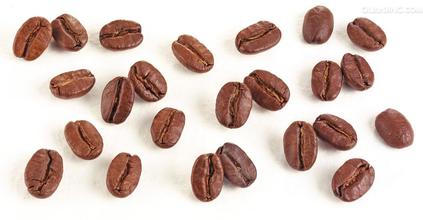
How Roast Level Affects Coffee Protein Drink Flavor & Stability
Find the optimal roast, ratio, and processing steps for a stable, flavorful coffee-soy protein beverage. Includes pH, color, and stability data.

How Many Coffee Bean Varieties Exist and How to Store Them
Learn the main types of coffee beans, their flavor profiles, and proper storage methods to preserve freshness and flavor.
How Many Coffee Varieties Exist and What Flavors Define Each?
Explore major global coffee varieties like Jamaican Blue Mountain and Ethiopian Yirgacheffe, with distinct flavors shaped by terroir and processing.

How to Spot and Avoid Defects in Coffee Beans
Learn how to identify fresh, high-quality coffee beans and spot common defects in green and roasted coffee. Key tips on freshness and bean purity.
How to Taste Coffee: A Step-by-Step Guide
Learn how to properly taste coffee: start with clean taste buds, assess aroma and color, sip slowly, and enjoy at 85–88°C for best flavor.
What Makes Guatemalan Coffee Unique in Flavor and Variety
Discover the distinct flavors and regional profiles of Guatemalan coffee, including Antigua’s signature balance and volcanic soil influence.
Drinking 3 Cups of Coffee May Lower Skin Cancer Risk
Drinking three or more cups of coffee daily may reduce your risk of basal cell carcinoma by up to 20%, especially in women, a study finds.
Best Coffee Cups & Daily Intake: What Science Says
Avoid disposable paper and plastic cups for coffee. Learn which materials are safest, why they matter, and how many cups per day is healthy.
Does Daily Coffee Drinking Help with Weight Loss?
Drinking one to three cups of coffee daily may aid metabolism, reduce fatigue, and lower cholesterol — but its direct impact on weight loss is limited.
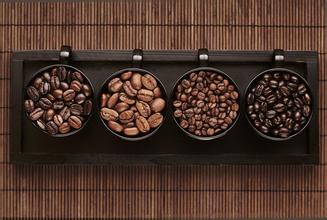
How Coffee Spread Across Asia, Europe and the Americas
Discover how coffee traveled from Arabia to Asia, Europe, and the Americas — including Indonesia’s role as the 4th largest exporter today.
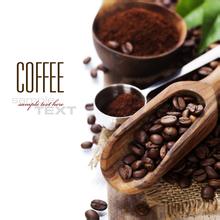
10 Classic Global Coffee Brewing Methods Explained
Discover how to make 10 traditional international coffees—from Turkish fortune readings to Neapolitan bitter brews—with exact ratios and steps.
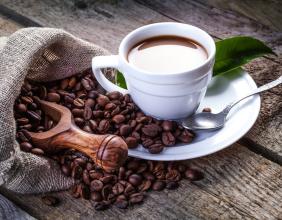
When Did Coffee Arrive and Become Popular in China?
Coffee was first planted in Taiwan in 1884 and later in Yunnan in the early 1900s. Its slow rise reflects cultural resistance, not poor conditions.
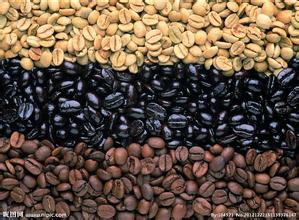
Traditional Ways to Drink Coffee Around the World
Explore how seven countries—from Italy to Russia—brew and enjoy coffee traditionally, with details on grind, brewing tools, and unique customs.
What Makes Papua New Guinea Coffee Unique?
Papua New Guinea (PNG) coffee grows at 1300–1800m altitude, offering bright acidity, fruity sweetness, and complex flavors from traditional washed processing.