
Coffee Farm
Latest articles, industry insights and brewing guides
What Makes Brazilian Coffee So Mild and Nutty?
Brazilian Santos No.2 coffee is known for its low acidity, smooth body, and strong nutty aroma—find out why it’s a stable, everyday favorite.
Where Ethiopia Coffee Beans Come From
Ethiopia is the birthplace of coffee, home to wild-growing varieties and legendary highland regions like Yirgacheffe and Sidamo.
Columbia Supremo: Bold Coffee Flavor in Every Cup
Columbia Supremo beans offer a balanced mix of acidity, bitterness, and aroma. They’re widely considered one of the most 'coffee-flavored' coffees, though not especially distinctive.
Where Does Colombian Coffee Come From?
Colombia is the world’s second-largest coffee producer, known for high-quality washed arabica beans grown across its Andean highlands.
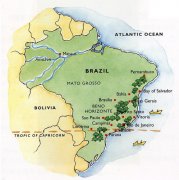
Kenya AA Coffee: Europe’s Favorite High-Grade Bean
Kenya AA is the country’s top-grade coffee, especially loved in Europe for its bold acidity and fruity profile, though less favored in the Americas and Asia.

Kopi Luwak Coffee: Flavor, Origin, and Price Explained
Kopi Luwak, made from civet-processed beans, is among the world’s rarest and priciest coffees. Here’s what gives it its unique flavor—and what it really costs.
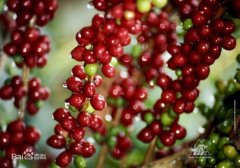
Yemeni and Ethiopian Mocha Coffee Explained
Learn why Yemeni Mocha Mattari and Ethiopian beans share the 'Mocha' name, their flavor profiles, and how modern mocha drinks got their name.
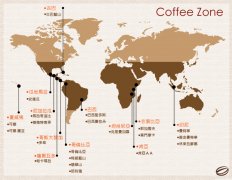
Tanzania AA Kilimanjaro Coffee Explained
Learn why Tanzania AA Kilimanjaro coffee is sharp, wild, and sought after in Japan and the U.S. with bright acidity and bold flavors.

Colombian Coffee Origins: Country of Specialty Bean Excellence
Learn why Colombia is the world’s second-largest coffee producer, its key regions, and what makes its beans globally prized for quality.

Honduras Coffee Beans: Origin and Specialty Profile
Honduras grows high-acidity specialty coffee graded by altitude. Find out how elevation shapes flavor and why it’s ideal for blends.
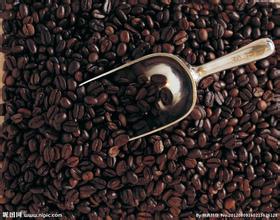
Guatemalan Coffee Beans: Origin, History, and Specialty Profile
Learn why Guatemalan coffee beans were once world-renowned, how production evolved, and what makes them still highly regarded today.
What Makes Salvadoran Coffee Beans Unique?
Salvadoran coffee is known for its balanced flavor and high quality. Learn where it comes from, how it’s graded, and what makes varieties like Pacamara special.
Costa Rican Coffee Beans: Flavor, Origins & Processing
Explore Costa Rica’s high-altitude coffee farms, volcanic soil, and honey processing methods that shape its world-renowned bright, sweet single origins.
What Makes Papua New Guinea Coffee So Unique?
Learn why PNG coffee is rare, high-grown, and flavorful, with details on its farming, grades, and flavor profile.
What Makes Indonesian Coffee Beans Unique?
Explore Indonesia’s diverse coffee regions, from Mandheling to Flores, and discover the unique flavors and processing behind its global reputation.

What Is Mocha Coffee Bean? Flavor & Origins Explained
Learn what makes Mocha coffee beans unique: small, high-acid beans from Yemen with spicy-chocolate notes and historic ties to mocha flavoring.

Tanzania Coffee Beans Flavor and Profile Explained
Discover Tanzanian coffee’s bright acidity, floral aroma, and sweet complexity. Learn where it grows and why quality varies.
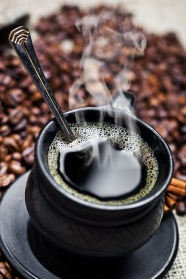
What Makes Kenyan Coffee Beans So Special?
Kenyan coffee is prized for its intense aromatics, balanced acidity, and vibrant fruit flavors, thanks to high-altitude growing and elite SL varieties.
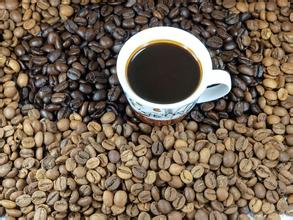
What Makes Ethiopian Coffee Beans So Unique?
Discover the wild origins, diverse growing regions, and distinctive flavor profiles of Ethiopia’s specialty-grade Arabica beans.
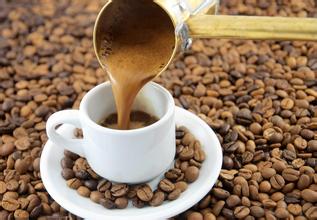
What Makes Colombian Coffee Beans Unique?
Discover why Colombian coffee stands out with its balanced flavor, high production, and unique growing regions like Medellín, Armenia, and Manizales.