
Coffee Farm
Latest articles, industry insights and brewing guides

Which Coffee Bean Brands Are Best for Beginners?
Explore top-rated entry-level specialty coffee beans from Colombia, Indonesia, and Jamaica, with details on flavor, roast level, and origin.

Can You Eat Coffee Beans Raw? How to Consume Them
Yes, you can eat raw coffee beans, though they’re bitter and hard. Learn how people historically consumed them and modern safe ways to enjoy them.

What Are the Different Types of Coffee Beans in Malaysia
Learn where Malaysian white coffee comes from, the key coffee bean types used, and how it’s distinct from regular coffee. Discover MALCO and Old Ipoh brands.

Italian Roast Labels: What They Really Mean in Coffee
Learn what terms like 'Italian', 'Vienna', and 'French roast' actually refer to — and how roast level affects flavor, not origin.

Single Origin vs Blended Coffee Beans Explained
Learn the difference between single origin and blended coffee beans, how they're labeled, and why it matters for flavor and brewing.
Why Is It Called Espresso and Other Coffee Names Explained
Learn why espresso is named as it is, the science behind the name, and the origins of milk-based drinks like latte and macchiato.
Main Types of Coffee Beans Explained
Learn the five coffee tree species and why Arabica and Robusta dominate global production. Discover key growing regions and flavor traits.

Salvadoran Coffee: Flavor Profile & Roast Guide
Learn why Salvadoran coffee scores high on aroma, brightness, and body, and how to roast and brew it for the best flavor.
Why Are Coffee Beans Named the Way They Are?
Learn why coffee bean names include country, region, altitude, and farm details—and what those labels actually tell you about quality and flavor.
Papua New Guinea Coffee Beans: Grades & History
Learn about PNG coffee’s classification system, historical struggles with quality, and what makes its beans unique today.

How Many Types of Indonesian Coffee Beans Are There?
Explore the classification of Indonesian coffee beans, including Mandheling, Java, and others, plus global origins like Jamaica Blue Mountain.
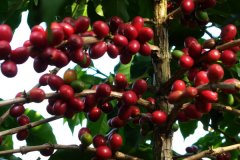
Sumatra Coffee Profile: Bold, Earthy, and Complex
Sumatra Mandheling coffee scores high on body and aftertaste, thrives at City to Full City roasts, and offers a rich, syrupy cup ideal for dark roasts.
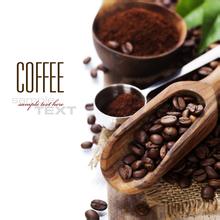
What Is Mocha Coffee and How to Make It
Mocha coffee blends espresso, milk, and chocolate. Learn its history, variations, and how to prepare it at home with classic or white versions.

Kenya Coffee Flavors and What Makes Them Unique
Explore the bright, fruity flavors of Kenyan coffee, from blackberry and grapefruit to wine-like acidity—plus what makes AA+ beans so special.

Nicaraguan Specialty Coffee: Flavor, Roast, and Regions Explained
Nicaragua produces high-scoring specialty coffee with bold sweetness, smooth balance, and minimal acidity. Learn ideal roast levels and top regions like Jinotega and Matagalpa.
What Makes Ethiopian Yirgacheffe Coffee So Special?
Learn why Yirgacheffe coffee is world-renowned for its bright citrus, floral aroma, and delicate sweetness, and how to brew it perfectly.
Main Coffee Growing Regions in Ethiopia
Ethiopia's top coffee-growing regions include Harar, Djimmah, Ghimbi, and Lekempti—each with distinct flavors, altitudes, and processing styles.
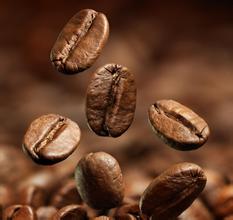
What Does Colombian Coffee Plant Morphology Look Like?
Colombian coffee mostly comes from the Coffea arabica species, a small tree or large shrub growing 5–8m tall with specific leaf, flower, and fruit traits.
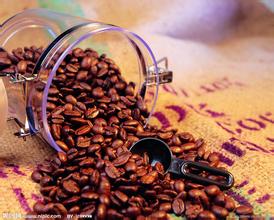
What Makes Jamaica Blue Mountain Coffee Unique?
Discover the true qualities of Jamaica Blue Mountain coffee: balanced flavor, strict quality control, and why it commands premium prices.
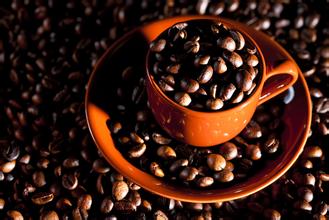
Honduran Coffee Processing Methods and Flavor Profile
Honduran coffee is known for its balanced flavor, medium acidity, and wide versatility. Learn how it’s processed and what makes it unique.