
Coffee Farm
Latest articles, industry insights and brewing guides

How Rwandan Coffee Transformed From Low-Grade to Specialty Export
In the 1990s, Rwandan coffee sold for just $0.33/kg. By 2002, a farmer co-op achieved $3/kg by improving processing and quality control.
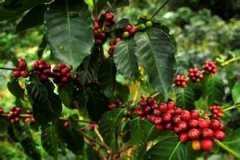
Haiti’s Natural Coffee Grown Without Chemicals
Haiti’s coffee grows without pesticides or fertilizers due to economic constraints, resulting in clean, unadulterated beans with rich flavor.

Kenya Coffee Varieties: SL28, SL34 and More
Explore Kenya’s key coffee varieties like SL28 and SL34, their flavor profiles, and how they define the country’s renowned cup quality.

When Did Coffee Reach China and What’s Special About Kenyan Beans?
Kenyan coffee is grown at high altitudes, handpicked multiple times, and sold via strict auction systems. It reached China decades ago and is valued for its vibrant fruit acidity.

How Sidamo Coffee is Categorized and Roasted
Sidamo coffee comes in different types and roast levels. Learn how Ethiopian Sidamo beans are classified and the common roast styles used for them.

Yirgacheffe Coffee: Ethiopia’s Fragrant Specialty Region
Explore Yirgacheffe, Ethiopia’s famed high-altitude coffee region known for its bright citrus, floral aromas, and delicate sweetness in washed beans.
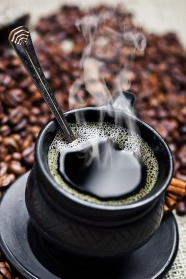
Where Does Colombian Coffee Come From? Key Growing Regions
Colombian coffee mainly comes from three key regions: Medellín, Armenia, and Manizales. These zones form Colombia’s famous 'coffee belt' at 1,500+ meters altitude.
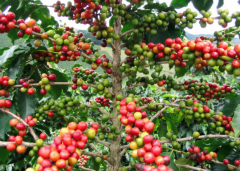
Madagascar’s Coffee Industry: Production, Regions & Exports
Madagascar produces around 67,000 tonnes of coffee annually, with 40,000 tonnes exported. Discover its key regions, challenges, and global role.

What Makes Colombian Coffee from Medellín So Special?
Colombian coffee from Medellín, Armenia, and Manizales is known for balanced acidity, full body, and rich aroma due to careful handpicking and washed processing.

What Is Specialty Coffee? The Full Guide
Learn what defines specialty coffee, from farm to cup. Discover the key factors behind high-quality beans, processing, roasting and brewing.

What Do All Types of Coffee Beans Have in Common?
Despite differences in origin and flavor, all coffee beans share key traits like roast profiles, processing methods, and cup characteristics.
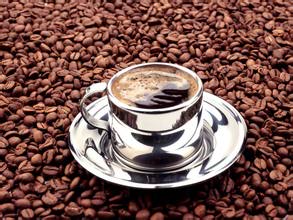
Colombia’s Coffee Growing Environment and Culture
Explore Colombia’s ideal coffee-growing conditions, from altitude to climate, and how they shape its world-renowned balanced arabica beans.
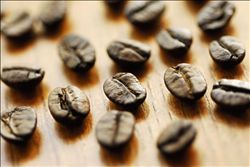
Flavor, Freshness & Benefits: A Guide to Coffee Categories
Learn the differences between commercial blends, fresh coffee, and specialty beans — plus the health perks and flavor profiles to expect.

How to Make Classic Espresso-Based Coffee Drinks
Step-by-step guide to making 9 popular espresso-based drinks like latte, cappuccino, and mocha, with milk ratios and serving styles.
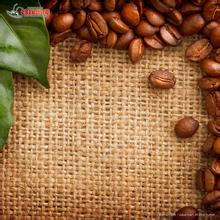
6 Blended Coffee Recipes and Their Flavor Profiles
Explore six balanced coffee blends, from bright acidic to rich bitter, with exact bean percentages for each specialty mix.

Major Coffee Origins and Their Flavor Profiles
Discover the key characteristics of top global coffee origins like Colombia, Ethiopia, Brazil, and Indonesia, with their flavor, acidity, and roast suitability.

Best Coffee Origins and How to Grind Them
Discover the best coffee-growing regions and ideal grind sizes for beans from Brazil, Colombia, Ethiopia, and more.

What Coffee Types Are Best for Seniors? Flavors Explained
Discover the best coffee types for older adults, from low-acid Java to mild blends. Includes roast levels, flavor profiles & origin details.
Coffee Bean Types and Their Key Characteristics
Explore the differences between Arabica, Robusta, Liberica, and Excelsa coffee beans—including size, shape, processing methods, and internal anatomy.
How Coffee Bean Types Differ in Size, Shape, and Processing
Explore the physical differences between arabica coffee bean types—small, medium, and large—and learn how dry and wet processing shapes flavor. Key details inside.