
Coffee Farm
Latest articles, industry insights and brewing guides

What Makes Salvadoran Coffee Beans Unique?
Salvadoran coffee is known for its balanced, mild flavor. This guide covers its origin, key growing regions, grading system, and unique varieties like Pacamara.

What Makes Costa Rican Coffee Beans Special?
Costa Rican coffee is famed for its high-altitude 'Strictly Hard Bean' quality, bright acidity, and complex sweetness—especially from regions like Tarrazú.

What Makes Papua New Guinea Coffee Beans Unique?
Learn why PNG coffee is grown at high altitudes, processed traditionally, and offers bright, fruity flavors with a smooth body.

How to Brew Coffee with a Siphon (Vacuum) Pot
Learn how to use a siphon coffee maker step-by-step, including water levels, grind size, stirring timing, and flame control for clean extraction.
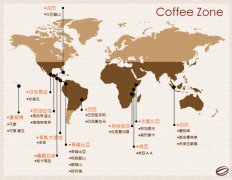
Yemeni Natural Process Coffee: Origins & Flavor Profile
Learn about Yemen’s historic natural-process coffee, its unique flavor, and why it’s considered the origin of global coffee trade.
Yemeni Natural Process Coffee: The Original Mocha Bean
Yemeni natural coffee beans, known as the original 'Mocha' variety, offer bold, fruity flavors with hints of spice and chocolate. Learn their history and unique traits.
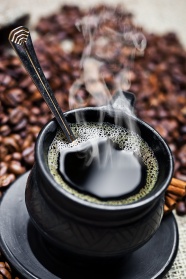
Indonesian Coffee Bean Origins and Flavor Profile
Explore Indonesia’s rich coffee history, key islands, and unique flavor traits including Mandheling and aged 'government' styles.
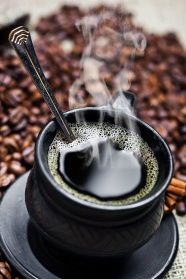
Mocha Coffee Beans: Origin, Shape, and Flavor Profile
Explore the unique origin, appearance, and flavor of Mocha coffee beans, including why they taste faintly of chocolate and where they truly come from.

What Makes Tanzanian Coffee Beans Unique?
Discover the distinct qualities of Tanzanian coffee, from its bright acidity and floral aromas to its unique growing regions like Kilimanjaro.
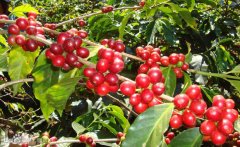
Australia's Specialty Coffee: What Makes It Unique?
Discover why Australia produces high-quality, smooth-tasting specialty coffee with a unique mild bitterness—rarely exported due to high labor costs.
Australia’s Specialty Coffee Beans: What Makes Them Unique
Australian coffee is prized for its smooth, delicate profile with subtle bitterness. Discover why this rare bean rarely leaves the country.

What Makes Rwandan Coffee Beans Unique?
Rwandan washed Arabica beans deliver vibrant, clean flavors with bright acidity. Grown at high altitudes, they feature fruity brightness and smooth chocolate notes.
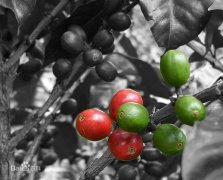
Vietnam’s Coffee Legacy: French Influence and Robusta Power
Vietnam produces the world’s second-most coffee, mostly Robusta. Its French-colonial coffee roots date back to the 1800s with Arabica Bourbons and Javas.
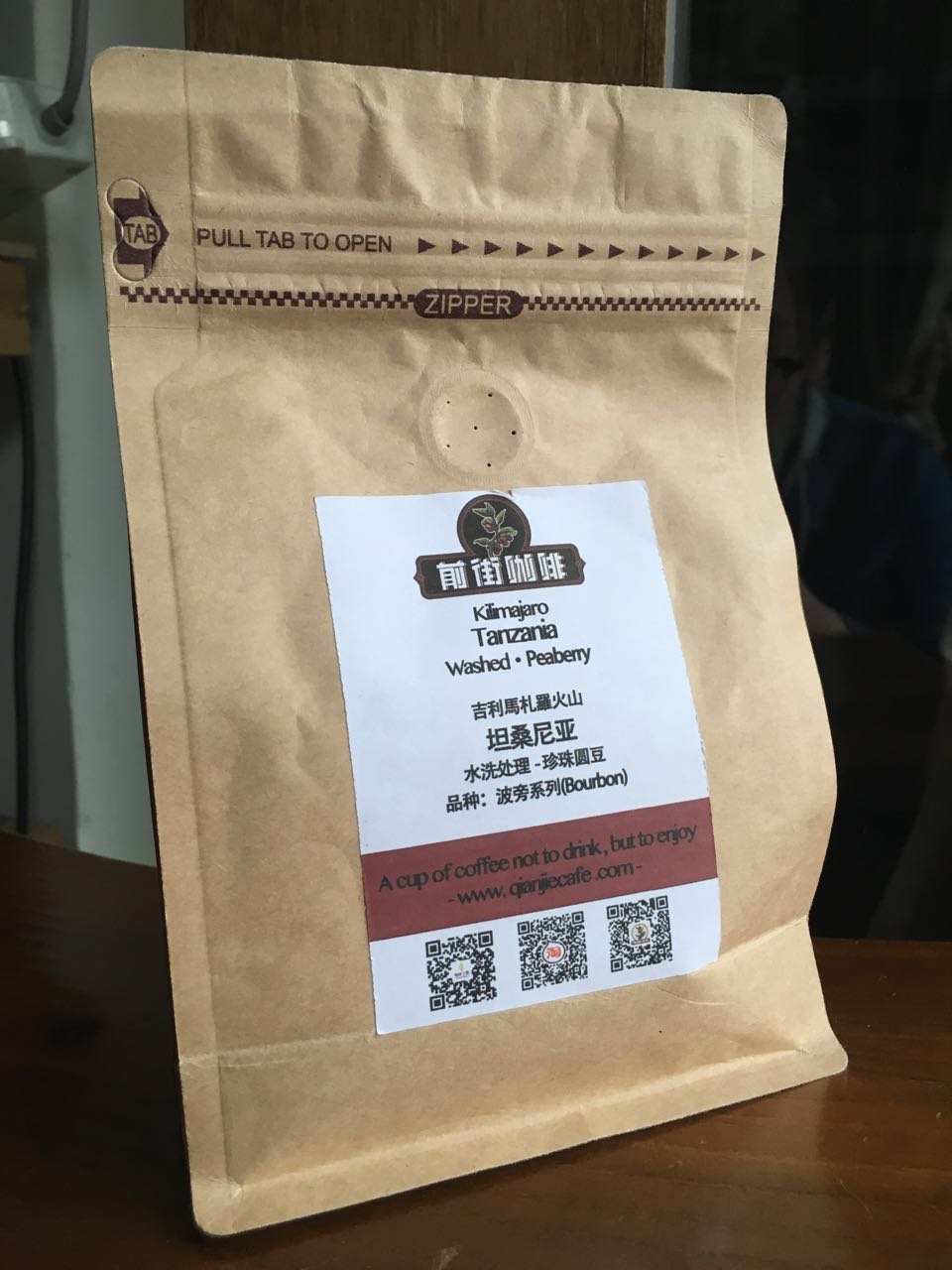
What Makes Kenyan Coffee Beans Unique?
Kenyan coffee is famed for its bright acidity and fruity profile, grown at high altitudes with strict quality controls. Here’s what sets it apart.

Philippines Grows All Four Major Coffee Species
The Philippines is one of the few countries that can cultivate all four coffee species: Robusta, Liberica, Excelsa, and Arabica. Here’s how it happened.
Why Java and Sumatra Coffee Still Matter in Specialty
Java and Sumatra coffee beans have deep historical roots and distinct flavor profiles. Learn why these Indonesian origins still shape global coffee tastes today.
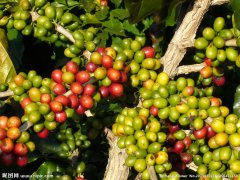
Why Indian Monsooned Coffee Has That Unique Mouthfeel
Indian monsooned coffee gets its smooth, full-bodied texture from a centuries-old aging process during the rainy season.
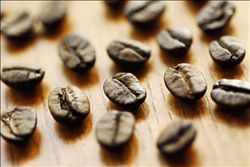
What Makes Ethiopian Coffee Beans Unique?
Explore Ethiopia’s diverse coffee cultivation, unique flavors, and global market presence. Learn why altitude, processing, and variety shape its distinctive cup profile.
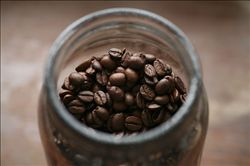
Colombian Coffee Beans: Origins and Key Characteristics
Learn why Colombian coffee is world-renowned for its balanced, washed arabica beans, with high production and diverse microclimates.

What Makes Honduran Coffee Beans Special?
Honduran coffee is known for high acidity and quality, grown mostly at elevations between 1,000–2,000m. Learn what defines its grade and flavor.