
Coffee Farm
Latest articles, industry insights and brewing guides
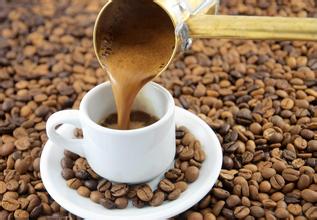
What Makes Guatemalan Coffee Unique?
Guatemalan coffee features bright acidity, complex fruit and floral notes, and rich chocolatey undertones. Learn what defines its signature profile.

Martinique: Birthplace of Caribbean Coffee
Martinique is where the first coffee tree in the Western Hemisphere was planted in the 1720s. Learn how it sparked a coffee industry that later faded.
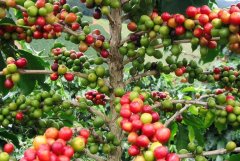
Why Honduras Coffee Is Great for Blends
Honduras coffee is high in acidity and graded by altitude, with premium beans grown above 1,500m. Learn why it’s ideal for blends.
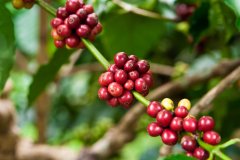
What Does Haitian Coffee Taste Like? Flavor, Acidity & Profile
Haitian coffee is known for full-bodied beans, rich flavors, medium-to-low acidity, and a smooth, mild cup profile. Learn what makes it unique.
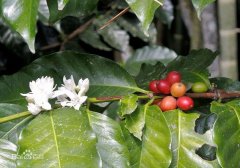
Why Guatemala’s Antigua Coffee Was Once the World’s Finest
Learn why Antigua coffee earned global prestige for its rich, bold flavors, volcanic soil, and unique microclimate — and which farms produced the best.
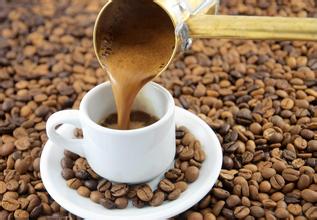
What Makes Kenyan Coffee Beans So Distinctive?
Kenyan coffee stands out due to high altitudes, SL28/SL34 varieties, and rigorous washed processing. Discover the origins of its famed acidity.
Guadeloupe’s Lost Coffee Legacy: Why Production Collapsed
Once a major coffee producer, Guadeloupe saw output plunge from 4,000 tons to near zero due to hurricanes, land shifts, and labor costs.

Kenyan Coffee Beans: Flavors, Varieties & Brewing Guide
Discover what makes Kenyan coffee uniquely fruity and bright, with top SL28 and SL34 varieties, high-altitude growing, and K72 washed processing.
Why Salvadoran Coffee Is Mild and Balanced
Salvadoran coffee offers a uniquely smooth, balanced cup. Over 40% of its exports feature this mild profile, especially prized in specialty markets.
Why Most Dominican Coffee Is Washed — And How It Differs From Haiti’s
Most coffee in the Dominican Republic is washed processed, unlike Haiti’s. Learn which regions produce the best beans and why this matters.

What Is the Best Coffee in Cuba? Turquino Explained
The finest Cuban coffee is graded Turquino or Extra Turquino—not a region, but a premium designation like Jamaica’s Blue Mountain.
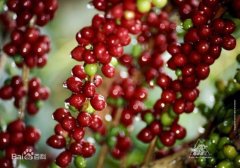
Why Tarrazú, Costa Rica Produces Premium High-Altitude Coffee
Learn why Tarrazú’s high-altitude coffee grows better, tastes brighter, and costs more to produce. Discover the role of elevation, processing, and selection.
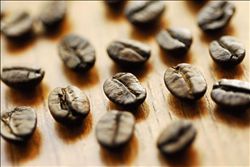
Honduras Coffee Taste and Bean Prices Explained
Learn why Honduras coffee beans offer balanced flavor, high acidity, and what affects their market price today.
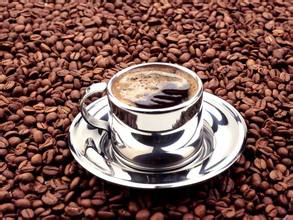
What Types of Coffee Beans Are There? From El Salvador to Java
Explore 14 classic coffee bean types including Salvadoran, Brazilian, and Javanese origins, with roast profiles, flavor notes, and brewing tips.
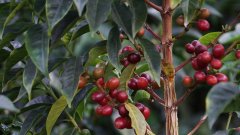
What Is Pacamara Coffee? Salvadoran Specialty Bean Guide
Learn about the unique Pacamara coffee variety from El Salvador, its standout traits, and the Finca Ataisi estate producing high-quality micro-lots.
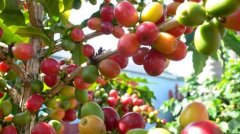
How Salvadoran Coffee Is Grown and Graded
Salvadoran coffee is almost entirely shade-grown by smallholders, harvested by hand from November to March, and graded by altitude.
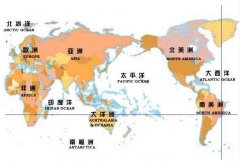
El Salvador Ataisi Estate Washed Pacamara Beans
Explore the washed Pacamara from El Salvador’s Ataisi Estate, a micro-lot with bright acidity and volcanic terroir influence.
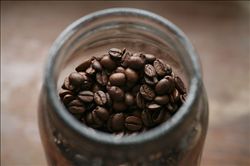
Washed Costa Rican Coffee Beans from Finca Santa Román
Learn how small-scale washed-process Costa Rican coffee, like that from Finca Santa Román, achieves bold chocolatey flavors and bright acidity.

How Much Do Colombian Coffee Beans Cost Per Pound?
Colombian coffee typically costs $8–$15 per pound depending on grade and roast. Premium beans like Supremo or Excelso can reach $20 or more.
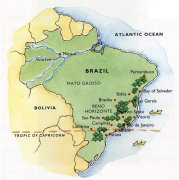
Santa Rita Estate: A Colombian Microlot Collaboration
Discover how nine farms near Santa Rita Estate in Colombia’s Antioquia region produce high-quality washed coffee using traditional methods.