
Coffee Farm
Latest articles, industry insights and brewing guides

How Coffee Processing Methods Shape Flavor
Explore how washed, natural, and honey processing methods impact coffee flavor, acidity, and cleanliness. Learn the key differences and trade-offs.

How Coffee Is Processed: Washed, Semi-Dry & More Methods
Explore how washed, semi-dry, and Brazilian semi-natural processes shape coffee’s flavor, from fermentation timing to fruit removal techniques.

Guatemalan Coffee Origins and Washed Processing Explained
Yes, Guatemalan coffee beans are almost always washed. Over 45% are specialty-grade, grown at high altitudes with volcanic or rainforest terroir.

What Does Salvadoran Coffee Taste Like?
Salvadoran coffee offers a balanced, medium-to-dark roast profile with mild acidity, sweetness, and body. Learn its flavor traits and ideal roast level.

Can You Drink Coffee Right After Roasting?
Yes, but it’s very bitter. Fresh-roasted beans need time to degas. Here’s what affects the taste and how roasting works.
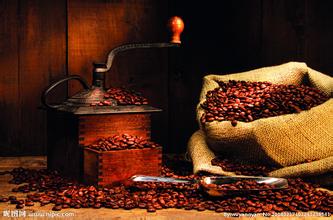
Coffee Roast Levels Explained: From Light to Italian
Discover the 7 main coffee roast levels, from light to French and Italian, with flavor profiles and ideal uses for each. A complete guide for home roasters.

How to Tell Good Roasted Coffee Beans from Bad
Learn how to assess roasted coffee beans before brewing — from grind sound to cup clarity and flavor. Practical steps included.

How Long Can You Store Green Coffee Beans and How?
Unroasted coffee beans can last 6–12 months stored properly. Here’s how to preserve freshness, flavor, and quality over time.

How to Hand-Pick and Assess Coffee Bean Quality
Learn how to identify good vs. bad coffee beans by hand-picking, roasting, and tasting green beans, plus tips for DIY home roasting.
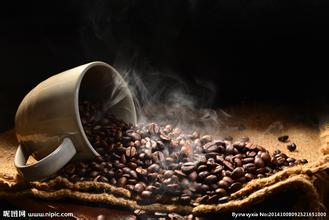
How Long Can Green Coffee Beans Be Stored and How Are They Processed?
Unroasted coffee beans can last 6–12 months in cool, dark storage. This guide explains common green coffee processing methods like natural, washed, and honey.
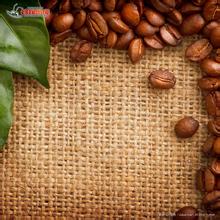
How Costa Rica Processes and Grows Its Specialty Coffee
Learn why Costa Rican coffee thrives at high altitudes, how it’s processed, and what makes its honey methods unique.

Common Types of Coffee Beans and Which Ones Taste Best
Explore major coffee varieties like Costa Rica, Kenya, and Blue Mountain, and learn which types offer the best flavor profiles.
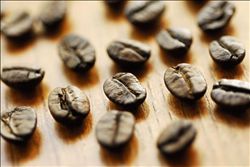
Types of Coffee Beans and Their Health Benefits
Explore 8 major coffee bean types, their flavor profiles, and how coffee supports health with antioxidants and energy benefits.
What Soil and Climate Do Coffee Trees Need?
Coffee trees thrive in well-drained, deep, sandy loam soils with warm temps (15–21°C). Learn the exact soil types, planting steps, and why only parts of China succeed.

What Conditions Are Needed to Grow Coffee Trees?
Coffee trees thrive between 16°C and 21°C within the 25°N to 25°S 'coffee belt'. Ideal elevations range from 1,000 to 2,000 meters with well-drained soil, shade, and distinct dry/wet seasons.

What Does Papua New Guinea Coffee Taste Like?
Papua New Guinea coffee is a washed Arabica with bright fruit, soft acidity, and silky body—rare for high-cupping coffees at moderate price.
What Makes Sumatra Mandheling Coffee Taste So Bold?
Sumatra Mandheling coffee offers thick syrupy body and bold flavor. Learn why it’s ideal for moka pots or espresso machines, with low acidity and rich sweetness.

Where Was Coffee First Discovered and How Did It Spread?
Learn where coffee was first discovered—likely in Ethiopia—and trace its journey through Africa, Arabia, and Europe with key historical events.

What Does Mandheling Coffee Taste Like?
Mandheling coffee is known for its full body, low acidity, and earthy sweetness. Learn what makes this Sumatran classic so distinctive.
What Is Mocha Coffee? History, Flavor & How to Make It
Learn where mocha coffee comes from, its rich chocolatey flavor profile, and how to brew a proper hot or iced mocha at home.