
Coffee Farm
Latest articles, industry insights and brewing guides

Honduran Coffee from Santa Juana Cid Estate
Explore how Santa Juana Cid, a village in central Honduras, grows clean, sweet washed coffee at 1,450–1,550m with banana shade.
Honduras San Juancito Bourbon Washed Coffee Review
This Honduras San Juancito Lot#1 is a washed Bourbon variety grown at 1450–1550m, offering clean, nutty, and milk chocolate flavors.
Bali Coffee Beans Flavor Profile by Region
Bali-grown coffee features tropical fruit, stone fruit, and sweet caramelized notes, often surpassing Central American sun-dried profiles.
How Bali Coffee Processing Methods Are Evolving
A roaster in Bali tested washed, honey, and natural processes—results beat local norms and rival Panama in fruit depth.
Bali’s Ubin District Grows Specialty Coffee
Bali’s Ubin region now produces high-quality single-origin beans thanks to a local roastery that controls processing from farm to cup.
Indonesian Bali Kintamani Ubud Natural Coffee Review
A detailed look at the natural-processed Bali Kintamani coffee from Karana's Ubud mill, with tasting notes and processing details.
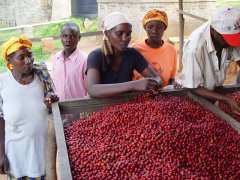
How Ninety Plus Grades Coffee by Fruit Flavor Intensity
Ninety Plus grades coffee not by process but by fruit flavor strength, using W2, H2, and N2 tiers that may mix methods under one grade.
Ethiopia 90+ LevelUp Derar Ela Coffee Beans Review
Explore the 90+ LevelUp Derar Ela Ethiopian coffee beans, known for their floral, fruity flavors and more affordable price than the parent 90+ brand.
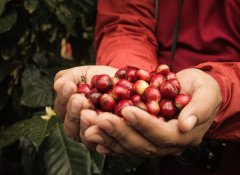
Kenyan Coffee Bean Grading System Explained
Learn how Kenyan coffee beans are graded, why SL28 and SL34 define its cup profile, and what makes its acidity and sweetness unique.
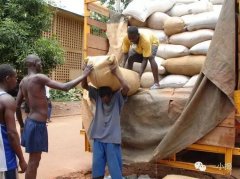
Kenyan Coffee Beans: Flavors and Growing Altitudes
Kenyan coffee thrives at 1400–2000m altitude, producing vibrant acidity and fruity complexity. Discover the regions, varieties, and processing behind its signature taste.
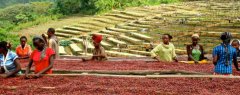
Kenya Nyeri Gatugi AA Coffee Beans Flavor Guide
Explore the high-altitude Kenyan Nyeri Gatugi AA coffee beans, grown at 1600–2300m with SL28 and SL34 varieties, offering floral, blackcurrant, and cranberry notes.
What Makes Guatemalan Coffee Beans Unique?
Explore the distinct flavors of Guatemalan coffee, grown in seven unique regions, known for balanced body, bright acidity, and elegant aromas.
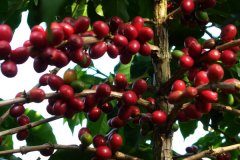
Guatemala La Linda Estate: Volcanic Soil Roasting Profile
Learn how volcanic soil and high elevation shape the flavor profile of Guatemala’s La Linda Estate coffee, and how roasters adapt to its unique conditions.
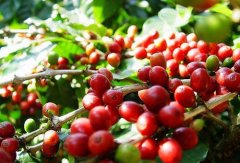
Hope Estate Coffee Beans: What Makes Them Award-Winning?
Explore the delicate floral and fruity flavors of award-winning coffee from Hope Estate, with notes of jasmine, apple, caramel, and more.
Hope Estate Honey Process Mocha Peaberry Coffee
Colombia’s Granja La Esperanza produces a rare honey-processed Mocha peaberry bean from its Hope Estate farm.
What Is Mocha Coffee Bean? Small Peaberry Explained
Learn what makes Mocha (small) coffee beans and peaberries rare, including El Injerto’s record-breaking 2012 auction at $500.5 per pound.
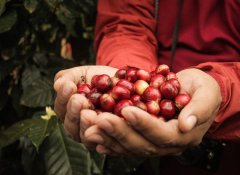
Nicaragua Honey-Processed Single-Origin Coffee Beans
Explore the sweet, fruity profile of Nicaraguan honey-processed coffee from La Sabana, featuring red bourbon and balanced body.

What Flavors Define Nicaraguan Specialty Coffee?
Nicaraguan coffee, grown in volcanic soil and shaded conditions, offers mild, soft acidity with a smooth profile. Learn what makes it unique.

Nicaragua Honey Process Red Bourbon Coffee Review
This Nicaragua Red Bourbon honey process coffee offers chocolate, red fruit, and juicy notes from 1400–1450m in Madriz. Learn what makes it special.

How Guatemala’s Terrain Shapes Its Specialty Coffee
Guatemala’s mountainous landscape and volcanic soil create ideal conditions for high-quality coffee. Here’s how elevation and geography influence flavor.