
Coffee Farm
Latest articles, industry insights and brewing guides
How Is Elephant Dung Coffee Made and Why Do People Love It?
Elephant dung coffee, like civet coffee, is rare and costly. Learn how it’s made, why it tastes smooth, and what makes it so expensive.

How to Spot Fake Instant Coffee Like Counterfeit Nestlé 1+2
A major counterfeit Nestlé 1+2 instant coffee operation was busted in Chongqing. Here’s how to identify fake coffee and what’s at stake.
How Honey Processing & Roast Levels Define Costa Rican Coffee
Explore how Costa Rica’s honey process and roast levels shape flavor, from black honey’s fruity depth to La Minita’s manual sorting standards.

What Coffee Grows in Costa Rica? Key Origins & Facts
Costa Rica grows 10% of its coffee domestically. Its famous high-altitude beans come from regions like Tarrazú, known for clean, sweet profiles.
How to Roast Papua New Guinea Coffee Beans
Discover the ideal roast level for Papua New Guinea coffee and how proper roasting preserves its bright acidity and fruity complexity.
Indonesian Coffee Processing Methods Explained
Discover how Indonesian coffee is processed, including wet hulling and extended aging, and why these methods create its signature earthy, syrupy profile.
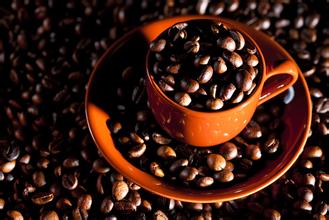
What Does Tanzanian Coffee Taste Like?
Tanzanian coffee delivers bright citrus, floral notes, and a balanced sweetness, often best enjoyed as a light-roasted single origin or peaberry.
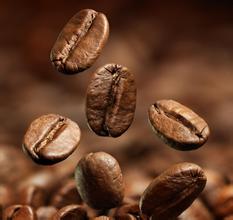
What Makes Indonesian Coffee Unique?
Indonesian coffee is known for its bold, syrupy profile and low acidity. Learn what makes Mandheling, Ankola, and Sulawesi beans stand out.
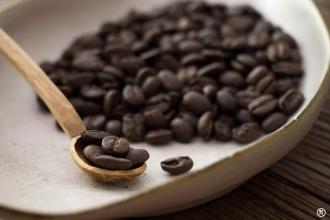
Kilimanjaro Coffee: Tanzania’s Volcanic-Origin Specialty Bean
Discover the unique qualities of Kilimanjaro coffee from Tanzania’s Mount Kilimanjaro region, known for its winey fruitiness and smooth acidity.

When Was Tanzanian Coffee First Discovered?
Tanzanian coffee, known for its bright acidity and floral notes, was first planted in the 19th century. Learn its origin, flavor profile, and how it's grown today.
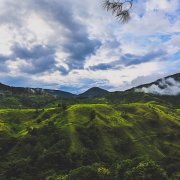
How Panama's Carmen Estate Grows Specialty Coffee
Learn how Panama’s Carmen Estate produces high-quality single-origin beans through selective harvesting and eco-friendly farming.
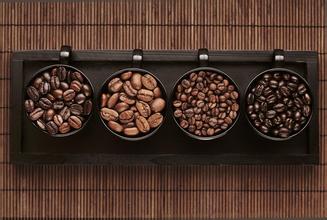
Does Rwanda Coffee Work Well Washed?
Yes—Rwandan coffee shines with washed processing. Its bright acidity, clean cup, and fruity-chocolate profile come through best with the washed method.
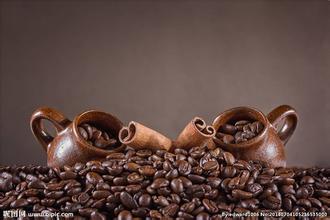
Which Coffee Beans Store Best? Rwanda Coffee Origins Explained
Rwandan Bourbon coffee stores well due to its dense structure and high acidity, with water-washed processing extending freshness. Learn optimal storage and flavor traits.
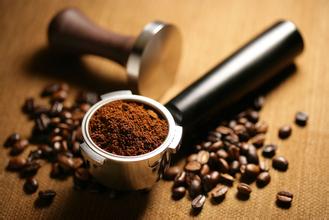
What Makes Rwandan Coffee Unique and How Acidic Is It?
Rwandan coffee is known for bright citrus acidity, clean washed profiles, and notes of berries and chocolate. It’s not overly sour and shines at light to medium roast levels.

What Makes Madagascar Coffee Different?
Madagascar mainly grows robusta, but plans to expand arabica. Its beans offer balanced flavor and suit dark roasts for espresso drinks.
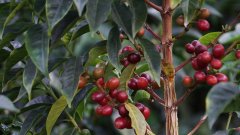
How Costa Rica Became a Specialty Coffee Powerhouse
Learn how Costa Rica turned coffee into a national industry, producing high yields per hectare and pioneering honey processing.

How Many Ways Can You Brew Coffee? Essential Tools Explained
Discover the common methods to brew coffee at home and the basic tools you need, from French press to drip setups.
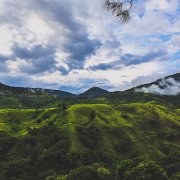
Kenya IYEGO Cooperative: AA Washed Coffee from Kangema
Discover the tightly managed Kenya IYEGO Cooperative farm in Kangemia producing bright AA-grade beans with intense berry and wine notes.
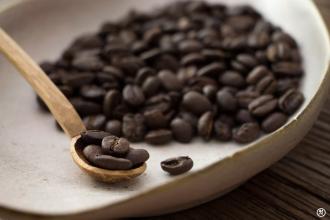
How Is Kenyan Coffee Grown? Key Farming Methods Explained
Kenyan coffee grows at 1500–2100m altitude, harvested twice yearly with up to seven selective pickings. Learn how smallholders process and sell their beans through cooperatives.
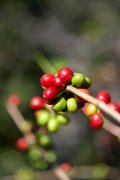
Kenya SASINI Estate Coffee: Dual-Fermented SL28
Kenya’s SASINI estate grows SL28 at 1500–2000m using a unique double fermentation method, producing bright blueberry and citrus flavors.