
Coffee Farm
Latest articles, industry insights and brewing guides
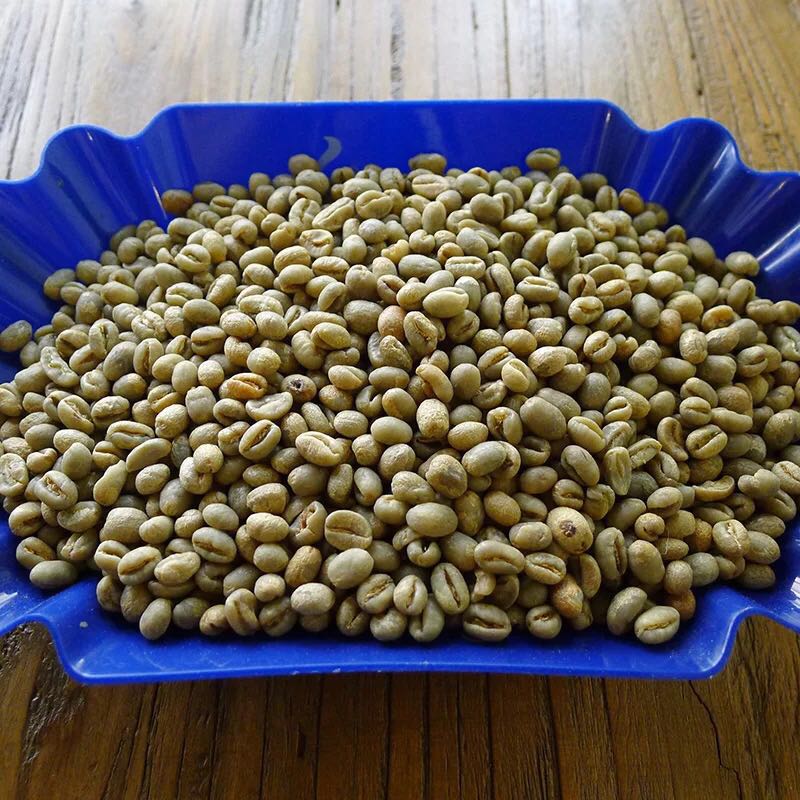
What Tools and Methods You Need to Brew Coffee Beans at Home
Learn how to choose quality coffee beans, grind them right, and brew with the best water temperature and tools for a delicious cup at home.
The Origins and Types of Coffee Beans Explained
Explore the origins, global spread, and major varieties of coffee beans, from Ethiopia to Indonesia and Latin America.

Madagascar Coffee Beans: Characteristics and Brewing Guide
Learn the key traits of Madagascar coffee beans, mostly Robusta with plans to grow more Arabica, and how to brew them properly.

How Kenya Grows Its World-Famous Coffee Beans
Discover how Kenya produces high-quality coffee with unique flavors through strict farming, processing, and auction systems at high altitudes.
What Makes Kenyan Coffee Beans Unique?
Kenyan coffee is celebrated for its high-altitude flavors, bright acidity, and complex fruit notes. Learn why it's prized by specialty roasters worldwide.
What Makes Ethiopian Coffee Beans Unique and How to Brew Them
Explore Ethiopia’s wild-grown coffee heritage, key regions like Yirgacheffe and Sidamo, and the best brewing methods to highlight their bright acidity.

What Makes Colombian Coffee Beans Unique?
Colombian coffee offers balanced, smooth flavors with bright acidity—learn its origins, key regions, and why it’s distinct among global coffees.

Where and How to Grow Coffee Trees Successfully
Learn the essential climate, soil, and environmental conditions needed to grow healthy coffee trees and produce quality beans.

How to Grow Coffee Trees: Conditions & Techniques
Learn the essential growing conditions, soil, spacing, and care techniques for cultivating healthy coffee trees, from seed selection to harvest.

How Much Are Nicaraguan Coffee Beans and How to Brew Them
Nicaraguan coffee beans are aromatic and mild, often used for single-origin or blends. Prices per kg vary, with premium beans grown in Matagalpa and Jinotega.

Honduras Coffee Bean Prices and Flavor Profile
Honduras produces some of Central America’s best washed Arabica, with flavor notes from fruit to chocolate. Learn what affects its price and cup quality.

What Honduras Coffee Tastes Like: Balanced & Bright
Honduras produces two prized specialty coffees: highland and premium highland beans with balanced acidity, fruitiness, and smooth body.

What Does Honduran Specialty Coffee Taste Like?
Honduran coffee offers balanced acidity, fruity or floral notes, and a clean finish. Grown at 1000–2000m, it’s ideal for espresso blends or single origin.
What Makes Guatemalan Coffee Beans Unique?
Guatemalan coffee beans are high-altitude grown, mostly washed-processed Arabica with distinct acidity, medium density, and complex flavor profiles.

What Makes Guatemalan Coffee Unique? Bean Varieties Explained
Guatemalan coffee features bright acidity, medium-dense beans, and complex flavors. Learn why these high-altitude Arabicas stand out and which varieties dominate.

What Makes Salvadoran Coffee Unique? Flavors, Types & History
Salvadoran coffee is known for balanced, mild flavors. Learn about its unique characteristics, key growing regions, and the types like Pipil and Pacamara.

Costa Rican Coffee Beans: What Makes Them Special
Learn why Costa Rican coffee is prized, how altitude shapes flavor, and what processing methods define its signature sweetness.
What Makes Costa Rican Coffee Unique in Flavor and Profile?
Discover the bright, sweet acidity and clean profile of Costa Rican coffee, grown at high altitudes with volcanic soil and processed via washed and honey methods.

What Makes Papua New Guinea Coffee Unique?
Papua New Guinea coffee offers bright acidity, fruity sweetness, and a silky body from high-altitude washed Typica. Learn its flavors, processing, and pairing tips.

What Makes Indonesian Coffee Beans Unique
Discover the unique characteristics of Indonesian coffee beans, including Mandheling, Java, and Sulawesi coffees, and how they’re processed.