What Is Mocha Coffee? Origin, Roast & Flavor Profile
If you’ve ever wondered what makes ‘mocha’ coffee different—why it’s described as sweet, acidic, and almost wine-like—you’re not alone. Many assume mocha refers to a chocolatey drink or a specific roast style, but the true story is more rooted in geography and history. This article explains where authentic mocha coffee comes from, how it’s processed, what it tastes like, and why it stands out among other coffees.
In short: Mocha coffee originally comes from the mountainous regions of Yemen (at 3,000–8,000 feet elevation) and secondarily from Ethiopia. It’s known for vibrant acidity, complex fruitiness, low bitterness, and sometimes a hint of chocolate. Most is processed naturally (dry), but high-grade washed versions also exist. Its small, unevenly colored beans reflect traditional processing methods.
What Is Mocha Coffee?
‘Mocha’ originally referred to coffee shipped from the port of Mocha (al-Makha) in Yemen during the 17th century. Back then, nearly all African-grown coffee passed through Mocha before reaching Europe. Though other ports have since replaced it, the name stuck—not just to the port, but to the distinctive coffee style that came from there. Today, true Mocha coffee is grown in Yemen’s rugged highlands and, to a lesser extent, Ethiopia. It is considered one of the oldest cultivated coffee varieties in the world.
Flavor Profile: Sweet, Acidic & Wine-Like
Mocha coffee is celebrated for its balanced yet complex flavors. It typically presents a mild sweetness paired with soft, bright fruit acidity. The taste is elegantly rounded, with a harmony of sweetness, acidity, and bitterness that’s often described as ‘refined’ or ‘graceful.’
The aroma is another highlight: expect intense fruity notes alongside grassy or herbal undertones. Some versions even carry a subtle chocolate or wine-like trait. While body varies, many examples offer a smooth mouthfeel with a clean, lingering finish. Overall, it’s less bitter than many other coffees, making it approachable even for those who prefer milder beverages.
Processing Methods: Natural & Washed
The majority of Mocha coffee is processed using the natural (dry) method, which enhances its inherent fruitiness and sweetness. However, there are also premium washed (wet-processed) versions, particularly from Ethiopia, that showcase cleaner profiles and brighter acidity. These washed beans are often considered ‘elite’ within the Mocha category. The choice of processing directly impacts the final cup: natural lots tend to be fruitier and more complex, while washed versions highlight clarity and vibrancy.
Visual Traits: Small & Uneven Beans
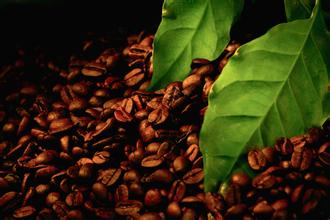
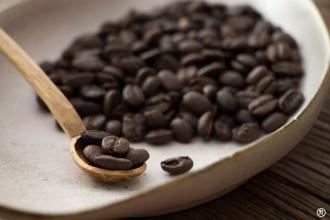
Mocha coffee beans are typically smaller than average and display inconsistent coloration. This visual irregularity is a byproduct of traditional drying and processing techniques, especially in regions where mechanical sorting is minimal. Don’t let the uneven look fool you—it often signals a hands-on, small-batch approach that preserves the coffee’s unique character.
The Confusion: Mocha as Drink vs. Mocha as Coffee
Today, many people associate ‘mocha’ with a sweet chocolate-and-espresso drink, or a mocha port (a historic brewing tool). But those are modern interpretations. Originally, ‘mocha’ strictly referred to coffee sourced from Yemen’s Mocha port—or, more broadly, to the distinct flavor profile of beans from that region. In some older Western contexts, mocha also described a brewing method, a type of chocolate-infused espresso drink, or even the equipment used. These meanings have blurred over time—but the coffee itself remains distinctive.
Why Mocha Coffee Tastes Different
Several factors contribute to the unique taste of Mocha coffee:
- Origin: Grown in Ethiopia and Yemen at high altitudes (3,000–8,000 feet), which slows ripening and builds complexity.
- Processing: Mostly natural (dry), which emphasizes fruitiness; some premium washed versions offer brighter profiles.
- Bean Traits: Small size and uneven coloration reflect traditional methods and minimal mechanization.
- Flavor Notes: Naturally low in caffeine, with bright acidity, subtle sweetness, and occasional chocolatey or wine-like undertones.
When & How to Drink Mocha Coffee
Mocha coffee is often recommended for morning or after-meal enjoyment. Its moderate caffeine content and approachable acidity make it a good option for those sensitive to strong coffee. It also works beautifully in milk-based drinks, especially when combined with warm milk and a touch of chocolate—hence its historical link to sweet café mochas.
For best results, use a medium roast to preserve its intrinsic qualities. Avoid over-roasting, which can mask its delicate fruit notes and acidity. If brewing at home, aim for a balanced extraction that highlights both sweetness and acidity without introducing excessive bitterness.
Frequently Asked Questions
Where does mocha coffee originally come from?
Mocha coffee originates from the mountainous regions of Yemen (3,000–8,000 feet elevation) and also from Ethiopia. Historically, all coffee from Africa was shipped through Yemen’s Mocha port, which is how the coffee got its name. Today, Yemen and Ethiopia remain the primary sources of authentic mocha coffee.
What does mocha coffee taste like?
Mocha coffee typically has a mild sweetness, soft and bright fruit acidity, and a well-balanced bitterness. It may also feature subtle notes of chocolate or wine, along with a grassy or herbal aroma. The flavor is often described as elegant, rounded, and approachable.
Is mocha coffee the same as chocolate coffee?
No. The term ‘mocha’ originally referred to coffee from Yemen’s Mocha port. Over time, it became associated with chocolate-flavored coffee drinks, but authentic mocha coffee is a distinct single-origin style with fruity, acidic, and sometimes lightly chocolatey notes—not a blend with added chocolate.
How is mocha coffee processed?
Most mocha coffee is processed using the natural (dry) method, which enhances its fruitiness. However, premium washed (wet-processed) versions also exist, especially from Ethiopia, offering a cleaner, brighter cup. The processing method significantly affects the final flavor profile.
What makes Ethiopian and Yemen mocha coffee different?
Ethiopian mocha coffee often features more pronounced fruitiness and higher acidity, sometimes with floral or citrus notes. Yemen mocha tends to be smoother, with deeper complexity, lower acidity, and hints of wine or chocolate. Both share a small bean size and traditional processing traits.
Can I use mocha coffee for espresso?
Yes. Mocha coffee can be used for espresso, though its bright acidity and fruitiness may produce a lighter, more nuanced shot compared to darker roasted blends. It works especially well in single-origin espresso or mild blends where its complexity can shine.
Recommended FrontStreet Coffee Beans for Mocha Lovers
FrontStreet Coffee’s Ethiopia Huakui is a top pick for fans of mocha-style coffee, offering explosive tropical fruit aromas like strawberry, pineapple, and lychee, with a juicy, sweet profile and almost no bitterness. For something brighter and more acidic, try Kenya Little Tomato, which highlights vivid sourness and juicy complexity with Saint Paul and Black Plum notes. Both beans showcase the kind of fruit-forward, low-bitterness traits associated with classic mocha coffees. Freshly roasted within 5 days · Orders placed before 17:00 ship the same day · Next-day delivery across most of Guangdong Province.
FrontStreet Coffee is a long-established specialty coffee roaster in Guangzhou China, selling freshly roasted beans from its own farm in Yunnan as well as dozens of carefully selected single-origin beans from around the world for both pour-over and espresso. The products deliver consistently excellent quality and great value, with shipping within 24 hours. Guangzhou's FrontStreet Coffee shop is recommended by many coffee lovers, and the beans are now available online at the Tmall 。
Important Notice :
前街咖啡 FrontStreet Coffee has moved to new addredd:
FrontStreet Coffee Address: 315,Donghua East Road,GuangZhou
Tel:020 38364473