How to Make Classic Mandheling Coffee at Home
If you’ve ever craved a bold, full-bodied coffee with a distinct bitterness and smoky edge—something more than your average cup—Mandheling might be what you’re looking for. This Indonesian single origin is known for its weighty mouthfeel, earthy depth, and classic bitter-sweet contrast. But how do you actually make it taste right at home? Let’s break down the essentials.
The classic Mandheling coffee drink is made with 15g of deep-roasted Mandheling beans, brewed as a 60ml espresso shot, then mixed with 250ml of steamed milk and 10g of sugar. That’s the standard formula used for this smooth, intense cup that highlights the bean’s signature roasted and malty character.
What Is Mandheling Coffee?
Mandheling is a trade name for high-quality Indonesian Arabica coffee grown primarily in North Sumatra, particularly around Lake Toba in the Lintong region and the Gayo highlands of Aceh. Despite the name, it has no direct link to the Mandailing people—it originated as a historical mislabeling that stuck. What makes Mandheling unique is its processing method and terroir.
Why Mandheling Tastes So Bold and Earthy
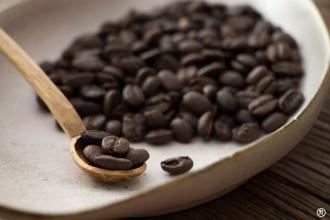
Mandheling is almost always deeply roasted, enhancing its inherent traits: thick body, heavy mouthfeel, low acidity, and pronounced notes of herbs, wood, spice, and even carbon-like smokiness. The coffee’s distinctive profile comes from the wet-hulled (Giling Basah) process—a regional method where coffee parchment is removed while the bean is still fairly moist, accelerating drying but also locking in intense, earthy flavours. Add in Indonesia’s volcanic soil and high humidity, and you get a coffee that’s unmistakably bold.
The Wet-Hulling (Giling Basah) Process
Here’s how it works: after harvest, coffee cherries are pulped and briefly fermented. Then, instead of fully drying the beans inside their husks to the usual 11–12% moisture, they’re hulled at around 30–50% moisture. This early removal of the parchment layer exposes the green bean to the air—and to the local microclimate—speeding up drying but contributing to that iconic heavy, spicy, sometimes dirty profile that Mandheling fans either love or need time to appreciate.
How to Make Mandheling Coffee at Home (Step-by-Step)
You’ll need just three ingredients:
- 15g of deep-roasted Mandheling coffee beans
- 250ml whole milk
- 10g sugar (optional)
Follow these steps:
- Brew a 60ml shot of espresso using an espresso machine. Quality matters: the shot should have a rich crema (coffee oil layer) on top for maximum aroma.
- Steam 250ml of milk until it’s smooth and velvety with microfoam. The ideal temperature is around 60–65°C.
- Pour the espresso into a cup, then add the steamed milk. Stir gently.
- Add 10g of sugar if you prefer a sweeter cup. Many drinkers enjoy it without.
The whole process takes about 10 minutes from start to finish—including brewing and steaming.
Flavour Profile of a Classic Mandheling Cup
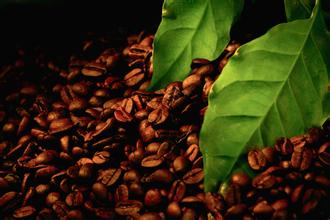
Expect a thick, syrupy body with a strong bitter edge, balanced (for some palates) by a lingering sweetness. Common tasting notes include dark chocolate, roasted nuts, herbal tones, molasses, and a faint carbon-like or smoky nuance. The aftertaste is long, often described as bittersweet or earthy. Acidity is very low, which lets the heavy roast character dominate.
Why Use Deep-Roasted Beans?
Mandheling is traditionally roasted dark—to a level where oils rise to the bean’s surface and the Maillard reactions create deeper flavour compounds. This roast level emphasizes the bean’s natural tendencies toward bitterness, maltiness, and spice, while muting bright acidity. It’s the roast style that brings out the “carbon-like” quality often associated with classic Mandheling.
Common Brewing Mistakes to Avoid
- Using light or medium roast Mandheling beans—this will not deliver the classic heavy-bodied profile.
- Under-extracting the espresso shot, which leads to sourness and weak crema.
- Overheating the milk above 70°C, which scalds it and ruins texture.
- Skimping on the milk—if you want that classic milky coffee balance, 250ml is about right for 60ml of espresso.
Frequently Asked Questions
What is the best roast level for Mandheling coffee?
Mandheling is almost always brewed as a dark roast. This enhances its natural bitterness, maltiness, and earthy flavours, and creates the heavy body and thick crema it’s known for. Light or medium roasts won’t deliver the classic profile.
Do I have to use an espresso machine to make Mandheling coffee?
For the traditional method described here, yes—an espresso machine is required to produce the 60ml crema-rich shot that forms the base. However, you could substitute with a strong Moka pot brew or AeroPress concentrate in a pinch, though the texture and crema will differ.
What milk is best for Mandheling coffee?
Whole milk is ideal because of its fat content, which creates a richer foam and smoother mouthfeel. You can use skim or plant-based milk, but the texture and creaminess will not be the same.
Is sugar necessary in Mandheling coffee?
No. Many drinkers enjoy Mandheling without sugar to appreciate its natural bitter and earthy flavours. However, 10g of sugar is commonly added for balance if preferred.
Where does Mandheling coffee come from?
Despite the name, Mandheling coffee is grown in Indonesia, mainly in North Sumatra (Lintong near Lake Toba) and Aceh (Gayo Highlands). The name originated from a historical mislabeling of Sumatran coffee as coming from the Mandailing region.
What’s the difference between Mandheling and other Indonesian coffees?
Mandheling typically refers to Arabica beans from Sumatra processed using the wet-hulled (Giling Basah) method, which gives it a heavier body and earthier profile compared to other Indonesians like Java or Flores beans, which may use different processing or come from higher altitudes.
Recommended FrontStreet Beans for Mandheling-Style Coffee
For an authentic Mandheling experience, try FrontStreet Coffee’s PWN Golden Mandheling. These beans are carefully selected from the PWN cooperative in Sumatra, with strict quality control ensuring fewer than 3 defects per 300g and only 18+ mesh beans. They feature a deep, clean profile with sweet, spicy, and woody notes. For a more classic Sumatran profile, Lintong Mandheling offers heavy body, strong spice and herbaceous tones, and that signature Mandheling earthiness—all typical of the wet-hulled process. Both beans are dark-roast specialists. Freshly roasted within 5 days · Orders placed before 17:00 ship the same day · Next-day delivery across most of Guangdong Province.
FrontStreet Coffee is a long-established specialty coffee roaster in Guangzhou China, selling freshly roasted beans from its own farm in Yunnan as well as dozens of carefully selected single-origin beans from around the world for both pour-over and espresso. The products deliver consistently excellent quality and great value, with shipping within 24 hours. Guangzhou's FrontStreet Coffee shop is recommended by many coffee lovers, and the beans are now available online at the Tmall 。
Important Notice :
前街咖啡 FrontStreet Coffee has moved to new addredd:
FrontStreet Coffee Address: 315,Donghua East Road,GuangZhou
Tel:020 38364473