
Coffee Farm
Latest articles, industry insights and brewing guides

Colombian Coffee Species: Plant Morphology Explained
Discover the botanical traits of Colombia’s dominant coffee species, from leaf shape to cherry size—key facts for specialty growers and enthusiasts.

Brazilian Pulped-Natural Coffee: Flavor & Processing Explained
Learn how Brazil’s pulped-natural (honey) process creates low-acid, sweet, nutty coffees with bold body—plus why it revolutionized global perceptions of Brazilian coffee.
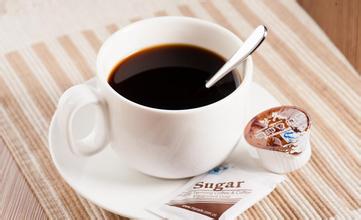
What Is Coffee Honey and Why It Matters in Processing
Learn what coffee honey is, how it affects flavor, and how it differs across processing methods. Essential reading for coffee lovers.
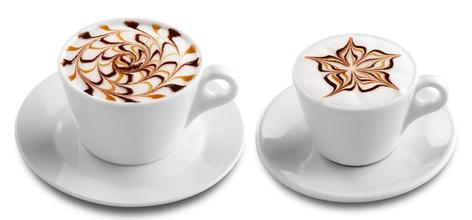
Jamaica Blue Mountain Coffee: History, Geography & Classification
Learn what makes Jamaica Blue Mountain coffee special, where it really comes from, and how to tell the real thing from common imitations.

What Makes Jamaica Blue Mountain Coffee So Expensive and Unique?
Jamaica Blue Mountain coffee delivers balanced acidity, sweetness, and mild bitterness. Learn why it’s rare, costly, and brewed best at medium roast.

Brazilian Coffee Flavor Profile & Roasting Guide
Explore Brazil’s distinct coffee flavors, ideal roast levels, and how high-quality beans stand out in espresso and filter brewing.
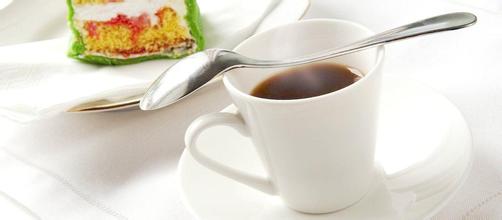
Why Do Foreigners Love Coffee? Health Benefits Explained
Coffee boosts focus, protects against radiation, aids digestion, and may prevent cancer and liver disease. Here’s what science says.
Salvadoran Specialty Coffee Grading & Flavor Guide
Learn how strict grading ensures Salvadoran specialty coffee quality, plus ideal roast levels and flavor notes backed by scoring data.

What Does Guatemalan Coffee Taste Like?
Guatemalan highland coffees feature bright acidity, floral notes, and rich complexity. The Antigua region delivers smoky chocolate tones and citrusy depth.
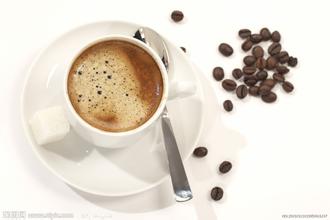
How Salvadoran Coffee Differs from Regular Coffee Beans
Salvadoran coffee is lighter, aromatic, and mildly acidic, with higher-elevation beans graded better. Learn how war, taxes, and hybrid varieties shaped its profile.
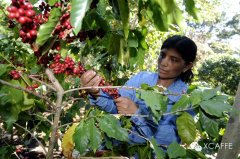
Costa Rican Washed Process Specialty Coffee Beans
Learn why Costa Rican washed-process coffee beans deliver clean, bright acidity with a balanced body, and how to roast them properly.
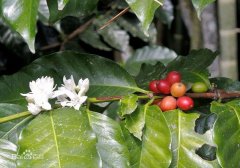
Colombian Specialty Coffee Beans by Farm
Not all Colombian coffee tastes 'specialty.' Learn which regions, farms, and processing methods deliver the high-scoring cup profiles Colombia is known for.
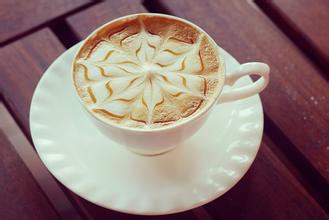
The Origins and Rise of Costa Rican Coffee
Discover how Costa Rica’s 200-year coffee legacy shaped its economy, landscape, and global reputation—starting with a 1729 Cuban import.
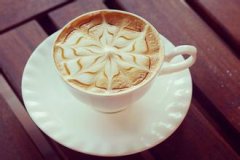
Costa Rica Coffee: Origins, Processing & Flavor Profile
Learn how Costa Rica’s coffee industry evolved over 200 years, why its honey-processed beans stand out, and where the best high-altitude beans are grown.
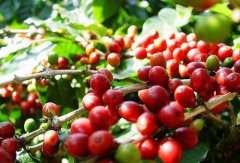
What Does Mexican Coffee Taste Like? Freshness & Flavor Guide
Explore Mexico’s fresh single-origin coffee profiles, ideal roast levels, and regional taste differences—from bright Chiapas to mild Oaxaca.
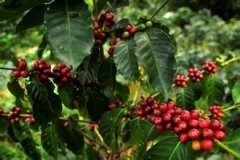
What Makes Peruvian Coffee Unique in Latin America
Peruvian coffee scores well in aroma, brightness, and body. Medium-dark roasts bring out its best flavors, often overlooked due to past processing issues.

When Did Papua New Guinea Coffee Enter Global Markets?
Papua New Guinea coffee began reaching international markets in the 1970s, peaking by 1990. Learn how frost in Brazil spurred its rise—and what almost ruined its reputation.
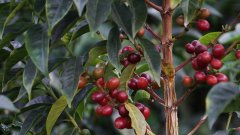
Indonesia’s Golden Mandheling Coffee Beans
Explore the origins, processing, and flavor profile of Indonesia’s famed PWN Golden Mandheling, a high-grade washed Mandheling with a bold, clean cup.

Where Did Coffee Originate and When Did It Come to China
Coffee likely originated in Yemen in 1258 when Sheikh Omar discovered its energizing effects. It reached China much later, gaining popularity in modern times.
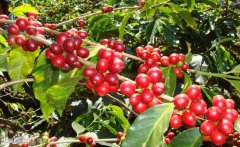
Yemeni and Ethiopian Specialty Coffee Harvest
Learn why handpicking ripe coffee cherries is essential for high-quality Yemeni and Ethiopian specialty beans, and explore the unique profiles of Mattari and Yirgacheffe coffees.