How Costa Rica Became a Specialty Coffee Powerhouse
When you sip a bright, clean cup of coffee with distinct sweetness and balanced acidity, there’s a good chance it comes from Costa Rica. But how did a small Central American country with limited land become one of the most reliable sources of high-quality coffee? The answer lies not just in altitude or climate, but in decades of focused agricultural policy, volcanic soils, and innovative processing techniques.
Costa Rica produces around 1,700 kilograms of coffee per hectare—the highest yield in the region—and grows over 400 million coffee trees for its population of just 3.5 million. Coffee makes up 25% of the country’s exports and supports roughly one-third of its workforce.
The Origins of Coffee in Costa Rica
Coffee arrived in Costa Rica as early as 1729, brought from Cuba, but commercial cultivation truly began in 1808. Since then, coffee has played a defining role in the nation’s economy and development. Unlike many of its neighbors, Costa Rica was one of the first countries in Central America to plant coffee and bananas on a large scale for export, driven by fertile volcanic soils and strategic elevation.
Why Costa Rican Coffee Thrives: Geography and Soil
Over 40% of Costa Rica’s coffee is grown on the Central Plateau, where conditions are ideal. The region features deep layers of volcanic ash and pumice, creating rich, well-draining soil. This volcanic foundation, combined with high altitudes—often between 1,700 and 1,800 meters—and consistent rainfall, encourages slow cherry maturation and complex flavors. The area’s microclimates and dense forests also provide natural shade, essential for healthy coffee trees.
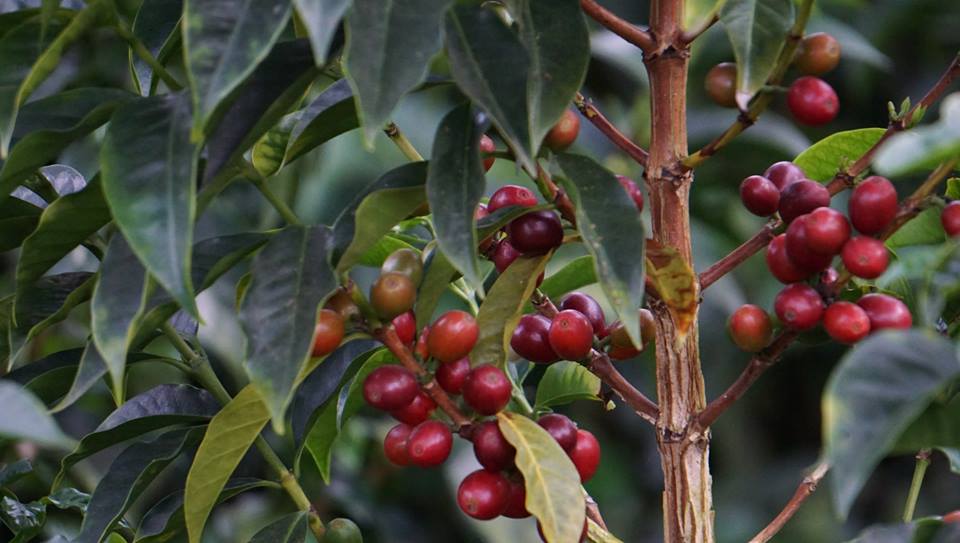
The Rise of Honey Process in Costa Rica
While Costa Rica initially relied on traditional washed processing, water shortages in the 20th century pushed producers to innovate. They adapted Brazil’s pulped natural technique into what is now known globally as the honey process—a method unique to the country’s terroir. In this process, coffee cherries are depulped but some or all of the sticky mucilage (fruit pulp) is left on the beans during drying. The amount of mucilage retained—and the length of fermentation—influences the final flavor and defines the four styles of honey process: black, red, yellow, and white.
What Are the Four Honey Types?
- Black Honey: Almost all mucilage is kept, dried slowly (often 14+ days), producing intense sweetness and fruity complexity.
- Red Honey: A moderate amount of mucilage is retained, with slightly faster drying for balanced sweetness and body.
- Yellow Honey: Less mucilage, faster drying, resulting in brighter acidity and lighter sweetness.
- White Honey: Minimal mucilage, dried quickly for a cleaner, more nuanced cup.
FrontStreet Coffee's Take on Costa Rican Honey Process
Among the country’s most notable examples is the FrontStreet Coffee offering “” (FrontStreet Blackberry), a black honey-processed coffee that skips nearly all mucilage removal. It’s dried for over 14 days under partial shade to ensure full sugar development, resulting in a syrupy body, deep berry notes, and a rich, lingering sweetness. Another option is “” (FrontStreet Mozart), made with grape-dried raisin-style mucilage retention before a final 11% moisture finish. It’s medium-light roasted to highlight winey, floral, and fermented raisin characters.
Frequently Asked Questions
What is special about Costa Rican coffee?
Costa Rican coffee is known for its bright acidity, clean cup profile, and consistent quality, largely due to strict grading laws, high-altitude growing conditions, and volcanic soils. The country also pioneered the honey process, which adds unique fruit and sweet profiles.
How much coffee does Costa Rica produce per hectare?
Costa Rica produces approximately 1,700 kilograms of coffee per hectare, one of the highest yields in the world, supported by fertile volcanic soil and advanced agricultural practices.
What is the honey process and where did it originate?
The honey process is a coffee method where some or all of the fruit mucilage is left on the beans during drying. It originated in Costa Rica as an adaptation to water scarcity, evolving from the Brazilian pulped natural technique into a distinct style with black, red, yellow, and white variations.
Which regions in Costa Rica grow the best coffee?
The Central Plateau is Costa Rica’s primary coffee-growing region, favored for its volcanic soils, high altitudes (1,700–1,800m), and consistent microclimates. Other regions include Tarrazú, West Valley, and Heredia, each contributing unique flavor profiles.
What is the role of coffee in Costa Rica’s economy?
Coffee accounts for about 25% of Costa Rica’s exports and supports roughly one-third of the population through direct and indirect employment, making it a cornerstone of the national economy.
What are the different types of honey process coffee?
The four main types are black honey (most mucilage, sweetest), red honey (moderate mucilage), yellow honey (less mucilage), and white honey (least mucilage), each offering different levels of sweetness, body, and fermentation flavor.
Recommended FrontStreet Beans for Honey Process Fans
For fans of Costa Rica’s signature honey process, try FrontStreet Coffee’s (Blackberry), a black honey-processed lot dried up to 14 days for intense berry sweetness and syrupy texture. Also consider (Mozart), a grape-dried raisin-style honey with 11% moisture, offering fragrant raisin, rose, and vinous notes. Both beans showcase Costa Rica’s innovation in processing and terroir-driven sweetness. Freshly roasted within 5 days · Orders placed before 17:00 ship the same day · Next-day delivery across most of Guangdong Province.
FrontStreet Coffee is a long-established specialty coffee roaster in Guangzhou China, selling freshly roasted beans from its own farm in Yunnan as well as dozens of carefully selected single-origin beans from around the world for both pour-over and espresso. The products deliver consistently excellent quality and great value, with shipping within 24 hours. Guangzhou's FrontStreet Coffee shop is recommended by many coffee lovers, and the beans are now available online at the Tmall 。
Important Notice :
前街咖啡 FrontStreet Coffee has moved to new addredd:
FrontStreet Coffee Address: 315,Donghua East Road,GuangZhou
Tel:020 38364473