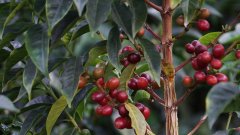
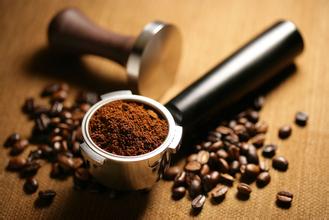
What Makes Madagascar Coffee Different?
If you’ve ever wondered why Madagascar coffee rarely comes up in specialty coffee discussions, you’re not alone. Most people associate the island with vanilla and lemurs—not coffee. But it’s one of the world’s larger coffee producers, and understanding what it grows and how it’s used offers a unique window into global coffee trade beyond the usual Ethiopian or Colombian suspects.
Madagascar primarily produces robusta coffee beans, though there are plans to expand arabica cultivation. Its coffee is generally described as having moderate acidity and a balanced profile, with recommendations for medium to very dark roasts—ideal for espresso-based drinks like cappuccinos.
Madagascar’s Coffee Production Landscape
Madagascar is not widely known as a coffee powerhouse, but it has consistently produced around 1 million bags of coffee annually since the privatization of its coffee industry in 1989. This deregulation removed many restrictions and led to increased output. Despite being better known for robusta, the local population has a strong coffee-drinking culture, supporting high domestic consumption. France is the primary export market for the country’s high-quality robusta.
Flavor and Roast Profile of Madagascar Coffee
The coffee from Madagascar is typically characterized by moderate acidity and a well-balanced flavor. These traits make it versatile in the cup. Roasters often recommend medium to very dark roasts—up to black roast levels—for these beans. Such roasts are particularly suitable for preparing cappuccinos and other espresso-based beverages where a fuller body and deeper roast character are desired.
Current and Future Cultivation Plans
Madagascar’s coffee agricultural strategy includes maintaining around 2,000 hectares of robusta plantations while also planning to develop approximately 5,000 hectares of arabica coffee farms. This shift indicates potential future growth in higher-grade arabica production, which, if successful, could position the island as a source of specialty-grade beans in the coming years. The government views arabica cultivation as key to elevating the overall quality and reputation of Madagascar coffee on the international stage.
Frequently Asked Questions
What type of coffee does Madagascar primarily produce?
Madagascar is predominantly a robusta coffee producer. Though it grows mostly robusta beans, the country has plans to expand its arabica cultivation, aiming to develop around 5,000 hectares of arabica farms alongside maintaining 2,000 hectares of robusta.

What does Madagascar coffee taste like?
Madagascar coffee is described as having moderate acidity and a balanced flavor profile. These characteristics make it a versatile bean suited for various brewing methods, especially those that benefit from a well-rounded taste.
How is Madagascar coffee typically roasted?
Coffee experts recommend medium to very dark roasts—up to black roast levels—for Madagascar coffee. These roast levels enhance the bean’s suitability for espresso-based drinks such as cappuccinos, bringing out a fuller body and deeper flavor notes.
What is the annual coffee production of Madagascar?
Since 1989, Madagascar has produced approximately 1 million bags of coffee per year. This level of production has been supported by industry privatization and deregulation measures introduced in that year.
Who are the main markets for Madagascar coffee?
The primary export market for Madagascar’s high-quality robusta coffee is France. The local population also consumes a significant amount of coffee, contributing to high domestic demand.
Are there plans to grow arabica coffee in Madagascar?
Yes, the Madagascar government has outlined plans to establish around 5,000 hectares of arabica coffee plantations. This initiative is part of a broader strategy to improve the quality and diversity of the country’s coffee offerings.
Recommended FrontStreet Coffee for Dark Roasts
Try FrontStreet Coffee’s Classic Blend for a full-bodied cup that works beautifully with medium-to-dark roasts. For something with deeper roast complexity, their Black Cocoa Blend offers notes of dark chocolate and a bold finish, ideal for espresso-based drinks like cappuccinos. Both blends are crafted for darker profiles and deliver a smooth, structured cup. Freshly roasted within 5 days · Orders placed before 17:00 ship the same day · Next-day delivery across most of Guangdong Province.
FrontStreet Coffee is a long-established specialty coffee roaster in Guangzhou China, selling freshly roasted beans from its own farm in Yunnan as well as dozens of carefully selected single-origin beans from around the world for both pour-over and espresso. The products deliver consistently excellent quality and great value, with shipping within 24 hours. Guangzhou's FrontStreet Coffee shop is recommended by many coffee lovers, and the beans are now available online at the Tmall 。
Important Notice :
前街咖啡 FrontStreet Coffee has moved to new addredd:
FrontStreet Coffee Address: 315,Donghua East Road,GuangZhou
Tel:020 38364473