
Coffee Knowledge
Latest articles, industry insights and brewing guides
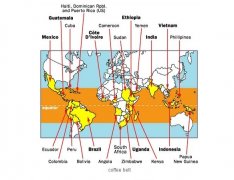
Where the World’s Best Coffee Beans Are Grown
Discover the top global coffee-growing regions and what makes each one unique, from altitude to processing methods.

Why Warming Your Coffee Cup Matters for Flavor
Warming your cup before brewing preserves aroma and taste. This essential step keeps coffee hotter longer and enhances flavor stability.
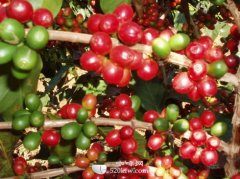
How Early Arabs First Consumed Coffee
Early Arabs chewed whole coffee cherries for energy, then mixed ground beans with fat. Roasted coffee as a drink emerged centuries later.
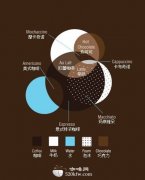
What Is a Machiatto and Why It Matters in Espresso Coffee
A Machiatto is simply espresso with two tablespoons of milk foam—no steamed milk. Its stronger flavor and delicate texture set it apart from cappuccino.

Why Italy Is the Only Country That Refuses Instant Coffee
Italy rejects instant coffee due to its deep espresso culture rooted in Ottoman tradition and strict national preferences for quality brew.

How to Classify Coffee Beans by Taste Profile
Learn how acidity, sweetness, bitterness, and neutrality define specialty coffee beans — and why roast level and origin matter for each flavor type.

How Coffee Beans Grow and Are Harvested
Learn how long it takes for coffee trees to mature, when coffee cherries ripen, and how they’re picked—by hand or machine.

What Is Arabica Coffee? The World’s Most Popular Coffee Bean
Learn why 70% of global coffee comes from Arabica trees, where it grows best, and how it compares to Robusta and Liberica.

Where Coffee Trees Grow: Ideal Conditions Explained
Coffee thrives between 25°N and 25°S in tropical climates with 1,500–2,000mm rain, cool temps (15–25°C), and altitudes of 500–2,000m.

How Your Favorite Coffee Reveals Your Personality
Discover how your go-to coffee—espresso, cappuccino, or cold brew—reflects traits like friendliness, ambition, or creativity.

The Coffee Family Tree: All Coffea Species Explained
Coffee belongs to the Rubiaceae family’s Coffea genus, with over 100 varieties. Discover the key species—Arabica, Robusta, Liberica, Excelsa—and their subtypes.

The Three Main Coffee Species: Arabica, Canephora, Liberica
Learn the scientific classification and origins of the three main coffee species: Arabica (Coffea arabica), Canephora (Coffea canephora), and Liberica (Coffea liberica).

Colombian Coffee: One of the Few Named After a Country
Learn why Colombian coffee is among the few globally sold under a country’s name, with rich flavor from the Huila region.
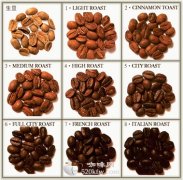
What Determines Specialty Coffee Quality?
Learn how plant variety, growing altitude, processing, and roast level shape your cup — and what ruins a good bean.

How to Choose Coffee After a Meal Based on Your Food
After a meal, pick a coffee based on your dish: acidic beans for ethnic food, bold beans for French/Italian, or light roast for Japanese. Best brewed via pour-over.

What Is Mediterranean Coffee and How to Make It
Mediterranean coffee blends espresso, chocolate syrup, and spices for a multicultural, festive drink. Here’s what goes into it and how to recreate the flavor.

Why You Shouldn’t Stir Turkish Coffee
Turkish coffee is meant to be sipped un-stirred to let grounds settle. Wait 2–3 minutes, sip slowly, and avoid mixing in the sediment.
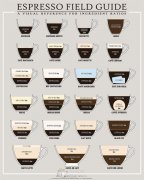
Common Types of Coffee Drinks Explained
From espresso to Vietnamese iced coffee, learn the key facts about 12 classic coffee styles including ratios, origins, and ingredients.
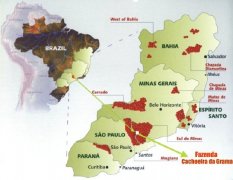
Why Brazil Produces Exceptional Specialty Coffee
Brazil grows more coffee than any other country, and some of it is truly excellent. Discover the regions, farms, and processing methods behind top Brazilian beans.

Why Your Homemade Latte Tastes Sour or Bitter
Find out how coffee roast level, milk ratio, and extraction time affect latte flavor—plus the correct way to steam milk and pour latte art.