
Coffee Knowledge
Latest articles, industry insights and brewing guides

How to Choose Fresh Roasted Coffee Beans
Learn how to assess freshness, aroma, color, and roast level when buying coffee beans to ensure the best flavor and quality.
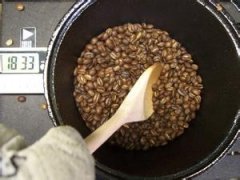
How Coffee Roasting Brings Out Unique Aromatic Flavors
Discover how coffee roasting transforms bland beans into aromatic cups by releasing acids, sweetness, and bitterness through 12–16 minutes of heat.

The Science and Art of Coffee Roasting and Processing
Learn how green coffee beans transform through roasting, blending, grinding, and brewing stages to become the coffee you drink.

How to Roast Coffee Beans at Home Using an Oven
Learn how to roast green coffee beans at home using your oven or a basic stovetop pan—complete with timing, temps, and cooling steps.
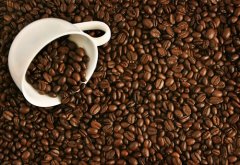
Coffee Roast Guide by Origin: Flavors & Best Levels
Find out the typical flavor profile and ideal roast level for coffee beans from 50 major origins worldwide, from Ethiopia to Vietnam.

How to Roast Coffee Beans: From First to Second Crack
A step-by-step look at coffee roasting, from green beans to first and second crack, using 1.5kg of Yemeni-style Mocha beans.
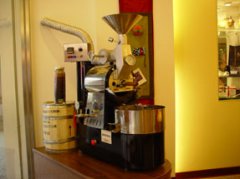
Why Freshly Roasted Coffee Beans Taste Best
Coffee peaks in flavor on the first day after roasting. Learn why freshness matters, how long it lasts, and how home roasting preserves peak taste.
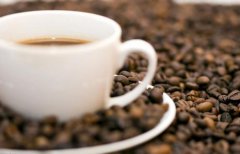
How to Store Coffee Beans: Freezing Is the Best Method
Freeze whole roasted coffee beans to preserve freshness beyond two weeks. For ground coffee, freezing can maintain aroma for about a month.

How Roast Level Affects Coffee Acidity and pH
Lighter roasts taste more acidic due to shorter roasting time; darker roasts lose acidity. pH values drop as roasting deepens.

The Coffee Roasting Trilogy: Three Methods Explained
Learn how three different home roasting methods affect coffee flavor, time, and expansion—from pan to drum to hot-air machine.
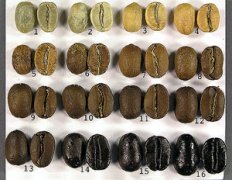
How to Visually Identify Coffee Roast Levels Step-by-Step
Learn how to judge coffee roast degree by roast color, cracking sounds, and aroma, with a full roast timeline from green to carbonized.

Why Roast Coffee Beans at Home
Discover six key reasons to roast your own coffee beans at home, from freshness to cost savings and flavor control.

What Is Coffee Roasting and How Does It Work?
Learn the fundamentals of coffee roasting: how heat transforms green beans into aromatic brown ones, and why roast level defines your cup.

How Coffee Roasting Works: The 3 Key Stages Explained
Learn the three essential phases of coffee roasting—drying, first and second crack, and cooling—and why heat control defines flavor.
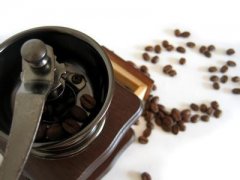
Coffee Roasting and Blending Explained
Learn how roast level and blending shape your cup, from light to dark roast profiles and common specialty coffee blends.
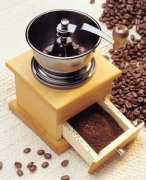
How Coffee Bean Packaging Affects Freshness
Learn how different coffee bean packaging types—valve-sealed, vacuum, pressurized, and basic—affect freshness, aroma, and shelf life.
How to Store Coffee Beans: Keep Them Cool and Dry
Learn the best ways to store coffee beans to preserve freshness, including using airtight containers, avoiding light, and keeping them cool.

How to Choose Fresh Coffee Beans: A Step-by-Step Guide
Learn how to assess coffee bean freshness by smell, appearance, and sound. Discover what makes freshly roasted beans taste better.
How to Roast Coffee Beans at Home Using a Frying Pan
You can roast fresh, flavorful coffee beans at home using just a regular stove and a frying pan. Here’s how to do it step by step.

How to Check Coffee Bean Freshness in 3 Steps
Learn to judge fresh coffee beans by smell, appearance, and sound. Discover the best storage methods and packaging types for maximum flavor.