
Coffee Knowledge
Latest articles, industry insights and brewing guides
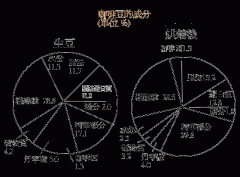
How Coffee Bean Roasting Alters Nutritional Content
Roasting coffee beans significantly changes their nutrient profile. Here’s how key compounds shift from green to roasted, backed by hard data.
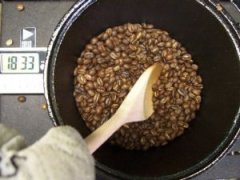
How to Roast Coffee Beans at Home Using a Frying Pan
Learn how to roast green coffee beans at home using just an iron frying pan and basic tools — 10 clear steps to fresh-roasted flavor.

Stovetop Pan Roasting Coffee: Pros and Cons
Yes, you can roast coffee at home without buying gear. A simple pan on your stove works—cheap, immediate, and educational, with clear trade-offs.

How to Store Roasted Coffee Beans the Right Way
Keep your roasted coffee fresh longer with these essential storage tips, including why fridge storage is a bad idea and how long to use opened beans.
Coffee Roast Levels Explained: From Light to Dark
Understand how coffee roast levels—from light to French—impact flavor, acidity, and body. A complete guide to 8 standard roast stages.

Why Do Coffee Beans Need to Be Roasted?
Roasting transforms raw coffee’s earthy taste into rich, aromatic flavors. Here’s how heat unlocks coffee’s true potential.
What Makes Good Coffee? Standards for Quality Roast
Good coffee starts with quality beans, proper roast timing, and freshness. Discover the 4 key criteria for great specialty coffee.

How Coffee Beans Are Roasted: From Cleaning to Packaging
Learn the full process of roasting coffee beans—from cleaning and blending to cooling and sealing—for optimal flavor and freshness.

How Coffee Beans Are Made: From Farm to Roast
Learn how coffee beans are processed, roasted, and prepared, from Ethiopia’s traditional methods to modern roasting essentials.

Why Does Coffee Taste Sour? The Truth About Acidity
Sour coffee isn't always a sign of staleness—learn how roast level, brewing temp, and origin shape acidity in your cup.

How Roast Level Shapes Coffee Flavor Profiles
Roasting determines 80% of coffee’s flavor—learn how light, medium, and dark roasts create distinct acidity, sweetness, and bitterness profiles.

The 8 Stages of Professional Coffee Roasting Explained
Explore the 8 defined roast levels in specialty coffee, from Light to Italian, with roast temps, flavors, and when each stage is used.
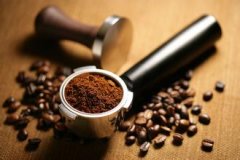
How to Store Coffee Beans Without Losing Freshness
Learn the best ways to store coffee beans to preserve freshness, aroma, and flavor. Avoid common mistakes that degrade your roast.

Average Chemical Composition of Coffee Beans Explained
Learn the average chemical makeup of green coffee beans and how roasting transforms them. Discover key ratios and what affects coffee flavor.

What Makes Coffee Bitter? Scientists Identify Key Compounds
Researchers found two compounds—chlorogenic acid lactones and phenylindanes—are responsible for coffee’s bitterness, especially in dark roasts.
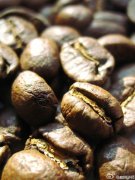
How to Roast Coffee at Home Using a Hand Pan
Learn how to roast 100g of green coffee beans at home using a simple hand pan method with clear steps, timing, and tips for consistent results.
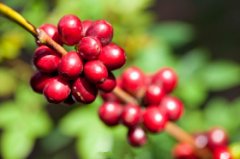
How Coffee Roast Determines Aroma and Flavor
Roasting determines 80% of coffee’s flavor. Learn how heat transforms green beans into aromatic, complex cups through light, medium, and dark roasts.
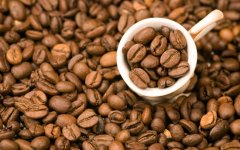
Why Americans Prefer Light Roast Coffee
Americans tend to prefer light roasted coffee for its bright acidity and fruity flavors, while British drinkers often go for darker roasts.
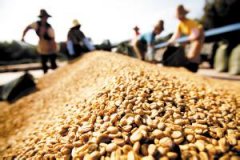
What Makes High-Quality Coffee? Roasting & Freshness Explained
Good coffee starts with clean beans, fresh roasting, proper grind, and timely brewing. Here’s what defines a truly great cup.

How to Choose Fresh Coffee Beans: Key Buying Tips
Learn how to assess freshness, roast level, and purity when buying coffee beans. Get the best cup with these expert tips.