
Coffee Knowledge
Latest articles, industry insights and brewing guides

Coffee Roasting Phases: Drying, Ramp, Smoke, and Development
Learn the essential coffee roasting phases—drying, ramping, smoking, and development—including timing, temps, and how to handle smoke and stalling.

Benefits of Home Coffee Roasting Explained
Learn why home coffee roasting lets you tailor flavor, cut costs, and explore brewing creativity with full control over roast profiles.
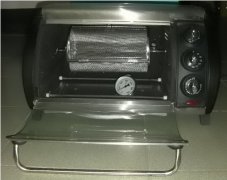
Roasting Panamanian Coffee Beans at Home with an Oven
A home roaster shares exact times, temps, and results from oven-roasting 36g of Panamanian beans to dark city roast—plus lessons learned.

World Coffee Roasting Tendencies by Region
Discover how different countries prefer their coffee roasted—from light to dark—and why regional tastes shape global roasting styles.

How Coffee Roasting Brings Out the Beans’ Best Flavors
Learn how roasting transforms green coffee beans through heat, time, and chemical change — and how to choose or roast your perfect cup.
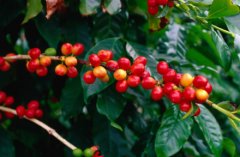
Coffee Roasting Basics: How Roast Level Shapes Flavor
Learn how roast level affects coffee flavor, from light to dark, including volume change, acidity loss, and crema production in espresso.

How Coffee Roasting Works: Stages, Tools & Flavor Science
Learn how heat transforms green beans into aromatic coffee through 3 key roast stages, the tools used, and why small-batch control matters.

The Three Stages of Coffee Bean Roasting Explained
Learn how coffee beans transform through drying, pyrolysis, and cooling — and why roast level affects flavor so much.
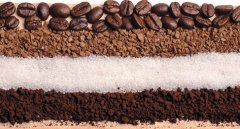
The Honeycomb Structure Inside Roasted Coffee Beans
Japanese researcher Hirose Yukio found that roasted coffee beans have a honeycomb-like internal structure that affects extraction. Learn how grind and filter size impact flavor.

How Beginners Can Buy Coffee Beans at the Roastery
Find your ideal coffee by talking to the roaster, starting small, and understanding roast dates. Learn how freshness and grind affect flavor at home.
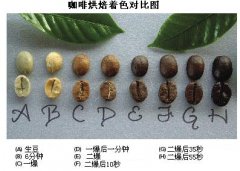
When Does the Second Crack Happen in Coffee Roasting?
Second crack starts around 204.5°C, marking transition to dark roasts. This guide details Agtron-based roast levels and their impact on flavor.
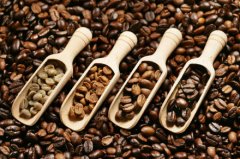
How Beginners Can Choose Great Coffee Beans from Roasteries
Learn how to buy the right coffee beans from local roasters, including how much to purchase, what to ask, and why your home brew may taste different.
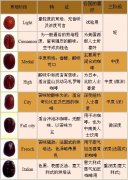
What Is Coffee Roasting? The Science Behind the Bean
Coffee roasting unlocks 700–850 aromatic compounds in green beans. Learn how heat transforms raw beans into flavorful coffee through chemical and physical changes.
How Long Should You Rest Freshly Roasted Coffee Beans?
Freshly roasted coffee needs time to degas. Learn why 'aging' or 'resting' beans improves flavor and how long to wait before brewing.

How to Store Coffee Beans and Keep Them Fresh
Keep your coffee beans fresh by avoiding light, air, moisture, and odors. Learn the best storage methods to preserve flavor and aroma.
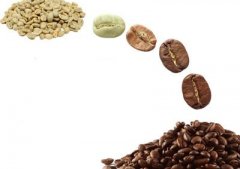
How Coffee Roasting Unlocks Hidden Aromas in Green Beans
Discover how proper roasting transforms harsh green coffee beans into aromatic wonders by unlocking over 800 flavor compounds.

How Coffee Roast Levels Define Flavor Profiles
Learn how Agtron numbers classify roast levels and how acidity, sweetness, and bitterness change with each degree of roast.
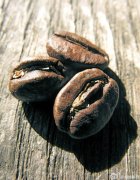
The Stages and Characteristics of Coffee Roasting
Learn the three key stages of coffee roasting—drying, high-temperature breakdown, and cooling—and how they shape flavor profiles from light to dark roast.

The Basics of Coffee Roasting: Concepts and Principles
Learn how coffee roasting transforms green beans into flavorful brews through heat, time, and chemical changes—key to great extraction.

The Coffee Roast Process and Key Considerations
Learn how coffee roasting transforms green beans in just 8–20 minutes through three key stages—dehydration, first crack, and second crack—and why timing matters.