
Coffee Knowledge
Latest articles, industry insights and brewing guides
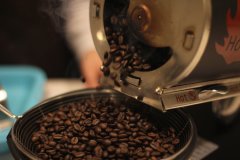
City-by-City Roast Preferences Around the World
From Tokyo’s shift toward dark roast to NYC’s classic City Roast, discover how global cities shape coffee roast styles.

Traditional Italian Oak Roasting Method for Coffee
Learn why expert roasters still use the historic Italian oak roast method for deeper, richer coffee flavors not possible with modern hot-air roasting.

Why Do Some Coffee Beans Look Oily?
Oily coffee beans aren’t always fresh. Learn which beans show oil—and when it means they’re past their prime or just right.
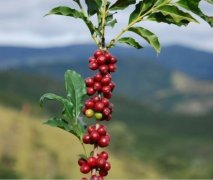
How to Read Coffee Roast Labels and What They Really Mean
Learn what terms like Italian, Vienna, and French Roast really indicate on coffee labels — and why they’re not what you think.
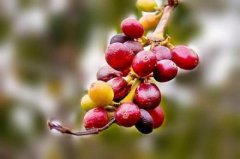
How to Blend Coffee Beans by Roast Level and Origin
Learn two proven coffee blending methods—by roast degree or origin—to balance acidity, bitterness, and flavor complexity in your blend.
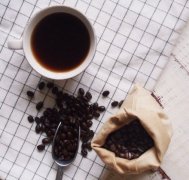
How Roasting Shapes Your Coffee’s Flavor
Coffee flavor diversity mostly comes from roasting. Learn how roast levels like light, medium, and dark change acidity, bitterness, and taste.

How to Roast Coffee Beans at Home: DIY Guide
Learn how to roast your own fresh coffee beans at home using an oven or a stovetop popper—methods that preserve aroma and flavor better than store-bought.
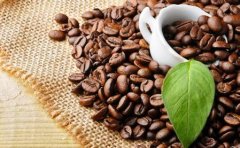
Understanding Coffee Roast Levels from Light to Dark
Learn how coffee roast levels—from light to dark—affect flavor, acidity, and body, with clear definitions for each stage.
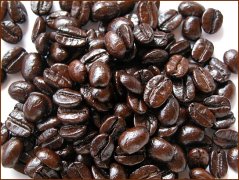
What Does French Roast Coffee Look Like?
See what French roast coffee beans really look like, with visual examples and key characteristics explained for specialty coffee drinkers.
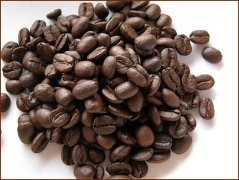
What Does Deep Roast Coffee Look Like?
Explore the visual and sensory traits of dark roasted beans, including chocolatey color, oil sheen, and flavor development.
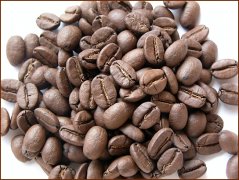
What Is Middle Roast Coffee? Flavor Guide
Learn what defines a middle roast coffee, how it balances acidity and bitterness, and discover recommended beans that showcase this roast level.
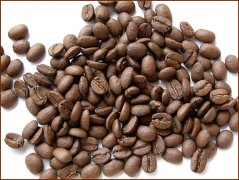
What Does Light Roast Coffee Look Like?
See real examples of light roast coffee beans and learn how roast level affects appearance, flavor, and brewing. Includes photos.
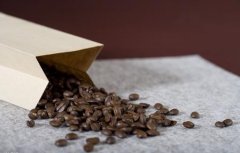
How Roasting Impacts Coffee Flavor the Most
Roasting is the most critical factor in shaping coffee flavor. Learn how roast level, time, and technique affect acidity, sweetness, bitterness, and freshness.
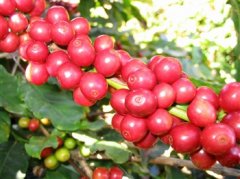
How Fresh Coffee Fruit Becomes Green Coffee Beans
Learn how coffee cherries transform into green beans through processing methods like washed, natural, and semi-washed — each impacting flavor distinctly.

How Coffee Beans Are Harvested and Processed
Learn how coffee cherries are picked by hand and processed via washed or natural methods, and how each affects flavor and quality.

10 Must-Have Factors for Specialty Coffee Beans
Learn the 10 key criteria that define a specialty-grade coffee bean, from ripeness to moisture control and processing methods.
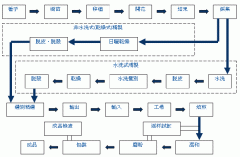
How Specialty Coffee Beans Are Actually Produced
Learn the full journey from cherry to cup—processing methods, quality checks, and what defines a specialty-grade coffee bean.
How Coffee Beans Are Picked: Natural, Washed, and Hybrid Processes
Learn how specialty coffee is harvested and processed—natural, washed, Brazilian semi-washed, and mechanical semi-washed methods explained with exact steps.

Washed vs Natural Coffee Processing: What’s the Difference?
Learn how washed (wet) and natural (dry) coffee processing methods affect flavor, quality, and price—from fermentation to drying times.

How Coffee Processing Methods Shape Your Cup
Learn how coffee processing—natural, washed, and honey—affects flavor, from bright acidity to heavy body, and what each method really involves.