
Coffee Knowledge
Latest articles, industry insights and brewing guides
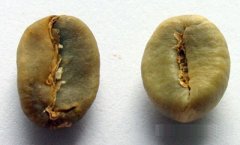
Arabica vs Robusta Coffee Beans: Key Differences
Arabica beans are longer, flatter, and greener; Robusta beans are rounder, thicker, and paler. But roast level affects appearance too.
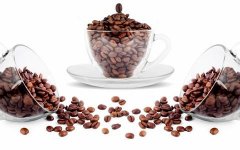
How to Tell Good Coffee Beans from Bad
Learn how to assess coffee bean freshness and quality by sight, smell, sound, and taste — with key indicators for roasters and home brewers.

What Makes Royal Copenhagen Coffee So Premium?
Royal Copenhagen coffee earns its elite status through strict sourcing, high-altitude Brazilian beans, and expert roasting — here’s why it stands apart.
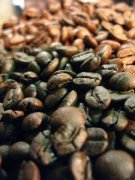
Where Did Yunnan Coffee Originate? The 1892 Story
Yunnan’s coffee story began in 1892 when French missionary Father Tian planted the first trees in Zhukula. Today, 24 over-90-year-old coffee trees still grow there.
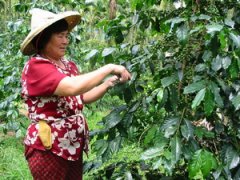
Coffee Tree Anatomy: Flowers, Fruit and Beans in One View
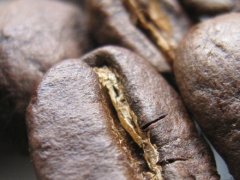
See the full life cycle of coffee—from tree to roasted bean—in one visual guide. Explore coffee flowers, cherries, green and roasted beans up close.
The Three Original Coffee Species Explained
Learn about the three original coffee species — Arabica, Robusta, and Liberica — their characteristics, cultivation, and market presence.
How to Tell If Your Coffee Beans Are Fresh
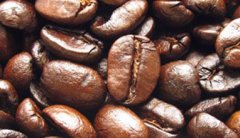
Learn three simple ways—smell, sight, and sound—to test coffee bean freshness and avoid stale, flavorless brews.
How Herbal Coffee Became China's Third Largest Drink
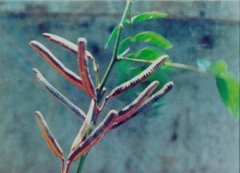
Herbal coffee ranks as China’s third most consumed beverage. Discover what it is, how it compares to traditional coffee, and why it’s gaining popularity.
How to Tell Arabica vs Robusta Coffee Beans Apart
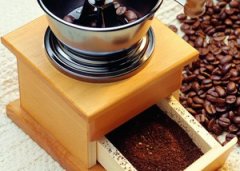
Learn how to distinguish Arabica and Robusta coffee beans by their taste, origin, caffeine content, and physical traits like shape and processing.
Why Are Coffee Bean Names So Long?
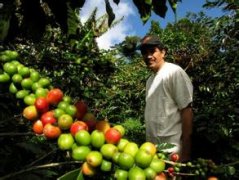
Learn why coffee bean names include origin, roast level, and farm details—and what each part of the name really means.
How Kopi Luwak Coffee Is Actually Made
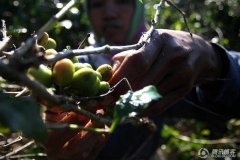
Kopi Luwak is one of the rarest and most expensive coffees, made through a unique animal-assisted fermentation process yielding just 500 pounds per year.

What Makes Hawaiian Kona Coffee So Unique?
Kona coffee’s distinct flavor comes from volcanic soil, hand-picked beans, and unique microclimates. Learn why true 100% Kona is rare and expensive.
How Coffee Beans Were First Discovered and Processed
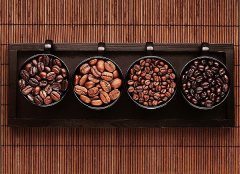
Learn where coffee originated, how beans were discovered, and the traditional methods used to process and roast them for flavor.

What Type of Tree Does Coffee Come From?
Coffee comes from small evergreen trees or shrubs in the Rubiaceae family. Wild trees grow tall, but farm trees are pruned for easier harvest.
How Many Coffee Beans Does One Tree Produce?
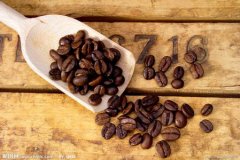
A single coffee tree yields 3–5kg of cherries, producing just 20% as green beans. Learn how arabica, robusta, and processing methods shape your cup.
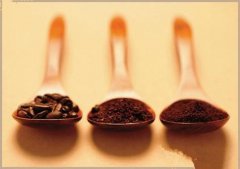
How to Tell Good Coffee Beans from Bad
Learn how to spot high-quality coffee beans by shape, roast style, and flavor. We break down the visual and sensory signs of good vs poor beans.

Main Coffee Bean Origins and Their Premium Characteristics
Explore key coffee-producing regions and the traits of their top-grade beans to guide your next purchase decision.
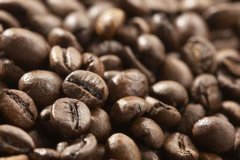
How to Tell if Your Coffee Beans Are Fresh
Learn four reliable ways to check coffee bean freshness: smell, sight, touch, and color. Avoid stale or off-flavored beans with these quick checks.
How to Tell If Your Coffee Beans Are Fresh
Learn four reliable ways to judge coffee bean freshness—by smell, appearance, sound, and roast color—to ensure better flavor in every cup.

Do Coffee Beans Have Genders? Understanding Peaberry Coffee
Peaberry coffee beans occur when a coffee cherry produces a single rounded bean instead of two flat ones. Learn how they form, taste, and why they’re rare.