
Coffee Knowledge
Latest articles, industry insights and brewing guides
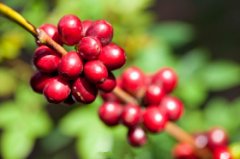
What Do Coffee Cherries Really Look Like?
Most people have only seen roasted beans or green coffee — but what do fresh coffee cherries really look like, and what’s inside?

Colombia’s High-Yield, High-Quality Coffee Beans
Colombia produces large volumes of high-quality Arabica coffee, mainly from Caturra, Colombia, and Typica varieties, grown at 800–2300m in the Andes.
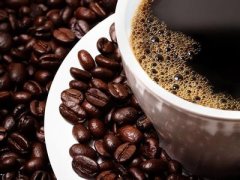
How Colombia Grades Its Coffee Beans by Size
Colombia grades coffee by bean size, not flavor. Supremo means 18+ mesh, but doesn’t guarantee quality. Look for origin details.

How Jamaica Blue Mountain Coffee Is Graded by Size and Defects
Learn how Jamaica Blue Mountain coffee is graded, with strict limits on bean size and defects. Discover what makes No.1 the top tier.
What Is Blended Coffee and Why It Matters
Blended coffee combines beans to balance flavor, ensure consistency, and manage cost. Learn how roasters craft intentional espresso blends.
India’s Monsooned Malabar A Coffee Beans Explained
India’s A-grade Monsooned Malabar coffee is known for its bold, spicy flavor and oceanic notes. Here’s how it’s made and why it tastes so unique.
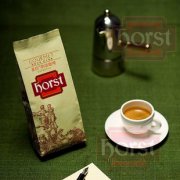
How to Read Coffee Bean Labels Like a Pro
Learn what coffee labels really mean — from single origin vs blend to roast levels and farm details. Decode your next bag with confidence.
What Is Organic Coffee? Specialty Coffee Certification Explained
Learn what makes coffee 'organic'—it’s not just about avoiding chemicals. True organic coffee requires third-party certification after a 3-year transition.
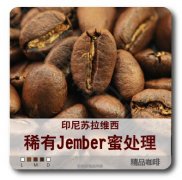
High-Grade Jember Honey Process Coffee from Sulawesi
This elite Jember honey-processed coffee from Sulawesi delivers intense maple, floral, and fruity notes—far beyond typical earthy Toraja profiles.
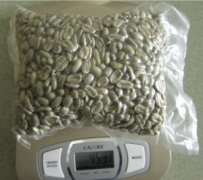
Esmeralda Farm Geisha Coffee: The World's Most Awarded Single Origin
Discover how Panama’s Esmeralda Geisha dominated global cupping rankings from 2004–2007, scoring record-breaking auction prices over $130/lb.

How to Handpick Green Coffee Beans for Even Roasting
Learn how to hand-select green coffee beans to avoid uneven roasting, remove defects, and improve cup quality with clear visual and tactile steps.
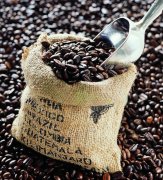
10 Essential Elements of Specialty Coffee Beans
Discover the 10 strict requirements that define high-quality specialty coffee beans, from varietal to moisture control.
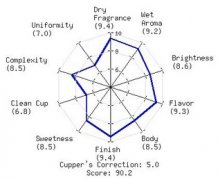
Washed vs Natural Yirgacheffe G2 and G3: What’s the Difference?
A comparison of washed Yirgacheffe G2 and natural G3 Ethiopian coffees, highlighting their flavor profiles, sourcing origins, and cup scores.
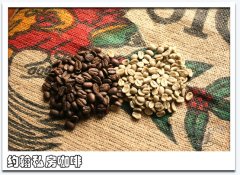
Papua New Guinea Sigri Estate Coffee: The Real Story Behind 'Bird of Paradise'
The 'Bird of Paradise' coffee from PNG isn’t named for the bird — it’s from the Sigri Estate. Here’s what makes this washed single origin special.
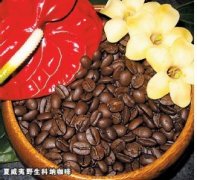
Why Wild Coffee Costs More Than Gold
Learn why rare wild and natural coffees command luxury prices, from Hawaii’s volcanic AA++ beans to Kenya’s high-altitude single origins.
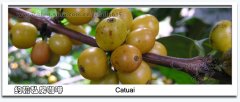
What Is the Catuai Coffee Variety?
Catuai is a hybrid coffee variety bred from Caturra and Mundo Novo, known for its wind and rain resistance, though it’s harder to harvest.
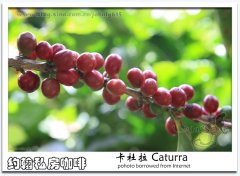
What Is Caturra? Bourbon’s Natural Coffee Variety
Caturra is a natural mutation of Bourbon coffee, smaller in stature but higher yielding. It thrives at high altitudes and produces bright, acidic cups—though less body than Bourbon.
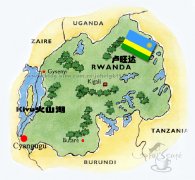
What Makes Rwandan Coffee Special? African Specialty Bean Guide
Rwandan coffee is known for its washed Arabica quality, bright acidity, and complex fruitiness. Learn why this East African bean stands out.
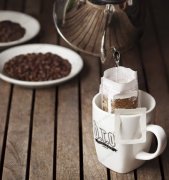
The Hidden World Inside a Single Coffee Bean
Explore how coffee bean species, origin, roast level, and brewing shape flavor. Discover what makes each cup unique.
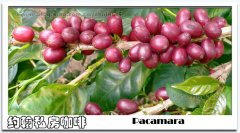
What Is Pacamara Coffee? Flavor & Origins Explained
Pacamara is a large-bean Salvadoran coffee variety known for its complex floral and sweet cup profile when grown at high altitudes.