
Coffee Knowledge
Latest articles, industry insights and brewing guides

Why Do Some Coffee Beans Appear Oily?
Some coffee beans look shiny and oily, others dry. This isn't always about freshness. Here’s what causes the oil and how to choose.
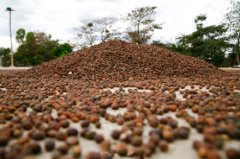
Traditional vs Modern: Coffee Roasting Methods Explained
Most commercial roasters use hot air methods, but traditional Italian oak roasting better develops coffee flavor through Maillard reactions.
How Different Cities Roast Their Coffee Around the World
From Tokyo’s evolving dark roasts to Vienna’s full-city preference, discover how major global cities shape their distinct coffee roast profiles.

How to Choose Fresh, High-Quality Coffee Beans
Learn how to assess freshness, aroma, roast level, and bean integrity when selecting the best coffee beans for your next brew.
How to Choose Fresh, High-Quality Coffee Beans
Learn how to assess freshness, roast level, and purity when selecting coffee beans for the best flavor and aroma.

What Makes Good Coffee Beans? Roast & Quality Explained
Good coffee starts with quality beans: no defects, freshly roasted, ground just before brewing. Here’s how to tell great from bad.
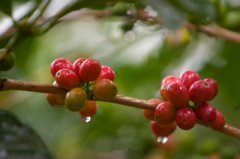
Why Americans Prefer Light Roast Coffee
Americans favor light roast coffee for its bright acidity and fruitiness, while Brits lean toward dark roast. Roast level shapes coffee’s final flavor profile.
Coffee Roast Levels and Stages Explained
Learn how coffee roast levels—from light to dark—affect flavor, aroma, and body, and discover the 8 key roast stages used worldwide.

Coffee Roasting Stages and Their Main Uses Explained
Learn how coffee roast levels—from light to dark—affect flavor, acidity, and body, and which roast suits your favorite brewing style.

How to Roast Green Coffee Beans with a Hand Pan
Learn how to roast 100g of green coffee beans using a handheld mesh pan, with step-by-step instructions for timing, heat control, and cooling.
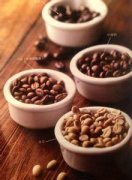
Two Compounds Identified as Key to Coffee Bitterness
Researchers found two compounds—chlorogenic acid lactone and phenylindane—are responsible for coffee’s bitterness, formed during roasting, not in raw beans.

What’s Inside Raw Coffee Beans? Average Chemical Composition
Raw coffee beans contain 12% water, 12% nitrogen compounds, 12% fat, 10% sugars, and 0.1% essential oils. Discover how these components shape flavor.

How to Store Coffee Beans in an Upright Airtight Canister
Learn the best way to store coffee beans using upright airtight containers to preserve freshness and flavor.

The Eight Stages of Coffee Roasting Explained
Learn the eight defined stages of coffee roasting, from light to dark, including temperatures, colors, and flavor profiles used by specialty roasters.
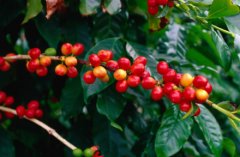
How to Roast Coffee Beans at Home Like a Pro
Learn how home roasting transforms green beans into flavorful coffee, with key insights on color, weight loss, and roast levels.
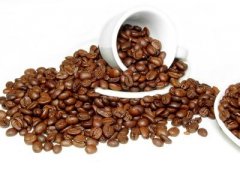
How Roasting Determines Coffee Flavor
Learn how 80% of coffee flavor comes from roasting, and how to get balanced acidity, sweetness and aroma through proper roast techniques.

How Roast Level Affects Coffee Acidity and pH
Learn how coffee roast level and brewing temperature impact acidity, with pH values for light to dark roasts.
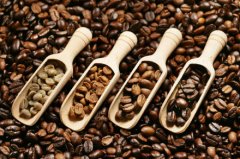
How Coffee Beans Are Roasted: From Farm to Cup
Discover how Ethiopian coffee beans become your cup of coffee, from cherry harvest to the critical roast stage.

How Specialty Coffee Beans Are Roasted: The Basics
Learn the essential steps of specialty coffee roasting—from cleaning to cooling—and how each affects flavor, roast time, and final cup quality.
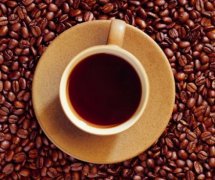
What Makes a High-Quality Roasted Coffee Bean?
Learn the four key criteria for high-quality coffee: clean beans, fresh roast, proper grind, and immediate brewing. Avoid defects for best flavor.