
Coffee Knowledge
Latest articles, industry insights and brewing guides
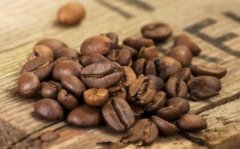
Why Coffee Beans Must Be Roasted
Roasting transforms raw coffee beans from earthy and grassy to aromatic and flavorful. Discover how heat unlocks coffee’s true potential.

Coffee Roast Levels Explained: From Light to French
Learn the 8 standard coffee roast levels—from light to French—and how each affects flavor, acidity, and body. Essential for roasters and home baristas.

How to Store Coffee Beans to Preserve Freshness
Learn how long coffee beans stay fresh after roasting, the best storage methods, and why fridge storage harms flavor.

Home Coffee Roasting: Pros and Cons of Pan-Frying Green Beans
Want to try home coffee roasting without buying equipment? You can pan-roast green beans on a stove with just basic kitchen tools—here’s how.
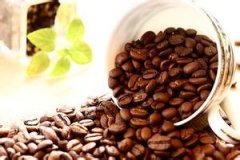
How to Roast Coffee Beans at Home with a Frying Pan
You can roast green coffee beans at home using just a frying pan, thermometer, and metal colander. Here’s a 10-step method for pan-roasting 9–12 oz of beans.
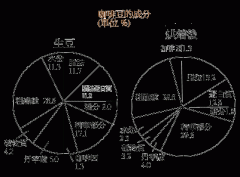
How Coffee Bean Roasting Affects Nutritional Content
Roasting drastically alters coffee’s nutrients. Learn which vitamins, antioxidants, and compounds increase or degrade during the roast process.

How to Tell If Your Coffee Beans Are Fresh
Find out if your coffee beans are fresh in 3 easy steps: smell, look, and break them. Learn how to buy and store them right too.
How to Roast Coffee Beans at Home Using a Frying Pan
You can roast fresh coffee beans at home using just a regular stove and frying pan. Here’s how to do it step-by-step for City to Full-City roast levels.
How to Roast Coffee Beans at Home Using a Frying Pan
Learn how to roast green coffee beans at home using a regular kitchen frying pan, with step-by-step instructions for light to medium roasts.

How to Tell If Your Coffee Beans Are Fresh
Learn how to assess coffee bean freshness by smell, appearance, and sound, plus insights on roast level and bean size.

How to Store Coffee Beans Using CO₂ Buoyancy
Learn how to preserve fresh coffee beans by leveraging carbon dioxide’s natural buoyancy and avoiding common storage mistakes.
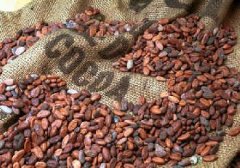
Coffee Bean Packaging Types Explained: Airtight, Valve, and Beyond
Find out how long coffee stays fresh in different types of packaging—from basic non-airtight bags to premium pressurized containers—and which works best for your needs.

How Coffee Beans Are Roasted and Blended for Specialty Quality
Learn how roasting profiles and blending techniques shape the flavor of specialty coffee, from light to dark roast and multi-origin blends.

What Happens During Coffee Roasting? The 3 Key Stages
Coffee roasting is a high-temperature transformation divided into three phases: drying, first and second crack, and rapid cooling. Learn how heat creates flavor.

Understanding Coffee Roasting: The Basics of Roast Development
Learn how coffee roasting transforms green beans into aromatic brown ones, and why roast level shapes 80% of your cup’s flavor.
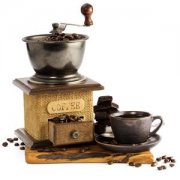
The Three-Stage Coffee Roasting Journey at Home
Discover how one home roaster in Kunming progressed through three stages of coffee roasting, refining technique and equipment to improve flavor and freshness.
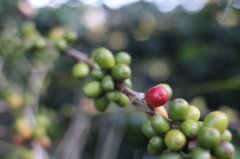
Why Is My Coffee So Sour?
Sour coffee isn’t always bad — it’s often due to roast level or brewing temp. Here’s what really causes acidity in coffee.
How to Store Coffee Beans: Best Freezer Method Explained
To keep roasted coffee fresh longer, store whole beans in an airtight container in the freezer. For pre-ground coffee, freeze in sealed jars to preserve aroma for up to a month.
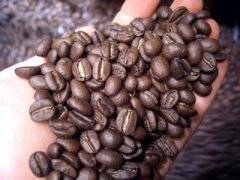
Freshness and Best Flavor in Home-Roasted Coffee Beans
Coffee beans taste best right after roasting—flavor peaks on day one and fades quickly. Learn why freshness matters and how home roasting preserves it.
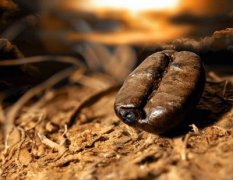
How Coffee Beans Are Roasted: A Step-by-Step Visual Guide
See how green coffee beans transform through first and second crack during a 20-minute roast, reaching 100–200°C in a home drum roaster.