
Coffee Knowledge
Latest articles, industry insights and brewing guides

Natural Process Coffee: How Sun-Dried Beans Are Made
Sun-drying, or natural processing, is a traditional coffee method where ripe beans dry in the sun for 2–4 weeks before hulling. Find out how it works.
How Washed Coffee Processing Works
Washed coffee is the most common specialty method. Learn how fermentation, water, and strict sorting create clean, bright beans.
How Brazil's Semi-Washed Process Improves Coffee Quality
Brazil developed the semi-washed (pulped natural) process to fix inconsistent cup quality. Here’s how it works and why it delivers cleaner, sweeter results.
Salvadoran Coffee Processed with Natural Hot Spring Water
Salvadoran coffee producers use 32–34°C mineral-rich hot spring water to process Pacamara beans, enhancing sweetness and quality.
Why Jamaica Blue Mountain Coffee Is So Special
Explore the rare natural conditions and strict quality controls that make Jamaica Blue Mountain coffee one of the world’s most exclusive beans.

How Natural Process Coffee Gets Its Full-Body Sweetness
Natural process coffee develops deeper sweetness and body through sun drying. Here’s how it works and why it tastes different.
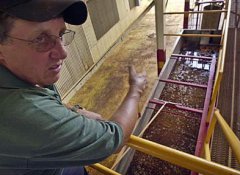
Washed Coffee Process: How It Works and Why It Matters
Learn how the washed coffee process creates bright, clean flavors through fermentation, washing, and drying steps — with key times, ratios, and effects.

How to Use a Vibrating Screen for Coffee Beans and Peanuts
Yes, vibrating screens can separate coffee beans and peanuts. Learn how to choose mesh size, screen type, and machinery for effective sorting.

How Specialty Coffee Beans Are Processed: From Harvest to Roast
Learn how coffee beans are processed through pulping, fermentation, drying, and roasting — steps that define their flavor and quality.

How to Handpick Coffee Beans and Spot Defects
Learn why uniform bean size matters in roasting, how to hand-select green coffee, and identify 9 common defects that ruin flavor.
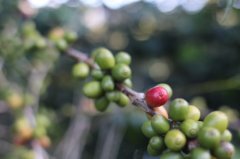
How to Tell If Your Green Coffee Beans Are Fresh
Learn how to assess green coffee freshness by color, moisture, smell, and bean type—key tips every specialty coffee roaster or home buyer should know.

What Is Arabica Coffee? The Origins and Traits of Coffee Arabica
Arabica coffee, one of the three original coffee species, originates from Ethiopia and thrives at high altitudes, known for superior cup quality.
How to Make Café Brûlot: French-American Spiced Coffee Cocktail
A classic French-American spiced coffee drink with brandy, citrus, and spices. Here’s the full recipe and origin story behind Café Brûlot.
What Is Unwashed Coffee and How Does It Taste?
Unwashed coffee, also called natural or dry-processed coffee, is sun-dried with the fruit on the bean. Its flavor varies widely and quality is less predictable.
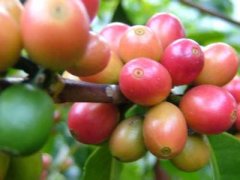
What Are Unripe Coffee Beans and How to Spot Them
Unripe coffee beans taste grassy and unpleasant. Learn how to identify them and why drying green beans helps prevent this common defect.
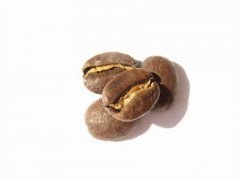
What Is Coffee Cupping and How Does It Work?
Learn how professional coffee tasters evaluate coffee quality through standardized cupping — including grind, water temp, scoring, and sample steps.
Understanding Espresso Brew Ratio in Specialty Coffee
Learn the standard espresso brew ratio, why it matters, and how it shapes flavor in modern specialty coffee. Essential reading for baristas and home brewers.

What Is Lungo Coffee? Lungo vs Espresso Explained
Lungo is a long-extracted espresso made with more water, not just a diluted shot. Here’s how it differs from espresso and Long Black.

What to Prepare and How to Cup Coffee Like a Pro
Learn how to taste coffee professionally with just 8 steps. Discover what tools and traits to assess, and how to evaluate your brew.

How to Tell If Your Coffee Beans Are Fresh
Learn how to assess coffee bean freshness by smell, sound, color, shape, and taste. Spot stale or defective beans before brewing.