
Coffee Knowledge
Latest articles, industry insights and brewing guides
How Coffee Roasting and Blending Create Great Flavor
Learn how roast level and bean blending shape coffee flavor, from light to dark roast profiles and expert multi-origin combinations.
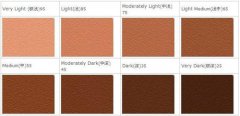
How to Identify Coffee Roast Levels by Color and Time
Learn how SCAA Agtron charts and crack timing define roast levels from light to French, with key temperatures and flavor impacts.
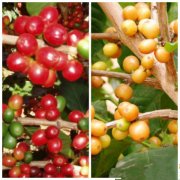
Main Coffee Bean Varieties and Their Flavor Profiles
Explore the key coffee bean origins—Jamaica Blue Mountain, Colombia, Brazil, Mandheling, and more—with detailed flavor notes and roast traits.
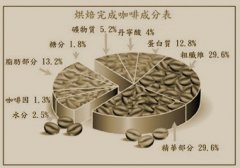
What’s Really Inside Roasted Coffee? The Full Chemical Breakdown
Explore the full chemical makeup of roasted coffee: caffeine, tannins, fats, sugars, minerals, and more—how each affects flavor and body.
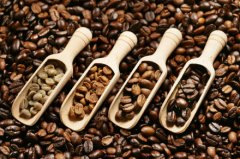
What Is Cinnamon Roast in Coffee? The Lightest Level Explained
Cinnamon roast is the lightest commercial coffee roast level, with no surface oils and bright, fleeting flavors. It's rarely sold alone but still influences blends.
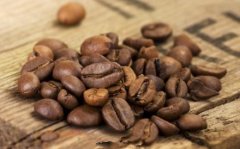
How to Store Coffee Beans: Keep Them in Sealed Bags
To preserve freshness, store roasted coffee beans in sealed bags inside the fridge’s cooling compartment. Avoid the fridge door and keep them airtight.

How Coffee Roasting Works: A Technical Breakdown
Learn how roast levels affect coffee flavor, from light to dark, and how to spot quality beans before brewing.

How to Buy and Store Fresh Coffee Beans
Learn where to buy fresh-roasted coffee beans, how to choose the right roast, and how long coffee beans and grounds last when stored properly.

Why Coffee Tastes Bitter: The Processing Truth
Coffee bitterness comes from two compounds formed during roasting—chlorogenic acid lactone and phenylindane. Light roasts have milder bitterness.
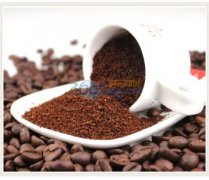
How Long to Roast Mandheling Coffee Beans
Roasting Mandheling can be tricky due to its high moisture and dark color. Here’s how long it takes and what to watch for.

Coffee Roasting Methods and Core Principles
Learn how roasting transforms green coffee beans, why evenness matters, and how roast level defines 80% of your cup’s flavor.
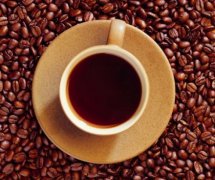
How Roast Levels Shape Coffee Flavor — 8 Stages Explained
Coffee flavor is 80% determined by roast level. Learn how 8 distinct roast stages—from light to Italian—affect aroma, acidity, and body.

Where and How to Store Coffee Beans for Freshness
Keep your coffee fresh longer—learn where to store beans, whether freezing works, and how packaging affects shelf life.

How Coffee Roasting Works: The 8 Key Levels Explained
Roasting determines 80% of coffee’s flavor. Learn how heat transforms green beans into light, medium, and dark roasts with distinct profiles.

How to Choose the Right Espresso Roast Level
Learn how roast level affects espresso flavor, from light to dark, and how to pick the best roast for your café or home setup.
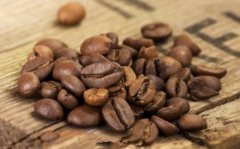
Key Issues to Watch During Coffee Roasting
Avoid common roasting mistakes like uneven heat, over-roasting, and poor timing. Learn how to control temperature and airflow for better results.

How Coffee Roast Levels Affect Flavor
Learn how light, medium, and dark roasts change coffee’s taste, acidity, and aroma — and how to choose the right roast for your cup.

Hand Pan Roasting Coffee: The Low-Cost Beginner Method
Hand pan roasting offers low-cost, freshly roasted coffee with full control over heat and color—but requires practice for even results.

How Roast Levels Shape Coffee Flavor Around the World
Roasting determines 80% of coffee flavor. Discover how global cities prefer light, medium, or dark roasts—and why.

Why Roast Your Own Coffee? Freshness, Savings & More
Roasting your own beans saves money, extends freshness, and lets you custom-roast for unique flavors. Here’s how home roasting pays off.