
Coffee Knowledge
Latest articles, industry insights and brewing guides
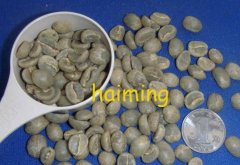
Guatemala Antigua La Flor Coffee Roast Profile
A Guatemalan Bourbon-led coffee with floral aroma, citrus acidity, and smooth sweetness. Roasted to highlight its delicate profile with a 1-minute post-first-crack development.
How to Roast 20 Coffee Bean Types at Home
Home roasting 20 coffee bean varieties? Set a max temp, control roast time, and avoid gas vs electric myths. Here’s the practical approach.
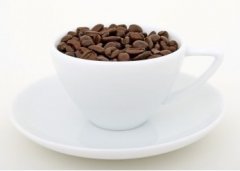
3 Key Tips for Beginner Home Coffee Roasters
Three essential steps every beginner home roaster should follow to roast better coffee: define your goals, match your gear, and start with quality green beans.

What Makes a Good Cup of Coffee? 3 Key Factors
A great cup of coffee depends on three essentials: bean quality, roast quality, and brewing skill. Master all three to consistently brew better.
How to Tell If Your Coffee Beans Are Fresh
Learn how to check coffee bean freshness by smell, appearance, sound, and color — plus key tips on grinding for the best brew.
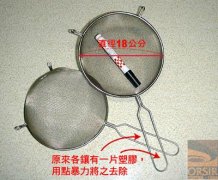
Beginner Coffee Roasting: Try Ladle-Net Roasting
A low-cost, easy-entry way to roast coffee at home. Learn how to make and use a DIY ladle-net roaster for 10–15 minute roasts.

Spiral Blade Coffee Grinders: Pros, Cons & How They Compare
Spiral blade grinders are cheap and compact but uneven and overheating. Learn why pros avoid them, and what to use instead.
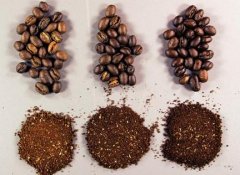
The 4 Key Principles of Coffee Grinding
Learn why grind size, heat, uniformity, and freshness matter—plus how to choose the right grinder for your brewing method.
How to Roast Coffee Beans at Home: A Step-by-Step Guide
Learn how to roast your own coffee beans at home using an oven or popcorn popper, with key temperatures, timings, and cooling tips.
How Global Cities Roast Coffee Differently
Explore how Tokyo, Vienna, NYC and other global cities favor different roast levels—and why some beans shine or fade under dark roasts.

The 3 Stages of Coffee Roasting and Their Flavor Effects
Learn the three key stages of coffee roasting—drying, first crack, and cooling—and how they shape flavor, acidity, and roast profiles.
The Principles Behind Coffee Roasting Explained
Learn how coffee roasting transforms green beans through heat, chemistry, and timing — and why roast level shapes your cup’s flavor.

Blend First or Roast First? The Specialty Coffee Approach
Discover whether blending coffee beans before or after roasting yields better results, based on blend goals, bean types, and roast flexibility.
Why and How Coffee Blends Are Made
Explore why coffee blends exist beyond cost-cutting, how roasters craft unique flavor profiles, and what makes a great blend more than the sum of its parts.
What Happens Chemically During Coffee Roasting
Learn how coffee flavor develops through roasting—acidic in light roasts, sweet and bitter in dark—with key temperature milestones.

How Hand Roasting Affects Coffee Flavor
Learn how to manually roast 100g of green coffee with a sieve and control roast level to craft your preferred flavor profile.
Gas, Charcoal, and Infrared Coffee Roasting Methods Explained
Learn how gas, charcoal, and infrared heat sources affect coffee roasting temperatures, techniques, and bean development in specialty production.
8 Roast Levels of Coffee Beans Explained
Learn the 8 coffee roast levels—from light cinnamon to dark French—and how roast depth affects flavor, acidity, and body.

How Coffee Roast Levels Shape Flavor
Coffee flavor is 80% determined by roast level. Learn how light, medium, and dark roasts develop acidity, sweetness, and bitterness.
Global Coffee Roast Preferences by Country
Find out how Tokyo, Vienna, NYC, and other cities lean toward light, medium, or dark roasts—and why some beans lose flavor when over-roasted.