
Coffee Knowledge
Latest articles, industry insights and brewing guides

Coffee Roasting Basics: Dehydration, Ramp, Smoke, and Drying
Master the key stages of coffee roasting: when to start dehydration, how fast to ramp, managing smoke, and using the drying slide.

Coffee Roast Levels Explained: From Light to French
Understand how coffee roasting levels affect flavor. Learn the characteristics of light, medium, dark, and French roasts and what makes each unique.

How FrontStreet Roasts the Ninety-Plus Ethiopia Tchembe Natural
Find out how FrontStreet Coffee approaches roasting the high-scoring Ninety-Plus Ethiopia Tchembe Natural for balanced fruit and clarity.

How to Roast Colombia HEIGHT PREMIUM ESMERALDA Green Beans
Learn how FrontStreet Coffee roasted Colombia HEIGHT PREMIUM ESMERALDA in 2011, why the batch had uneven bean size, and how flavor improved over days.

The Three Coffee Roast Levels: Cinnamon, City, and French
Learn how coffee roast levels—from cinnamon to French—affect flavor, acidity, and bitterness, and which roast suits your taste.
Why Dark Roast Coffee Has More Caffeine Than Light Roast
Dark roast coffee often contains more caffeine per cup—not less—due to roast weight loss and brew ratios. Here’s the science behind it.

Does Oily Coffee Mean It’s Fresh? Roast Level Matters
Fresh light roasts should be dry; dark roasts develop oil. Oils on the surface signal roast age, not just freshness. Here’s what really matters.
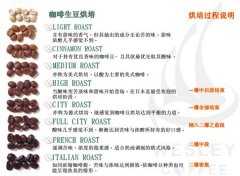
Deep vs Light Roast Coffee: What’s the Difference?
Learn how roast level affects flavor, body, and acidity — and why some coffees taste sweet and bold while others shine with bright fruit notes.

Coffee Roast Types, Methods & Degrees Explained
Learn how coffee is roasted—types of roasters, key stages, and global roast degree classifications explained with exact temps and profiles.
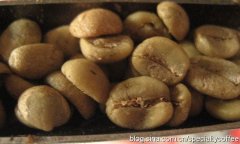
What Happens During Coffee Roasting After Harvest
Learn how raw green coffee beans become drinkable through roasting—every physical and chemical change that builds flavor.
The Acids in Roasted Coffee Explained
Discover which acids remain in roasted coffee and how roasting levels affect acidity, from bright malic to sharp quinic.

Understanding Specialty Coffee Roast Levels
A clear guide to coffee roast stages—from light to dark—detailing their flavor profiles, roast timing, and appearance.
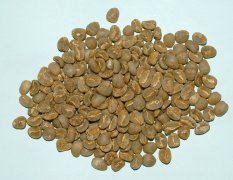
Roasting Indonesian Sumatra 19-Mesh Mandheling Coffee
Learn how FrontStreet Coffee roasts 19-mesh Sumatra Mandheling beans to a deep profile with herbal, sweet-acidic brightness and bold body.

Roasting Peaberry Coffee from Congo’s Kivu Lake Region
Learn why peaberry coffee from Congo’s Kivu Lake region showed defects and off-flavors after roast, and how to improve results.
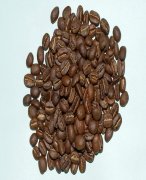
How to Roast Rwanda GATARE Washed Coffee Beans
A roaster’s guide to handling high-altitude Rwanda GATARE Washed Station beans, roasted just before second crack for balanced sweetness and acidity.
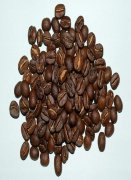
How to Roast Tanzania Ruvuma AAA Coffee Beans
Roasting Tanzania Ruvuma AAA to second crack brings out sweet, fruity flavors. FrontStreet finds optimal results stopping just into the start of second crack.

How to Roast Rwanda GATARE Washing Station Coffee Beans
Learn how to roast Rwanda GATARE Washing Station beans, including key details like defect rate, roast timing, and recommended roast development window.
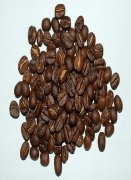
Tanzania Ruvuma AAA Roast Profile & Flavor Notes
FrontStreet Coffee roasted Tanzania Ruvuma AAA to second crack onset, producing a bright, sweet cup with strong fruity notes and a clean washed profile.

How Island and African Coffee Roasts Shape Flavor
Discover how medium and medium-dark roasts define the profiles of Jamaica Blue Mountain, Yemen Mocha Mattari, and Ethiopian Yirgacheffe coffees.

How to Control Coffee Roast Levels Effectively
Learn how to adjust coffee roast levels through timing, sensory cues, and electronic tools—methods tailored for home and pro roasters alike.